Product Description
Product Description
| Model number | CF2806CT | |
| Materials | Aluminum,rattan | |
| Size | 60*45cm | |
| Color | Optional | |
| Warranty | 2~5 years | |
| Application | Outdoor, Hotel, Garden, Patio, etc | |
Materials:
1.Frame:High quality aluminum frame with powder-coated to prevent rust
2.Rattan/Rope:Durable and UV resistant, optional color
3.Cushion:100% polyester, water-resistant cushion and pillows
Features:
1: Excellent pure hand weaving technique with popular style.
2: Green product, UV-resistant, weatherproof and colorfast.
3: With long performance life, very durable and practical.
4: Perfect for casual dining and entertaining indoor or outside.
5: High quality with competitive price and timely delivery.
RATTAN – FABRIC – ROPE SAMPLE
Material: Rattan / Wicker
1. 100% all brand new PE rattan / wicker
2. style: flat wicker / half round wicker / round wicker / rope
3. 99% looks like real wicker, price cheaper than real wicker, and PE wicker is more durable!
4. UV-resistant, waterproof and color lasting, for all season use.
Weaving Pattern:
There are different weaving method, such as cow eyes weaving, square weaving, 4 in 1 weaving, etc
100% all weaving by hand!
Therefore, many of our weaving master were in our factory for over 10 years, they grow with us together and are of experienced!
So you don’t need to worry about our weaving, we are confident with it!
Our Service
Select items: welcome to our store and select the items you interested. Or let us know what you had, we can custom make it.
Inquiry to us:
email us your request, we will offer you in 24 hours.
Negotiation:
Prices, payment way, delivery time, shipping, etc… we will CHINAMFG a contract.
Pay deposit:
buyer arrange down payment.we will arrange production at soonest.
Production complete:
we will inform you before 1 week time of production complete.
Take photos:
we will take photos and send to you for reference 2 days before shipping.
Balance:
please arrange the balance payment once confirmed.we’ll arrange shipment as planed.
Send documents:
we will send you CHINAMFG B/L and custom documents (packing list, commercial invoice, AQIS etc) by express. Or Telex Released B/L.
Satisfy & repeat orders:
We thank you for your great support, and look CHINAMFG to building long-term cooperation with you.
Packaging & Shipping
Certifications
Why choose us?
1. 15 years + experience
2. Use high quality raw material from home and overseas
3. Fast response
4. Low Moq, immediate delivery
Customer Feedback
Project
Company Profile
HangZhou Xihu (West Lake) Dis. CHINAMFG Furniture Co., LTD is located in Xihu (West Lake) Dis. District, HangZhou City. We spelized in manufacturing outdoor rattan furniture, such as outdoor rattan gardden sofas, outdoor rattan table and chairs, out door rattan chaise loungers, outdoor flower pots, cushion box, and many kinds of customized products for 15 years.
With good quality control system and reasonable management,now we are a factory with a 10000 square meter workshop, and 800 square
meter sample showroom, and 100 experience workers.Our month supply ability reach 30 containers,year sales amount more than 10
million US dollar.300 more regular customers all over the world.
For our product, we offer middle&high modern and classic outdoor furniture. Two years warranty could give our clients more confidence,quick delivery time,competitive price and good quality give our client more convenient.
Customers are our friends and business partners. We arm at helping our customer to win more market ,Our
mission is”customer win, we win”,We are pleased to grow up with you together.
Warmly welcome you to come and visit our factory!
|
Factory Size |
10,000 sqm |
Factory Location |
Xihu (West Lake) Dis., HangZhou City |
|
R&D staff |
21 – 30 people |
QC staff |
6 – 10 people |
|
CHINAMFG |
OEM service offered design service offered buyer label offered |
Main Market |
North America,South America,Eastern |
|
Export Percentage |
85% – 95% |
Total Annual Sales Volume |
USD 3 Million to USD 5 Million |
Showroom
Exhibition
FAQ
1. What is your MOQ?
MOQ is 1*20 GP container
1*20GP container with no more than 3 items
1*40HQ container with no more than 5 items.
2. Do you aceept sample order?
We accept sample order.However customer has to pay for the product cost and shipping cost.
3. Can I customize outdoor furniture from you?
Yes, can change the Dimension according to your needs.
4. Do you have own factory?
Yes, we are manufacturer with own factory and moulds and production lines, engaged in outdoor furniture for more than 11 years.
5. How about your Lead time?
Our production process needs 15-35 days depend on the product’s design and when will you place the order.
6. What about the payment term?
a.More than USD1700, 30%deposit T/T paid before production,the balance paid paid before delivery
b.Less than USD1700,100% deposit paid before production.
/* March 10, 2571 17:59:20 */!function(){function s(e,r){var a,o={};try{e&&e.split(“,”).forEach(function(e,t){e&&(a=e.match(/(.*?):(.*)$/))&&1
| Style: | Modern |
|---|---|
| Material: | Rattan / Wicker |
| Wood Style: | No |
| Folded: | Unfolded |
| Customized: | Customized |
| Condition: | New |
| Customization: |
Available
|
|
|---|
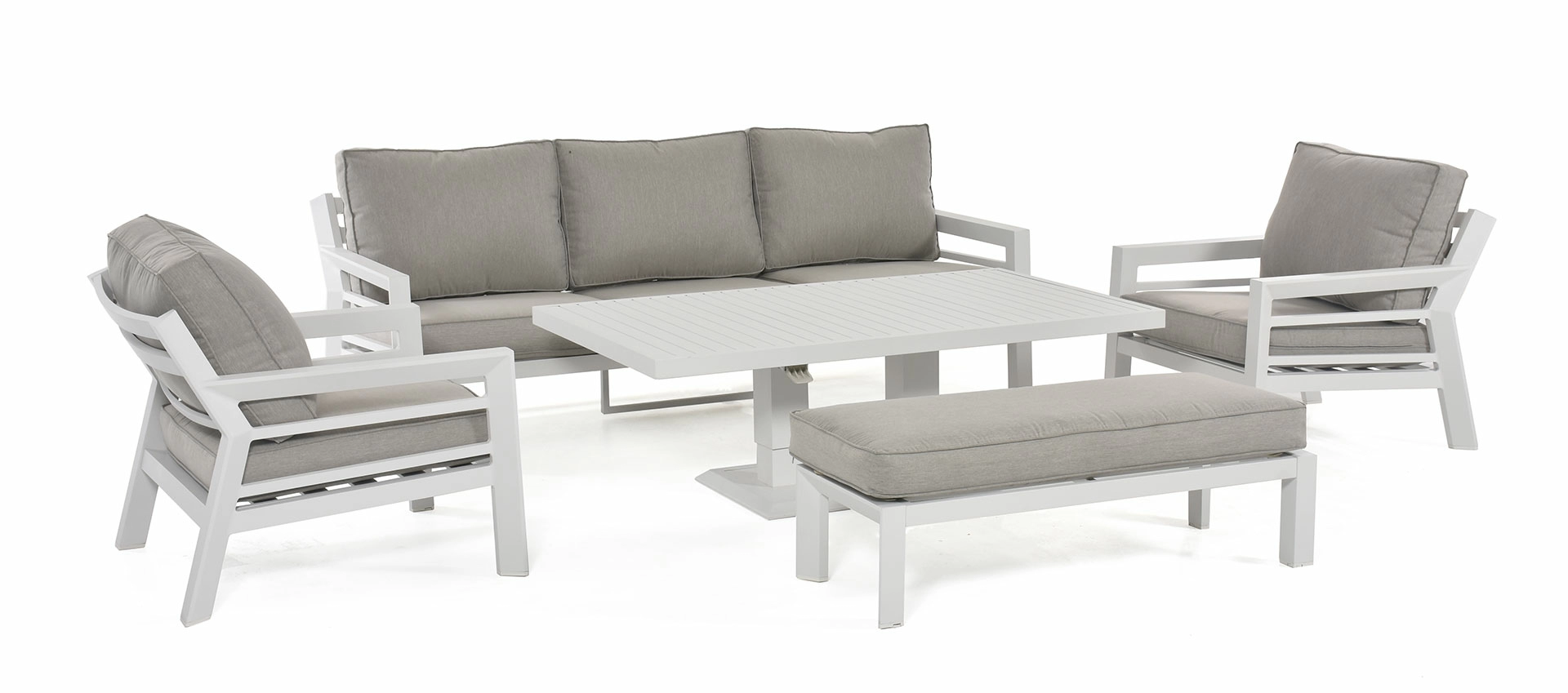
Are there eco-friendly or sustainable options for aluminum table production?
Yes, there are eco-friendly and sustainable options for aluminum table production. Here is a detailed explanation:
1. Recycled Aluminum: One of the most sustainable options for aluminum table production is using recycled aluminum. Recycled aluminum is obtained from post-consumer or post-industrial sources and can be melted down and reprocessed to create new aluminum products, including tables. Using recycled aluminum reduces the need for extracting and refining raw materials, conserves energy, and helps minimize waste. Additionally, recycled aluminum maintains the same quality and properties as virgin aluminum, making it a viable and environmentally friendly option for table production.
2. Energy-Efficient Manufacturing: Another aspect of eco-friendly aluminum table production is employing energy-efficient manufacturing processes. Aluminum manufacturers can implement energy-saving technologies, such as using renewable energy sources or optimizing production lines to reduce energy consumption. By minimizing energy use during the manufacturing process, the carbon footprint associated with aluminum table production can be significantly reduced, contributing to overall sustainability efforts.
3. Low Emissions: Sustainable aluminum table production also involves minimizing greenhouse gas emissions. Aluminum manufacturers can adopt practices that reduce or eliminate the release of harmful emissions into the atmosphere. This can be achieved through the use of advanced filtration systems, the proper treatment of waste gases, and the implementation of emission control technologies. By focusing on reducing emissions, the environmental impact of aluminum table production can be mitigated.
4. Water Conservation: Conserving water is another important aspect of eco-friendly aluminum table production. Manufacturers can implement water recycling and reuse systems, as well as employ water-efficient processes to minimize water consumption during production. Additionally, responsible wastewater management practices can be implemented to ensure that any water discharged from the manufacturing process is properly treated to minimize environmental impact.
5. Life Cycle Assessment: Conducting a life cycle assessment (LCA) is a valuable tool for evaluating the environmental impact of aluminum table production. An LCA considers the entire life cycle of a product, from raw material extraction to manufacturing, use, and end-of-life disposal or recycling. By analyzing the various stages of production and identifying areas for improvement, manufacturers can make informed decisions to minimize the environmental footprint of aluminum tables throughout their life cycle.
6. Certifications and Standards: Various certifications and standards exist to recognize and promote sustainable practices in aluminum production. For example, the Aluminum Stewardship Initiative (ASI) provides a certification program that ensures responsible production, sourcing, and stewardship of aluminum. By choosing aluminum tables from manufacturers with recognized certifications or adherence to sustainable standards, consumers can support environmentally conscious production practices.
7. End-of-Life Recycling: Considering the end-of-life phase is crucial for sustainable aluminum table production. Aluminum is highly recyclable, and at the end of their life cycle, aluminum tables can be recycled to produce new aluminum products. Recycling aluminum requires significantly less energy compared to primary production, resulting in reduced energy consumption and greenhouse gas emissions. Encouraging proper recycling and creating infrastructure to facilitate the recycling of aluminum tables promotes a closed-loop system and minimizes waste.
By incorporating these eco-friendly and sustainable practices, aluminum table production can align with environmental goals and contribute to a more sustainable future. Consumers can support these efforts by choosing aluminum tables that are produced using recycled aluminum, manufactured with energy-efficient processes, and certified by recognized sustainability standards.
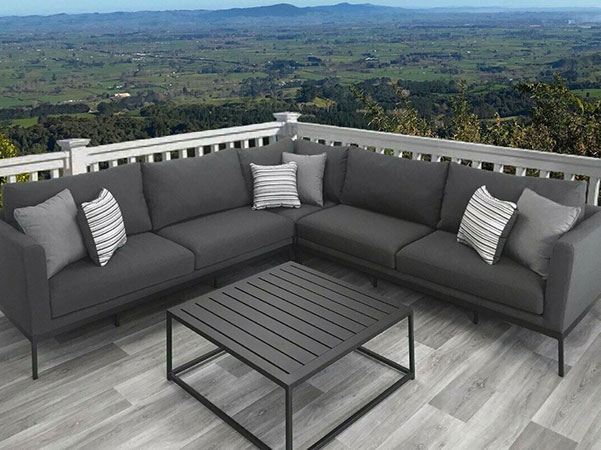
Can aluminum tables be paired with specific chairs or seating options?
Yes, aluminum tables can be paired with specific chairs or seating options to create a cohesive and visually appealing outdoor dining or seating area. Here is a detailed explanation:
1. Aluminum Chairs: One of the most common and complementary options for pairing with aluminum tables is aluminum chairs. Aluminum chairs are designed to match the style and aesthetics of aluminum tables, creating a cohesive look in outdoor spaces. They often feature similar design elements, such as aluminum frames or powder-coated finishes, which help to maintain a consistent visual theme. Pairing aluminum tables with aluminum chairs ensures a harmonious and coordinated appearance, enhancing the overall ambiance of the outdoor area.
2. Mixed Materials: Aluminum tables can also be paired with chairs or seating options made from different materials to create an eclectic or contrasting design. For example, pairing aluminum tables with chairs made from wood, wicker, or rattan can create an interesting mix of materials and textures. This combination can add visual interest and create a unique and personalized outdoor space. When opting for mixed materials, it is important to consider the overall design scheme and ensure that the different elements harmonize with each other.
3. Cushioned Seating: To enhance comfort and add a touch of luxury to an outdoor dining area, aluminum tables can be paired with cushioned seating options. This can include chairs with padded seats and backs or outdoor cushions that can be added to the seating. Cushioned seating provides added support and comfort for extended periods of sitting, making it ideal for leisurely outdoor dining or relaxation. When selecting cushioned seating, it is important to choose materials that are weather-resistant and designed for outdoor use.
4. Bench Seating: Another option for pairing with aluminum tables is bench seating. Benches offer a versatile and space-efficient seating solution, especially for larger tables or communal dining areas. Aluminum tables can be accompanied by aluminum benches to maintain a consistent style, or they can be paired with benches made from other materials, such as wood or composite materials. Bench seating encourages social interaction and can create a casual and inviting atmosphere in outdoor settings.
5. Lounge Seating: For outdoor lounges or casual seating areas, aluminum tables can be paired with lounge chairs, outdoor sofas, or sectional seating. This combination provides a comfortable and relaxed seating arrangement, perfect for enjoying conversations, drinks, or casual meals. Lounge seating options can be chosen to match the design style of the aluminum tables or to create a contrasting aesthetic for added visual interest.
6. Bar Stools and Counter Height Chairs: In settings such as outdoor bars or bistro areas, aluminum tables can be paired with bar stools or counter height chairs. These taller seating options create a casual and social atmosphere and are designed to be used with tables at a higher height. Bar stools and counter height chairs made from aluminum or other materials can be selected to complement the design of the aluminum tables and create a cohesive look in these specific settings.
When pairing chairs or seating options with aluminum tables, it is important to consider factors such as comfort, durability, style, and the intended use of the outdoor space. By selecting seating options that complement the design of the aluminum tables and meet the specific requirements of the outdoor area, you can create a cohesive and inviting environment that enhances the overall dining or seating experience.
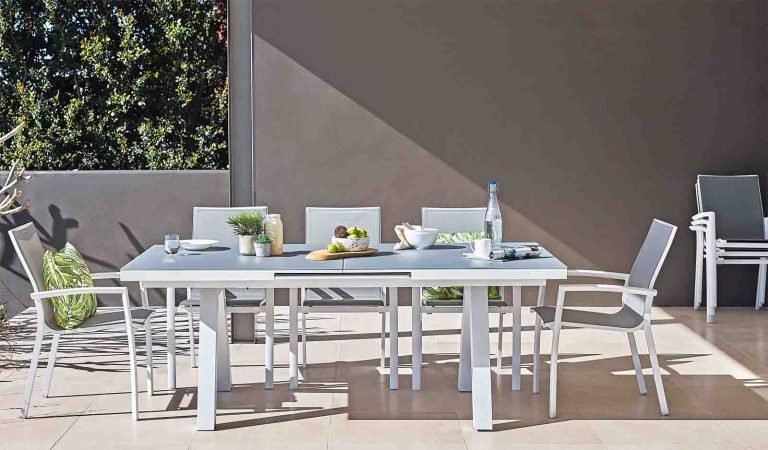
What are the benefits of choosing aluminum tables for outdoor dining?
Choosing aluminum tables for outdoor dining offers several benefits. Here is a detailed explanation of these advantages:
1. Durability: Aluminum tables are highly durable and can withstand outdoor elements. Aluminum is resistant to rust, corrosion, and fading, making it an excellent choice for outdoor furniture, including dining tables. It can withstand exposure to sunlight, rain, and temperature variations without deteriorating, ensuring long-lasting performance.
2. Lightweight: Aluminum is a lightweight material, making it easy to move and rearrange your outdoor dining area. This is particularly beneficial if you plan to rearrange your outdoor space frequently or if you need to store the furniture during certain seasons. The lightweight nature of aluminum tables allows for easy transportation and maneuverability.
3. Weather Resistance: Aluminum is highly resistant to weather conditions, making it ideal for outdoor dining tables. It does not warp, crack, or swell when exposed to moisture, making it suitable for areas with high humidity or frequent rain. Aluminum tables can withstand extreme temperatures without losing their structural integrity, ensuring they remain in excellent condition throughout the year.
4. Low Maintenance: Aluminum tables require minimal maintenance compared to other materials. They do not require regular sealing or staining like wooden tables. Cleaning aluminum tables is a simple task that can be done with mild soap and water. The non-porous surface of aluminum prevents the buildup of dirt, stains, or mold, making it easy to keep the tables clean and looking their best.
5. Variety of Designs: Aluminum tables come in a wide range of designs, styles, and finishes, allowing you to choose one that suits your outdoor dining aesthetic. Whether you prefer a modern, contemporary, or traditional look, there are aluminum tables available to complement your outdoor space. The versatility of aluminum as a material allows for creative and intricate designs, providing options for different design preferences.
6. Stability and Sturdiness: Aluminum tables are known for their stability and sturdiness. They have a solid construction that can withstand the weight of dishes, food, and drinks without wobbling or tipping over. Aluminum tables provide a reliable surface for outdoor dining, ensuring a comfortable and secure dining experience for you and your guests.
7. Safe and Hygienic: Aluminum is a safe and hygienic material for outdoor dining tables. It is non-toxic and does not release any harmful substances. Aluminum tables are easy to clean and maintain proper hygiene standards, making them suitable for food preparation and dining. Additionally, aluminum is resistant to pests and insects, providing an added advantage for outdoor dining areas.
8. Cost-Effective: Aluminum tables are often more cost-effective compared to other materials commonly used for outdoor dining tables, such as wood or wrought iron. They offer durability and longevity at a more affordable price point. Choosing aluminum tables can be a cost-effective option without compromising on quality and functionality.
In summary, choosing aluminum tables for outdoor dining provides the benefits of durability, lightweight design, weather resistance, low maintenance, a variety of designs, stability and sturdiness, safety and hygiene, and cost-effectiveness. These advantages make aluminum tables an excellent choice for creating a functional and visually appealing outdoor dining area.
editor by CX 2024-01-24
China Custom Outdoor Picnic Folding Roll Top Table Wood CHINAMFG Camping Portable Table with Great quality
Product Description
Product Description
|
Product Type: |
Outdoor Picnic Folding Roll Top Table Wood CHINAMFG Camping Portable Table |
| Material: | Custom |
| Size: | Customized |
| MOQ : | 100 Pieces |
| Color: | Customizable Color |
| Packing: | Export standard carton packing |
| Shipping: | EMS, DHL, FedEx, TNT, UPS, Sea shipment, or others |
| Production Capacity: | 10000 set Per month. |
| Price Term: | FOB, CIF, etc., or as your request |
| Delivery: | 3-7 business days for in-stock items; 25-30 business days for custom items |
| Payment Term: | T/T, Western Union, L/C, Cash |
Detailed Photos
Company Profile
DLC CHINAMFG is a global online fashion group company, and Manufacturers, Suppliers in China
About furniture, We are a professional furniture factory in China, established in 2007. Our main products are various furniture, including sofas, chairs, tables, storage boxes… and so on. Our products are sold CHINAMFG and we got a good reputation. we have passed ISO9001 certification. We can do ODM/OEM.
Our workshop
Packaging & Shipping
How To Customize
Other products we produce
We are a professional production and wholesale factory.
– We are the factory that can produce the products you want.
– The quality of our products meets European and American standards.
– With our professional foreign trade team, you will be satisfied with our service.
Click me to view our other hot products
FAQ
Do you have a factory?
Yes, we have a factory which is specializing in manufacturing sofas, chairs, tables, beds, storage cabinets… and so on. our factory is established in the year 2007, and our factory already passed the ISO9001 certificate.
Where does your factory locate at?
Our factory is located in HangZhou
What is your lead time?
It depends on the order quantity and the season you place the order.
Can I get a sample to check the quality? is there any fee for it?
You can get our free samples, but you need to pay the freight
Could you make the products with my design?
Yes, we can customize based on your specifications such as fabric, size, color, brand tags, labels, etc.
How can l confirm to proceed with the bulk? What’s the guarantee of product quality?
Always a pre-production sample for your approval before mass production;
Always final inspection before shipment.
What’s your payment term?
TrT, Western Union, MoneyGram, Paypal, etc. This is negotiable.
What is the shipping method?
lt could be shipped by sea, by air, or by express (EMS, UPS, DHL, TNT, FEDEX and etc.).
/* March 10, 2571 17:59:20 */!function(){function s(e,r){var a,o={};try{e&&e.split(“,”).forEach(function(e,t){e&&(a=e.match(/(.*?):(.*)$/))&&1
| Material: | Metal |
|---|---|
| Style: | Modern |
| Usage: | Beach, Park, Restaurant, Cafe, Outdoor |
| Samples: |
US$ 20/Piece
1 Piece(Min.Order) | Order Sample Customized
|
|---|
| Customization: |
Available
|
|
|---|
.shipping-cost-tm .tm-status-off{background: none;padding:0;color: #1470cc}
|
Shipping Cost:
Estimated freight per unit. |
about shipping cost and estimated delivery time. |
|---|
| Payment Method: |
|
|---|---|
|
Initial Payment Full Payment |
| Currency: | US$ |
|---|
| Return&refunds: | You can apply for a refund up to 30 days after receipt of the products. |
|---|
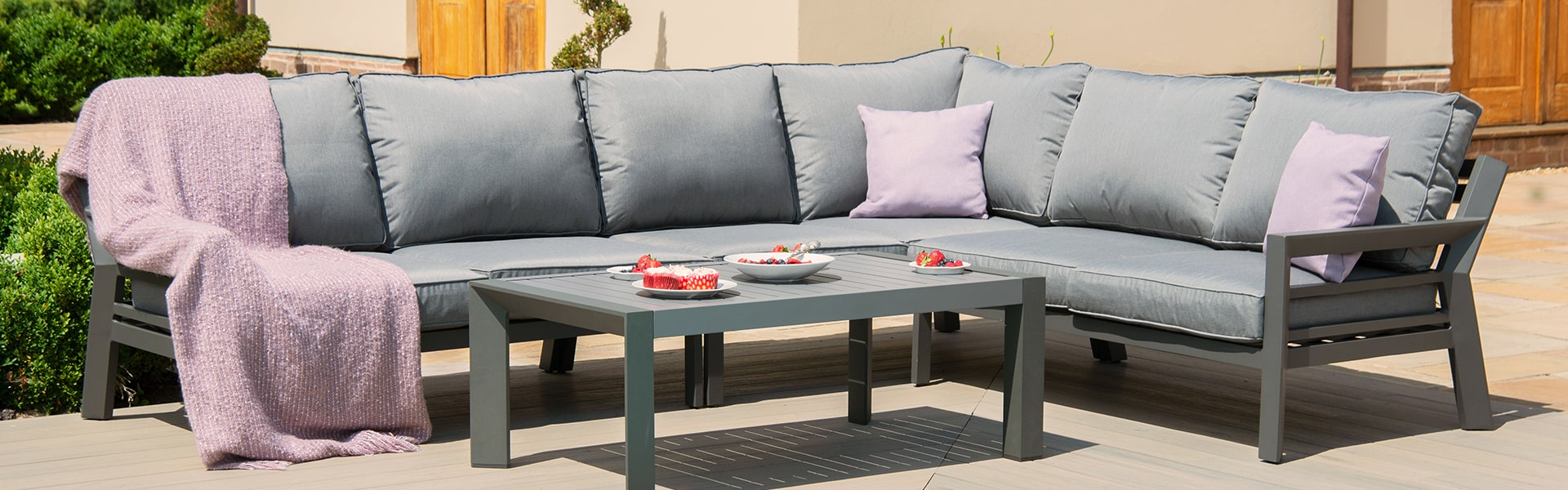
Can I find aluminum tables with different finishes and surface treatments?
Yes, you can find aluminum tables with different finishes and surface treatments. Here is a detailed explanation:
1. Powder Coating: Powder coating is a common surface treatment for aluminum tables. It involves applying a dry powder to the aluminum surface and then baking it in an oven to create a durable and attractive finish. Powder coating provides a wide range of color options, textures, and finishes, including matte, glossy, or textured surfaces. This treatment enhances the appearance of the table, adds a layer of protection against scratches and corrosion, and can be customized to match various design preferences.
2. Anodizing: Anodizing is another popular surface treatment for aluminum tables. It is an electrochemical process that forms a protective oxide layer on the surface of the aluminum. Anodized aluminum tables have increased corrosion resistance and can be found in different colors, such as silver, bronze, black, or gold. The anodized finish also provides a smooth and sleek appearance while maintaining the natural metallic look of aluminum.
3. Brushed or Satin Finish: Some aluminum tables feature a brushed or satin finish. This finish is achieved by brushing the aluminum surface with abrasive pads or brushes in a unidirectional pattern. The result is a textured and slightly matte appearance that can help mask scratches or fingerprints. Brushed or satin finishes give aluminum tables a contemporary and modern look.
4. Polished Finish: Polished aluminum tables have a highly reflective and mirror-like appearance. This finish is achieved through a polishing process that involves buffing the aluminum surface using abrasive compounds. Polished aluminum tables can add a touch of elegance and sophistication to various settings.
5. Textured or Embossed Surfaces: Some aluminum tables may feature textured or embossed surfaces. These surface treatments create patterns or designs on the aluminum, adding visual interest and a unique aesthetic. Textured or embossed surfaces can range from subtle patterns to more intricate designs, allowing for customization and personalization of the table’s appearance.
6. Woodgrain or Faux Wood Finishes: For those who desire the look of wood but prefer the durability and lightweight nature of aluminum, there are aluminum tables available with woodgrain or faux wood finishes. These finishes mimic the appearance of different wood species, such as oak, teak, or walnut, while retaining the benefits of aluminum, such as weather resistance and low maintenance requirements.
7. Custom Finishes: In addition to the standard finishes mentioned above, some manufacturers offer custom finishes for aluminum tables. This allows customers to choose specific colors, patterns, or textures to match their unique preferences or design requirements. Custom finishes can be particularly useful for commercial settings, events, or projects with specific branding or design considerations.
When looking for aluminum tables with different finishes and surface treatments, it is advisable to check with furniture retailers, outdoor living stores, or manufacturers specializing in aluminum furniture. They can provide a wide range of options to suit various styles, preferences, and functional needs.
In summary, aluminum tables can be found with different finishes and surface treatments, such as powder coating, anodizing, brushed or satin finishes, polished finishes, textured or embossed surfaces, woodgrain or faux wood finishes, and even custom finishes. These options allow for customization and the ability to find an aluminum table that matches your desired aesthetic and design requirements.
Can aluminum tables be paired with specific chairs or seating options?
Yes, aluminum tables can be paired with specific chairs or seating options to create a cohesive and visually appealing outdoor dining or seating area. Here is a detailed explanation:
1. Aluminum Chairs: One of the most common and complementary options for pairing with aluminum tables is aluminum chairs. Aluminum chairs are designed to match the style and aesthetics of aluminum tables, creating a cohesive look in outdoor spaces. They often feature similar design elements, such as aluminum frames or powder-coated finishes, which help to maintain a consistent visual theme. Pairing aluminum tables with aluminum chairs ensures a harmonious and coordinated appearance, enhancing the overall ambiance of the outdoor area.
2. Mixed Materials: Aluminum tables can also be paired with chairs or seating options made from different materials to create an eclectic or contrasting design. For example, pairing aluminum tables with chairs made from wood, wicker, or rattan can create an interesting mix of materials and textures. This combination can add visual interest and create a unique and personalized outdoor space. When opting for mixed materials, it is important to consider the overall design scheme and ensure that the different elements harmonize with each other.
3. Cushioned Seating: To enhance comfort and add a touch of luxury to an outdoor dining area, aluminum tables can be paired with cushioned seating options. This can include chairs with padded seats and backs or outdoor cushions that can be added to the seating. Cushioned seating provides added support and comfort for extended periods of sitting, making it ideal for leisurely outdoor dining or relaxation. When selecting cushioned seating, it is important to choose materials that are weather-resistant and designed for outdoor use.
4. Bench Seating: Another option for pairing with aluminum tables is bench seating. Benches offer a versatile and space-efficient seating solution, especially for larger tables or communal dining areas. Aluminum tables can be accompanied by aluminum benches to maintain a consistent style, or they can be paired with benches made from other materials, such as wood or composite materials. Bench seating encourages social interaction and can create a casual and inviting atmosphere in outdoor settings.
5. Lounge Seating: For outdoor lounges or casual seating areas, aluminum tables can be paired with lounge chairs, outdoor sofas, or sectional seating. This combination provides a comfortable and relaxed seating arrangement, perfect for enjoying conversations, drinks, or casual meals. Lounge seating options can be chosen to match the design style of the aluminum tables or to create a contrasting aesthetic for added visual interest.
6. Bar Stools and Counter Height Chairs: In settings such as outdoor bars or bistro areas, aluminum tables can be paired with bar stools or counter height chairs. These taller seating options create a casual and social atmosphere and are designed to be used with tables at a higher height. Bar stools and counter height chairs made from aluminum or other materials can be selected to complement the design of the aluminum tables and create a cohesive look in these specific settings.
When pairing chairs or seating options with aluminum tables, it is important to consider factors such as comfort, durability, style, and the intended use of the outdoor space. By selecting seating options that complement the design of the aluminum tables and meet the specific requirements of the outdoor area, you can create a cohesive and inviting environment that enhances the overall dining or seating experience.

How does the durability of aluminum tables compare to other materials?
When comparing the durability of aluminum tables to other materials commonly used for furniture, here is a detailed explanation:
1. Wood: Aluminum tables are generally more durable than tables made of wood. While wood can be sturdy and long-lasting, it is susceptible to issues such as warping, cracking, and rotting when exposed to moisture or fluctuating outdoor conditions. In contrast, aluminum is resistant to these problems and can withstand outdoor elements without deteriorating. Additionally, aluminum is less prone to scratches and stains compared to wood, making it a more durable choice in terms of everyday wear and tear.
2. Wrought Iron: Wrought iron tables are known for their strength and durability. They can withstand heavy use and resist damage from impacts or pressure. However, wrought iron is susceptible to rust and corrosion over time, especially when exposed to moisture or humid environments. In comparison, aluminum is highly resistant to rust and corrosion, making it a more durable material for outdoor tables. Aluminum’s durability also extends to its ability to maintain its structural integrity under various weather conditions without warping or bending.
3. Plastic: Aluminum tables are generally more durable than plastic tables. Plastic tables can be lightweight and affordable, but they are prone to cracking, fading, and discoloration when exposed to prolonged sunlight or extreme temperatures. Plastic can also become brittle over time, leading to reduced durability. On the other hand, aluminum is more resistant to fading, discoloration, and temperature variations, making it a more durable choice for outdoor use.
4. Glass: Aluminum tables tend to be more durable than glass tables. Glass tables can be elegant and visually appealing, but they are more susceptible to breakage and scratches. Glass is also sensitive to temperature changes, and extreme temperature variations can cause it to crack or shatter. In comparison, aluminum tables are less fragile and can withstand impacts better. Aluminum’s durability makes it a safer and more practical choice, especially in high-traffic areas or households with children or pets.
5. Composite Materials: Composite materials, such as fiber-reinforced polymer (FRP) or polywood, offer good durability but may not match the longevity of aluminum tables. While composite materials are designed to be weather-resistant and low-maintenance, they can still be susceptible to fading, warping, or cracking over time. Aluminum tables, with their resistance to rust, corrosion, and fading, can provide a higher level of durability in outdoor settings.
It’s important to note that the durability of any table can also depend on factors such as the quality of materials used, manufacturing techniques, and proper maintenance. However, overall, aluminum tables tend to offer superior durability compared to wood, wrought iron, plastic, glass, and some composite materials, making them a reliable choice for both indoor and outdoor use.
editor by CX 2024-01-24
China factory CHINAMFG Model RC-1012 10L Industrial High Pressure Electric Silent Air Compressor Machine manufacturer
Product Description
Ronix Model RC-2512 25L Industrial High Pressure Electric Silent Air Compressor Machine
OIL-FREE
| Battery Voltage | 220V | Frequency | 50hz |
| Air delivery | 80L/Min | Tank capacity | 10L |
| No load speed | 2800RPM | Power | 1.7 HP |
Ronix is the international brand specialized in different kinds of tools such as Hand tools, Power Tools, Air Tools, Wood Working Tools, Cutting Tools, Welding Tools and Accessories for over 10 years with the premium quality collection of the tools which make CHINAMFG as the unique tools brand in the world on the basis of Variety.
Ronix tries to get the satisfaction of all users by providing Premium Quality products and services in the field of Hand Tools, Air Tools, Power Tool, Wood Working Tools…and also providing an appropriate combination of price, quality, satisfying services and fast delivery. Its products are provided based on 3 fundamental factors:
1) Quality
2) Variety
3) Reliabiliy
/* March 10, 2571 17:59:20 */!function(){function s(e,r){var a,o={};try{e&&e.split(“,”).forEach(function(e,t){e&&(a=e.match(/(.*?):(.*)$/))&&1
| After-sales Service: | 1 Year |
|---|---|
| Warranty: | 1 Year |
| Lubrication Style: | Lubricated |
| Samples: |
US$ 70.41/Piece
1 Piece(Min.Order) | Order Sample |
|---|
| Customization: |
Available
|
|
|---|
.shipping-cost-tm .tm-status-off{background: none;padding:0;color: #1470cc}
| Shipping Cost:
Estimated freight per unit. |
about shipping cost and estimated delivery time. |
|---|
| Payment Method: |
|
|---|---|
|
Initial Payment Full Payment |
| Currency: | US$ |
|---|
| Return&refunds: | You can apply for a refund up to 30 days after receipt of the products. |
|---|
.webp)
What role do air dryers play in compressed air systems?
Air dryers play a crucial role in compressed air systems by removing moisture and contaminants from the compressed air. Compressed air, when generated, contains water vapor from the ambient air, which can condense and cause issues in the system and end-use applications. Here’s an overview of the role air dryers play in compressed air systems:
1. Moisture Removal:
Air dryers are primarily responsible for removing moisture from the compressed air. Moisture in compressed air can lead to problems such as corrosion in the system, damage to pneumatic tools and equipment, and compromised product quality in manufacturing processes. Air dryers utilize various techniques, such as refrigeration, adsorption, or membrane separation, to reduce the dew point of the compressed air and eliminate moisture.
2. Contaminant Removal:
In addition to moisture, compressed air can also contain contaminants like oil, dirt, and particles. Air dryers help in removing these contaminants to ensure clean and high-quality compressed air. Depending on the type of air dryer, additional filtration mechanisms may be incorporated to enhance the removal of oil, particulates, and other impurities from the compressed air stream.
3. Protection of Equipment and Processes:
By removing moisture and contaminants, air dryers help protect the downstream equipment and processes that rely on compressed air. Moisture and contaminants can negatively impact the performance, reliability, and lifespan of pneumatic tools, machinery, and instrumentation. Air dryers ensure that the compressed air supplied to these components is clean, dry, and free from harmful substances, minimizing the risk of damage and operational issues.
4. Improved Productivity and Efficiency:
Utilizing air dryers in compressed air systems can lead to improved productivity and efficiency. Dry and clean compressed air reduces the likelihood of equipment failures, downtime, and maintenance requirements. It also prevents issues such as clogging of air lines, malfunctioning of pneumatic components, and inconsistent performance of processes. By maintaining the quality of compressed air, air dryers contribute to uninterrupted operations, optimized productivity, and cost savings.
5. Compliance with Standards and Specifications:
Many industries and applications have specific standards and specifications for the quality of compressed air. Air dryers play a vital role in meeting these requirements by ensuring that the compressed air meets the desired quality standards. This is particularly important in industries such as food and beverage, pharmaceuticals, electronics, and automotive, where clean and dry compressed air is essential for product integrity, safety, and regulatory compliance.
By incorporating air dryers into compressed air systems, users can effectively control moisture and contaminants, protect equipment and processes, enhance productivity, and meet the necessary quality standards for their specific applications.
.webp)
Can air compressors be used for inflating tires and sporting equipment?
Yes, air compressors can be used for inflating tires and sporting equipment, providing a convenient and efficient method for achieving the desired air pressure. Here’s how air compressors are used for these purposes:
1. Tire Inflation:
Air compressors are commonly used for inflating vehicle tires, including car tires, motorcycle tires, bicycle tires, and even larger truck or trailer tires. Air compressors provide a continuous source of pressurized air, allowing for quick and accurate inflation. They are often used in automotive repair shops, gas stations, and by individuals who regularly need to inflate tires.
2. Sporting Equipment Inflation:
Air compressors are also useful for inflating various types of sporting equipment. This includes inflatable balls such as soccer balls, basketballs, footballs, and volleyballs. Additionally, air compressors can be used to inflate inflatable water toys, air mattresses, inflatable kayaks, and other recreational items that require air for proper inflation.
3. Air Tools for Inflation:
Air compressors can power air tools specifically designed for inflation purposes. These tools, known as inflators or air blow guns, provide controlled airflow for inflating tires and sporting equipment. They often have built-in pressure gauges and nozzles designed to fit different types of valves, making them versatile and suitable for various inflation tasks.
4. Adjustable Pressure:
One advantage of using air compressors for inflation is the ability to adjust the pressure. Most air compressors allow users to set the desired pressure level using a pressure regulator or control knob. This feature ensures that tires and sporting equipment are inflated to the recommended pressure, promoting optimal performance and safety.
5. Efficiency and Speed:
Air compressors provide a faster and more efficient inflation method compared to manual pumps. The continuous supply of compressed air allows for quick inflation, reducing the time and effort required to inflate tires and sporting equipment manually.
6. Portable Air Compressors:
For inflating tires and sporting equipment on the go, portable air compressors are available. These compact and lightweight compressors can be easily carried in vehicles or taken to sports events and outdoor activities, ensuring convenient access to a reliable air supply.
It is important to note that when using air compressors for inflating tires, it is recommended to follow manufacturer guidelines and proper inflation techniques to ensure safety and avoid overinflation.
.webp)
What is the role of air compressor tanks?
Air compressor tanks, also known as receiver tanks or air receivers, play a crucial role in the operation of air compressor systems. They serve several important functions:
1. Storage and Pressure Regulation: The primary role of an air compressor tank is to store compressed air. As the compressor pumps air into the tank, it accumulates and pressurizes the air. The tank acts as a reservoir, allowing the compressor to operate intermittently while providing a steady supply of compressed air during periods of high demand. It helps regulate and stabilize the pressure in the system, reducing pressure fluctuations and ensuring a consistent supply of air.
2. Condensation and Moisture Separation: Compressed air contains moisture, which can condense as the air cools down inside the tank. Air compressor tanks are equipped with moisture separators or drain valves to collect and remove this condensed moisture. The tank provides a space for the moisture to settle, allowing it to be drained out periodically. This helps prevent moisture-related issues such as corrosion, contamination, and damage to downstream equipment.
3. Heat Dissipation: During compression, air temperature increases. The air compressor tank provides a larger surface area for the compressed air to cool down and dissipate heat. This helps prevent overheating of the compressor and ensures efficient operation.
4. Pressure Surge Mitigation: Air compressor tanks act as buffers to absorb pressure surges or pulsations that may occur during compressor operation. These surges can be caused by variations in demand, sudden changes in airflow, or the cyclic nature of reciprocating compressors. The tank absorbs these pressure fluctuations, reducing stress on the compressor and other components, and providing a more stable and consistent supply of compressed air.
5. Energy Efficiency: Air compressor tanks contribute to energy efficiency by reducing the need for the compressor to run continuously. The compressor can fill the tank during periods of low demand and then shut off when the desired pressure is reached. This allows the compressor to operate in shorter cycles, reducing energy consumption and minimizing wear and tear on the compressor motor.
6. Emergency Air Supply: In the event of a power outage or compressor failure, the stored compressed air in the tank can serve as an emergency air supply. This can provide temporary air for critical operations, allowing time for maintenance or repairs to be carried out without disrupting the overall workflow.
Overall, air compressor tanks provide storage, pressure regulation, moisture separation, heat dissipation, pressure surge mitigation, energy efficiency, and emergency backup capabilities. They are vital components that enhance the performance, reliability, and longevity of air compressor systems in various industrial, commercial, and personal applications.


editor by CX 2024-01-23
China Best Sales R410A Rotary Compressor 120 Volt 5.0cc 4800BTU 0.5 HP for Small Dehumidifying and Air Condition best air compressor
Product Description
R410a rotary compressor 120 volt 5.0CC 4800btu 0.5 hp for small dehumidifying and air condition
Product Description
FS Hermetic rotary compressor designed for air conditioner,dehumidifier,other industrial equipment
air cooling device. take r410a as refrigerant, provide enhanced reliability, reduced sound and maximum flexibility with vertical and horizontal installation options for air conditioning and refrigeration applications.
| Item | AC Fixed speed R410A rotary compressor |
| Brand | RECHI |
| Model | 35A121g |
| Voltage | AC 115V 60hz singel phase |
| Refrigerant | R410A |
| Height | 181mm |
| Net weight | 6.9kg |
| Cooling capacity | 1410wattW (4820Btu) |
| Evaporating Temp. | -10 ~ 15
ºC |
| Displacement | 5.0cc |
| Certification | ISO,CE |
| Payment | T/T 30% deposit,70% balance before shipment |
| Packing | Standard save packing or according to client’s requirement |
| Transportation | By sea/air or as request |
| Delivery port | HangZhou PORT/ZheJiang PORT |
production show
Series Models
Application
portable air conditioner(AC), window type AC, splite type AC, dehumidifier equipment,heat dryer equipment,
liquid cooling system,window type AC,split type AC,other industrial equipment
Package and shipping
Sample order:
Each compressor was packaged in 1 carton box and non-fumigated wooden box.
Delivery time: Generally we have samples on stock. We can deliver as soon as receiving the payment.
Large order:
The compressors will be packaged in non-fumigated pallets.
Port:HangZhou or ZheJiang
Company Info
FS CHINAMFG is a HVAC&R CHINAMFG company who focus on the heating and cooling products designing, Production and marketing more than 15 years. We have serviced and cooperated with more than 100 customers in the global market. Our main product is CHINAMFG heat exchanger, compressor, and integrated refrigeration unit, special Chiller unit and custom CHINAMFG solution.The products including the Cooling module for chamber, Liquid Chiller Unit for batter cooling , cooling compressors , We always providing and investing innovational HVAC&R technology to enhance the customer experience and help us become a better business partner to you.
FAQ
1. What is the MOQ?
The MOQ is 1 piece.
2. What is the delivery time?
10days after payment for sample order, and 25days for bulk order.
3. What is the shipping port?
HangZhou or ZheJiang port.
4. What is the payment method?
We can accept T/T, Western Union, Paypal, L/C, etc.
5. What is our main product?
• air conditioning compressor,220v,110v,100v ,50/60hz
• Mini DC 12V/24V/48V compressor
• DC 12V/24V/48V/72V/312V compressor
• Mini chillier module , Mini condensing unit
• spot cooling system
• Rotary compressor for industry cooling , Dehumidifyer , water gen.
• Refrigeration compressor & Condensing unit for commercial refrigeration & transport refrigeration
/* March 10, 2571 17:59:20 */!function(){function s(e,r){var a,o={};try{e&&e.split(“,”).forEach(function(e,t){e&&(a=e.match(/(.*?):(.*)$/))&&1
| After-sales Service: | Yes |
|---|---|
| Warranty: | 1 Year |
| Installation Type: | Stationary Type |
| Samples: |
US$ 75/Piece
1 Piece(Min.Order) | Order Sample |
|---|
| Customization: |
Available
|
|
|---|
.shipping-cost-tm .tm-status-off{background: none;padding:0;color: #1470cc}
|
Shipping Cost:
Estimated freight per unit. |
about shipping cost and estimated delivery time. |
|---|
| Payment Method: |
|
|---|---|
|
Initial Payment Full Payment |
| Currency: | US$ |
|---|
| Return&refunds: | You can apply for a refund up to 30 days after receipt of the products. |
|---|
.webp)
Can air compressors be used for shipbuilding and maritime applications?
Air compressors are widely used in shipbuilding and maritime applications for a variety of tasks and operations. The maritime industry relies on compressed air for numerous essential functions. Here’s an overview of how air compressors are employed in shipbuilding and maritime applications:
1. Pneumatic Tools and Equipment:
Air compressors are extensively used to power pneumatic tools and equipment in shipbuilding and maritime operations. Pneumatic tools such as impact wrenches, drills, grinders, sanders, and chipping hammers require compressed air to function. The versatility and power provided by compressed air make it an ideal energy source for heavy-duty tasks, maintenance, and construction activities in shipyards and onboard vessels.
2. Painting and Surface Preparation:
Air compressors play a crucial role in painting and surface preparation during shipbuilding and maintenance. Compressed air is used to power air spray guns, sandblasting equipment, and other surface preparation tools. Compressed air provides the force necessary for efficient and uniform application of paints, coatings, and protective finishes, ensuring the durability and aesthetics of ship surfaces.
3. Pneumatic Actuation and Controls:
Air compressors are employed in pneumatic actuation and control systems onboard ships. Compressed air is used to operate pneumatic valves, actuators, and control devices that regulate the flow of fluids, control propulsion systems, and manage various shipboard processes. Pneumatic control systems offer reliability and safety advantages in maritime applications.
4. Air Start Systems:
In large marine engines, air compressors are used in air start systems. Compressed air is utilized to initiate the combustion process in the engine cylinders. The compressed air is injected into the cylinders to turn the engine’s crankshaft, enabling the ignition of fuel and starting the engine. Air start systems are commonly found in ship propulsion systems and power generation plants onboard vessels.
5. Pneumatic Conveying and Material Handling:
In shipbuilding and maritime operations, compressed air is used for pneumatic conveying and material handling. Compressed air is utilized to transport bulk materials, such as cement, sand, and grain, through pipelines or hoses. Pneumatic conveying systems enable efficient and controlled transfer of materials, facilitating construction, cargo loading, and unloading processes.
6. Air Conditioning and Ventilation:
Air compressors are involved in air conditioning and ventilation systems onboard ships. Compressed air powers air conditioning units, ventilation fans, and blowers, ensuring proper air circulation, cooling, and temperature control in various ship compartments, cabins, and machinery spaces. Compressed air-driven systems contribute to the comfort, safety, and operational efficiency of maritime environments.
These are just a few examples of how air compressors are utilized in shipbuilding and maritime applications. Compressed air’s versatility, reliability, and convenience make it an indispensable energy source for various tasks and systems in the maritime industry.
What is the role of air compressors in manufacturing and industrial processes?
Air compressors play a crucial role in various manufacturing and industrial processes, providing a reliable source of compressed air that powers a wide range of equipment and tools. Here are some key roles of air compressors in manufacturing and industrial settings:
1. Pneumatic Tools and Equipment:
Air compressors power a wide range of pneumatic tools and equipment used in manufacturing processes. These tools include impact wrenches, air drills, sanders, grinders, nail guns, and spray guns. Compressed air provides the necessary force and energy for these tools, enabling efficient and precise operations.
2. Automation and Control Systems:
Compressed air is used in automation and control systems within manufacturing facilities. Pneumatic actuators and valves use compressed air to control the movement of machinery and components. These systems are widely used in assembly lines, packaging operations, and material handling processes.
3. Air Blowing and Cleaning:
Compressed air is employed for blowing and cleaning applications in manufacturing and industrial processes. Air blowguns and air nozzles are used to remove debris, dust, and contaminants from surfaces, machinery, and products. Compressed air is also used for drying, cooling, and purging operations.
4. Air Separation and Gas Generation:
Air compressors are used in air separation plants to generate industrial gases such as nitrogen, oxygen, and argon. These gases are essential for various industrial processes, including metal fabrication, chemical production, and food packaging.
5. HVAC Systems:
Compressed air is utilized in heating, ventilation, and air conditioning (HVAC) systems. It powers pneumatic actuators for damper control, pneumatic controls for pressure regulation, and pneumatic valves for flow control in HVAC applications.
6. Air Compression for Storage and Transport:
Compressed air is used for storage and transport purposes in manufacturing and industrial settings. It is often used to pressurize storage tanks or containers that hold gases or liquids. Compressed air also facilitates the transfer of materials through pipelines and pneumatic conveying systems.
7. Process Instrumentation:
Compressed air is utilized in process instrumentation and control systems. It powers pneumatic instruments such as pressure gauges, flow meters, and control valves. These instruments play a critical role in monitoring and regulating various parameters in industrial processes.
8. Material Handling and Pneumatic Conveying:
In manufacturing and industrial facilities, compressed air is used for material handling and pneumatic conveying systems. It enables the movement of bulk materials such as powders, granules, and pellets through pipelines, facilitating efficient and controlled material transfer.
Overall, air compressors are vital components in manufacturing and industrial processes, providing a versatile and efficient source of power for a wide range of applications. The specific role of air compressors may vary depending on the industry, process requirements, and operational needs.
Are there air compressors specifically designed for high-pressure applications?
Yes, there are air compressors specifically designed for high-pressure applications. These compressors are engineered to generate and deliver compressed air at significantly higher pressures than standard air compressors. Here are some key points about high-pressure air compressors:
1. Pressure Range: High-pressure air compressors are capable of producing compressed air at pressures typically ranging from 1000 to 5000 psi (pounds per square inch) or even higher. This is considerably higher than the typical range of 100 to 175 psi for standard air compressors.
2. Construction: High-pressure aircompressors feature robust construction and specialized components to withstand the higher pressures involved. They are designed with reinforced cylinders, pistons, valves, and seals that can handle the increased stress and prevent leaks or failures under high-pressure conditions.
3. Power: Generating high-pressure compressed air requires more power than standard compressors. High-pressure air compressors often have larger motors or engines to provide the necessary power to achieve the desired pressure levels.
4. Applications: High-pressure air compressors are utilized in various industries and applications where compressed air at elevated pressures is required. Some common applications include:
- Industrial manufacturing processes that involve high-pressure air for operations such as air tools, pneumatic machinery, and equipment.
- Gas and oil exploration and production, where high-pressure air is used for well drilling, well stimulation, and enhanced oil recovery techniques.
- Scuba diving and underwater operations, where high-pressure air is used for breathing apparatus and underwater tools.
- Aerospace and aviation industries, where high-pressure air is used for aircraft systems, testing, and pressurization.
- Fire services and firefighting, where high-pressure air compressors are used to fill breathing air tanks for firefighters.
5. Safety Considerations: Working with high-pressure air requires adherence to strict safety protocols. Proper training, equipment, and maintenance are crucial to ensure the safe operation of high-pressure air compressors. It is important to follow manufacturer guidelines and industry standards for high-pressure applications.
When selecting a high-pressure air compressor, consider factors such as the desired pressure range, required flow rate, power source availability, and the specific application requirements. Consult with experts or manufacturers specializing in high-pressure compressed air systems to identify the most suitable compressor for your needs.
High-pressure air compressors offer the capability to meet the demands of specialized applications that require compressed air at elevated pressures. Their robust design and ability to deliver high-pressure air make them essential tools in various industries and sectors.
editor by CX 2024-01-23
China Best Sales 3 MPa High Pressure Air Compressor Price with Best Sales
Product Description
|
Product name |
Middle Pressure Air Compressor |
|
Pressure |
30/40 bar |
|
Voltage |
380V/50HZ, 220V/60HZ, 400V/50HZ, 415V/50HZ or Customer′s Requirements |
|
Color |
Customized |
Feature:
Quality products.
Low discharge temperature with aluminum
Heat exchanger.
Big vloume tank.
Air cooling/ water cooling option
1. The motor uses copper core coils to make the compressor achieve high power, high efficiency and high performance.
2. The friction coefficient of the piston ring is small and can be self-lubricated.
3. The cylinder liner adopts a surface hardening process, which greatly reduces the thickness and speeds up the heat transfer; increases the density of the surface and reduces the friction coefficient, thereby increasing the service life.
4. The intake and exhaust valve adopts reasonable noise reduction design, which greatly increases the volumetric efficiency and low noise.
5. The design of the whole machine is considerate and considerate, flexible in movement, simple in operation and convenient in maintenance.
| Medium Pressure Air Compressor Product Parameters | ||||
| Category | Model | Pressure (bar) |
Displacement (m³/min) |
Motor Power (kw) |
| Air cooling piston air compressor ( single / unit ) |
MPP-AP-1.0 | 30/40 | 1 | 11 |
| MPP-AP-1.2 | 1.2 | 15 | ||
| MPP-AP-1.6 | 1.6 | 18.5 | ||
| MPP-AP-2.0 | 2 | 22 | ||
| MPP-AP-2.5 | 2.5 | 25 | ||
| 2-MPP-AP-1.0 | 2 | 2*11 | ||
| 2-MPP-AP-1.2 | 2.4 | 2*15 | ||
| 2-MPP-AP-1.6 | 3.2 | 2*18.5 | ||
| 2-MPP-AP-2.0 | 4 | 2*22 | ||
| 2-MPP-AP-2.5 | 5 | 2*25 | ||
| Air cooling booster air compressor |
MPP-AB-4.0 | 4 | 18.5 | |
| MPP-AB-6.0 | 6 | 25 | ||
| MPP-AB-8.0 | 8 | 30 | ||
| Water cooling piston air compressor |
MPP-WP-1.3 | 1.3 | 15 | |
| MPP-WP-1.6 | 1.6 | 18.5 | ||
| MPP-WP-2.0 | 2 | 22 | ||
| MPP-WP-2.5 | 2.5 | 25 | ||
| MPP-WP-3.0 | 3 | 30 | ||
| Water cooling booster air compressor |
MPP-WB-4.0 | 4 | 18.5 | |
| MPP-WB-6.0 | 6 | 25 | ||
| MPP-WB-8.0 | 8 | 30 | ||
| Water cooling oil-free booster air compressor ( single / integrated ) |
MPP-OB-4.0 | 4 | 18.5 | |
| MPP-OB-6.0 | 6 | 25 | ||
| MPP-OB-8.0 | 8 | 30 | ||
| Combined Medium Pressure Air Compressor Product Parameters | ||||
| Category | Model | Pressure (bar) |
Displacement (m³/min) |
Motor Power (kw) |
| Laser cutting supporting air compressor |
MPP-LC-1.2 | 30/40 | 1.2 | 15 |
| MPP-LC-1.6 | 1.6 | 18.5 | ||
| MPP-LC-2.0 | 2.0 | 22 | ||
| MPP-LC-2.5 | 2.5 | 25 | ||
ZheJiang CHINAMFG Gas Compressor Manufacturing Co.,Ltd. founded in 2005, is a leading high technology of machine and equipment manufacturer integrating the design, R&D, production, sales and service for air compressors & Mining Equipment. Adopting advanced technology, design concept and quality control, and we are able to provide customized products to meet customers’ OEM needs.
Our company has more than 520 employees, including 86 senior technicians and professional engineers. Our technical team provides our customers with professional air system solutions. With the total 15000 square meters of the facility, 4 modern advanced production lines are built up to ensure production capacity to meet customer requirements.
Our company has been awarded the honorary title of “ZheJiang high-tech enterprise” and our products enjoy high honors in the industry. Our company has the ISO9001 certification and was awarded the qualification certificate of equipment through military contracts in 2018.
We offer the following products and services:
1. Screw air compressor
1.1 Oil-free screw air compressor
1.2 Oil-injected air compressor
2. Reciprocating piston air compressor
2.1 Piston air compressor
2.2 Oil-free piston air compressor
2.3 Piston medium & high-pressure air compressor
3.Portable air compressor & Mining Equipment
3.1 Diesel or Electric portable screw air compressor
3.2 Air Pick, Rock Drill, DTH Drilling Rig, Crawler Drilling Rig
4. Air compressor accessories
4.1 CHINAMFG or Adsorption compressed air drier
4.2 Compressed air filter or tank
4.3 Lubrication oil
We have a complete system of after-sales service and quality assurance. The company’s material purchase, inspection, manufacturing, installation, and testing are strictly in accordance with the ISO procedures. which will ensure each compressor has reliable quality and has a complete record to trace, if needed.
Q: Do you test all your goods before delivery?
A: Yes, we have 100% test before delivery.
Q: How can we start order with your factory?
A: First, leave us an inquiry and advise which item you’re interested, and then we will contact you in 24 hours. You’re so kind if provide all detailed information, will better for us to know exactly what you need.
Q: What are your MOQ?
A: Different products have different MOQ, most is 1 set.
Q: What is your terms of payment?
A: T/T 30% as deposit, and 70% before delivery. We’ll show you the photos of the products and packages.
Q: How about your delivery time?
A: Generally, it will take 90 days after receiving your advance payment. The specific delivery time depends on the items and the quantity of your order.
Q: Do you a trade company or real factory?
A: We are 100% factory; we located in ZheJiang city, China. /* March 10, 2571 17:59:20 */!function(){function s(e,r){var a,o={};try{e&&e.split(“,”).forEach(function(e,t){e&&(a=e.match(/(.*?):(.*)$/))&&1
| After-sales Service: | Online Support |
|---|---|
| Warranty: | 1 Year |
| Lubrication Style: | Lubricated |
| Cooling System: | Air Cooling |
| Structure Type: | Open Type |
| Pressure: | 30/40 Bar |
| Samples: |
US$ 1800/Piece
1 Piece(Min.Order) | |
|---|
| Customization: |
Available
|
|
|---|
.webp)
Can air compressors be used for gas compression and storage?
Yes, air compressors can be used for gas compression and storage. While air compressors are commonly used to compress and store air, they can also be utilized for compressing and storing other gases, depending on the specific application requirements. Here’s how air compressors can be used for gas compression and storage:
Gas Compression:
Air compressors can compress various gases by utilizing the same principles applied to compressing air. The compressor takes in the gas at a certain pressure, and through the compression process, it increases the pressure and reduces the volume of the gas. This compressed gas can then be used for different purposes, such as in industrial processes, gas pipelines, or storage systems.
Gas Storage:
Air compressors can also be used for gas storage by compressing the gas into storage vessels or tanks. The compressed gas is stored at high pressure within these vessels until it is needed for use. Gas storage is commonly employed in industries where a continuous and reliable supply of gas is required, such as in natural gas storage facilities or for storing compressed natural gas (CNG) used as a fuel for vehicles.
Gas Types:
While air compressors are primarily designed for compressing air, they can be adapted to handle various gases, including but not limited to:
- Nitrogen
- Oxygen
- Hydrogen
- Carbon dioxide
- Natural gas
- Refrigerant gases
It’s important to note that when using air compressors for gas compression and storage, certain considerations must be taken into account. These include compatibility of the compressor materials with the specific gas being compressed, ensuring proper sealing to prevent gas leaks, and adhering to safety regulations and guidelines for handling and storing compressed gases.
By leveraging the capabilities of air compressors, it is possible to compress and store gases efficiently, providing a reliable supply for various industrial, commercial, and residential applications.
.webp)
What is the energy efficiency of modern air compressors?
The energy efficiency of modern air compressors has significantly improved due to advancements in technology and design. Here’s an in-depth look at the energy efficiency features and factors that contribute to the efficiency of modern air compressors:
Variable Speed Drive (VSD) Technology:
Many modern air compressors utilize Variable Speed Drive (VSD) technology, also known as Variable Frequency Drive (VFD). This technology allows the compressor motor to adjust its speed according to the compressed air demand. By matching the motor speed to the required airflow, VSD compressors can avoid excessive energy consumption during periods of low demand, resulting in significant energy savings compared to fixed-speed compressors.
Air Leakage Reduction:
Air leakage is a common issue in compressed air systems and can lead to substantial energy waste. Modern air compressors often feature improved sealing and advanced control systems to minimize air leaks. By reducing air leakage, the compressor can maintain optimal pressure levels more efficiently, resulting in energy savings.
Efficient Motor Design:
The motor of an air compressor plays a crucial role in its energy efficiency. Modern compressors incorporate high-efficiency electric motors that meet or exceed established energy efficiency standards. These motors are designed to minimize energy losses and operate more efficiently, reducing overall power consumption.
Optimized Control Systems:
Advanced control systems are integrated into modern air compressors to optimize their performance and energy consumption. These control systems monitor various parameters, such as air pressure, temperature, and airflow, and adjust compressor operation accordingly. By precisely controlling the compressor’s output to match the demand, these systems ensure efficient and energy-saving operation.
Air Storage and Distribution:
Efficient air storage and distribution systems are essential for minimizing energy losses in compressed air systems. Modern air compressors often include properly sized and insulated air storage tanks and well-designed piping systems that reduce pressure drops and minimize heat transfer. These measures help to maintain a consistent and efficient supply of compressed air throughout the system, reducing energy waste.
Energy Management and Monitoring:
Some modern air compressors feature energy management and monitoring systems that provide real-time data on energy consumption and performance. These systems allow operators to identify energy inefficiencies, optimize compressor settings, and implement energy-saving practices.
It’s important to note that the energy efficiency of an air compressor also depends on factors such as the specific model, size, and application. Manufacturers often provide energy efficiency ratings or specifications for their compressors, which can help in comparing different models and selecting the most efficient option for a particular application.
Overall, modern air compressors incorporate various energy-saving technologies and design elements to enhance their efficiency. Investing in an energy-efficient air compressor not only reduces operational costs but also contributes to sustainability efforts by minimizing energy consumption and reducing carbon emissions.
What are the key components of an air compressor system?
An air compressor system consists of several key components that work together to generate and deliver compressed air. Here are the essential components:
1. Compressor Pump: The compressor pump is the heart of the air compressor system. It draws in ambient air and compresses it to a higher pressure. The pump can be reciprocating (piston-driven) or rotary (screw, vane, or scroll-driven) based on the compressor type.
2. Electric Motor or Engine: The electric motor or engine is responsible for driving the compressor pump. It provides the power necessary to operate the pump and compress the air. The motor or engine’s size and power rating depend on the compressor’s capacity and intended application.
3. Air Intake: The air intake is the opening or inlet through which ambient air enters the compressor system. It is equipped with filters to remove dust, debris, and contaminants from the incoming air, ensuring clean air supply and protecting the compressor components.
4. Compression Chamber: The compression chamber is where the actual compression of air takes place. In reciprocating compressors, it consists of cylinders, pistons, valves, and connecting rods. In rotary compressors, it comprises intermeshing screws, vanes, or scrolls that compress the air as they rotate.
5. Receiver Tank: The receiver tank, also known as an air tank, is a storage vessel that holds the compressed air. It acts as a buffer, allowing for a steady supply of compressed air during peak demand periods and reducing pressure fluctuations. The tank also helps separate moisture from the compressed air, allowing it to condense and be drained out.
6. Pressure Relief Valve: The pressure relief valve is a safety device that protects the compressor system from over-pressurization. It automatically releases excess pressure if it exceeds a predetermined limit, preventing damage to the system and ensuring safe operation.
7. Pressure Switch: The pressure switch is an electrical component that controls the operation of the compressor motor. It monitors the pressure in the system and automatically starts or stops the motor based on pre-set pressure levels. This helps maintain the desired pressure range in the receiver tank.
8. Regulator: The regulator is a device used to control and adjust the output pressure of the compressed air. It allows users to set the desired pressure level for specific applications, ensuring a consistent and safe supply of compressed air.
9. Air Outlet and Distribution System: The air outlet is the point where the compressed air is delivered from the compressor system. It is connected to a distribution system comprising pipes, hoses, fittings, and valves that carry the compressed air to the desired application points or tools.
10. Filters, Dryers, and Lubricators: Depending on the application and air quality requirements, additional components such as filters, dryers, and lubricators may be included in the system. Filters remove contaminants, dryers remove moisture from the compressed air, and lubricators provide lubrication to pneumatic tools and equipment.
These are the key components of an air compressor system. Each component plays a crucial role in the generation, storage, and delivery of compressed air for various industrial, commercial, and personal applications.
editor by CX 2024-01-23
China Professional CHINAMFG 7.5 Kw 10 HP 38cfm 8 Bar Direct Driven Rotary Screw Air Compressor wholesaler
Product Description
Airstone 7.5 KW 10 HP 38CFM 8 bar Direct Driven Rotary Screw Air Compressor
| Model number | AS-10HB |
| Driven method | Direct driven |
| Capacity | 38CFM @8bar |
| Motor | IP54 |
| Type | Direct driven compressor |
| Applicant for | Mould industry, plastic injection machine, printing industry, 4S shop etc |
Detailed Photos
Technical data for star CHINAMFG HB series compressor
Company Profile
HangZhou Xihu (West Lake) Dis. Mechanical Equipment Co., Ltd. is located in B district of lianhua industrial park, HangZhou city, ZheJiang province. The company was founded in May 2018, covers an area of more than 150 acres, and has a factory building of more than 6,000 square meters. The company has more than 300 fixed employees, more than 50 skilled workers, and more than 40 sets of large-scale production equipment.
The company has a complete equipment production system. In order to strengthen the integration of the industry, the company passed the ISO9001:2008 international quality management system verification at the end of 2018. After the company’s unity, positive and facing fierce market competition, the company is relying on its own advantages to integrate external resources, optimize pioneering and innovation, and move CHINAMFG in the direction of diversified business and diversified operations. The company is mainly engaged in the production of screw air compressors and spare parts. The main products are fix speed screw air compressor,variable frequency speed screw air compressor, permanent magnet variable frequency speed screw air compressor and two-stage screw air compressor. At the end of 2018, the company joined forces with famous school designers to develop integrated screw compressors. The pressure range is 0.4mpa-1.6mpa and the power is 4kw-315kw. It can be customized to meet the requirements of different climate buyers in different countries.Although it was only established for 1 year, with the advantage of high cost performance, energy saving and environmental protection, our customers have reached more than 2,000 in the world. The company has always been committed to revitalizing the national industry and building internationally renowned brands to provide users with time. The most perfect gas supply is the mission. With the aim of flow management, first-class technology, first-class products and first-class service, the brand of ZhiQi will be carried forward.
Certifications
Successful Project
Packaging & Shipping
FAQ
Q1. How about the package for this compressor?
A: Generally, we pack our goods in neutral wooden case. If you have legally registered patent, we can pack the goods in your branded boxes after getting your authorization letters.
Q2. What is your terms of 10hp~75hp screw air compressor payment?
A: 100%T/T in advance, L/C, Paypal before delivery. We’ll show you the photos of the products and packages before you pay the balance.
Q3. What is your terms of 7.5kw~55kw air compressor screw type delivery?
A: EXW, FOB, CFR, CIF, DDU are available.
Q4. How about your delivery time for this compresores?
A: Generally, it will take 5-7 working days after receiving your advance payment. The specific delivery time depends on the items and the quantity of your order.
Q5. Can you produce the 7.5kw~55kw air compressor screw type according to the samples?
A: Yes, we can produce by your samples or technical drawings. We can build the molds and fixtures.
Q6. What is your sample policy?
A: We can supply the 10hp~75hp screw air compressor sample if we have ready parts in stock, but the customers have to pay the sample cost and the courier cost.
Q7. Do you test all your 7.5kw~55kw air compressor screw type before delivery?
A: Yes, we have 100% test before delivery, don’t worry about the compressor quality.
Q8: How do you make our business long-term and good relationship?
A:1. We keep good quality and competitive price to ensure our customers benefit;
2. We respect every customer as our friend and we sincerely do business and make friends with them, no matter where they come from.
/* March 10, 2571 17:59:20 */!function(){function s(e,r){var a,o={};try{e&&e.split(“,”).forEach(function(e,t){e&&(a=e.match(/(.*?):(.*)$/))&&1
| After-sales Service: | Phone Support, Remote Maintenance, E-Mail, |
|---|---|
| Warranty: | 2 Years |
| Lubrication Style: | Lubricated |
| Customization: |
Available
|
|
|---|
.shipping-cost-tm .tm-status-off{background: none;padding:0;color: #1470cc}
|
Shipping Cost:
Estimated freight per unit. |
about shipping cost and estimated delivery time. |
|---|
| Payment Method: |
|
|---|---|
|
Initial Payment Full Payment |
| Currency: | US$ |
|---|
| Return&refunds: | You can apply for a refund up to 30 days after receipt of the products. |
|---|
What are the differences between stationary and portable air compressors?
Stationary and portable air compressors are two common types of air compressors with distinct features and applications. Here are the key differences between them:
1. Mobility:
The primary difference between stationary and portable air compressors is their mobility. Stationary air compressors are designed to be permanently installed in a fixed location, such as a workshop or a factory. They are typically larger, heavier, and not easily movable. On the other hand, portable air compressors are smaller, lighter, and equipped with handles or wheels for easy transportation. They can be moved from one location to another, making them suitable for jobsites, construction sites, and other mobile applications.
2. Power Source:
Another difference lies in the power source used by stationary and portable air compressors. Stationary compressors are usually powered by electricity, as they are designed for continuous operation in a fixed location with access to power outlets. They are connected to the electrical grid or have dedicated wiring. In contrast, portable compressors are available in various power options, including electric, gasoline, and diesel engines. This versatility allows them to operate in remote areas or sites without readily available electricity.
3. Tank Capacity:
Tank capacity is also a distinguishing factor between stationary and portable air compressors. Stationary compressors often have larger storage tanks to store compressed air for extended periods. The larger tanks enable them to deliver a continuous and steady supply of compressed air for longer durations without the need for frequent cycling. Portable compressors, due to their compact size and portability, generally have smaller tank capacities, which may be sufficient for intermittent or smaller-scale applications.
4. Performance and Output:
The performance and output capabilities of stationary and portable air compressors can vary. Stationary compressors are typically designed for high-volume applications that require a consistent and continuous supply of compressed air. They often have higher horsepower ratings, larger motor sizes, and higher air delivery capacities. Portable compressors, while generally offering lower horsepower and air delivery compared to their stationary counterparts, are still capable of delivering sufficient air for a range of applications, including pneumatic tools, inflation tasks, and light-duty air-powered equipment.
5. Noise Level:
Noise level is an important consideration when comparing stationary and portable air compressors. Stationary compressors, being larger and built for industrial or commercial settings, are often equipped with noise-reducing features such as sound insulation and vibration dampening. They are designed to operate at lower noise levels, which is crucial for maintaining a comfortable working environment. Portable compressors, while efforts are made to reduce noise, may produce higher noise levels due to their compact size and portability.
6. Price and Cost:
Stationary and portable air compressors also differ in terms of price and cost. Stationary compressors are generally more expensive due to their larger size, higher power output, and industrial-grade construction. They often require professional installation and may involve additional costs such as electrical wiring and system setup. Portable compressors, being smaller and more versatile, tend to have a lower upfront cost. They are suitable for individual users, contractors, and small businesses with budget constraints or flexible air supply needs.
When selecting between stationary and portable air compressors, it is essential to consider the specific requirements of the intended application, such as mobility, power source availability, air demands, and noise considerations. Understanding these differences will help in choosing the appropriate type of air compressor for the intended use.
How do you troubleshoot common air compressor problems?
Troubleshooting common air compressor problems can help identify and resolve issues that may affect the performance and functionality of the compressor. Here are some steps to troubleshoot common air compressor problems:
1. No Power:
- Check the power source and ensure the compressor is properly plugged in.
- Inspect the circuit breaker or fuse box to ensure it hasn’t tripped or blown.
- Verify that the compressor’s power switch or control panel is turned on.
2. Low Air Pressure:
- Check the air pressure gauge on the compressor. If the pressure is below the desired level, the compressor might not be building up enough pressure.
- Inspect for air leaks in the system. Leaks can cause a drop in pressure. Listen for hissing sounds or use a soapy water solution to identify the location of leaks.
- Ensure the compressor’s intake filter is clean and not clogged, as this can restrict airflow and reduce pressure.
3. Excessive Noise or Vibration:
- Inspect the compressor’s mounting and foundation to ensure it is secure and stable. Loose mounts can cause excessive noise and vibration.
- Check for loose or damaged components, such as belts, pulleys, or motor mounts. Tighten or replace as necessary.
- Verify that the compressor’s cooling system, such as the fan or fins, is clean and free from obstructions. Overheating can lead to increased noise and vibration.
4. Air Leaks:
- Inspect all connections, valves, fittings, and hoses for leaks. Tighten or replace any loose or damaged components.
- Apply a soapy water solution to suspected areas and look for bubbles. Bubbles indicate air leaks.
- Consider using thread sealant or Teflon tape on threaded connections to ensure a proper seal.
5. Excessive Moisture in Compressed Air:
- Check the compressor’s drain valve and ensure it is functioning properly. Open the valve to release any accumulated moisture.
- Inspect and clean the compressor’s moisture separator or air dryer, if equipped.
- Consider installing additional filtration or drying equipment to remove moisture from the compressed air system.
6. Motor Overheating:
- Ensure the compressor’s cooling system is clean and unobstructed.
- Check the motor’s air intake vents and clean any dust or debris that may be blocking airflow.
- Verify that the compressor is not being operated in an excessively hot environment.
- Check the motor’s lubrication levels and ensure they are within the manufacturer’s recommended range.
- Consider using a thermal overload protector to prevent the motor from overheating.
If troubleshooting these common problems does not resolve the issue, it may be necessary to consult the manufacturer’s manual or seek assistance from a qualified technician. Regular maintenance, such as cleaning, lubrication, and inspection, can also help prevent common problems and ensure the optimal performance of the air compressor.
What maintenance is required for air compressors?
Maintaining air compressors is essential to ensure their optimal performance, longevity, and safe operation. Regular maintenance helps prevent breakdowns, improves efficiency, and reduces the risk of accidents. Here are some key maintenance tasks for air compressors:
1. Regular Inspection: Perform visual inspections of the air compressor to identify any signs of wear, damage, or leaks. Inspect the compressor, hoses, fittings, and connections for any abnormalities. Pay attention to oil leaks, loose bolts, and worn-out components.
2. Oil Changes: If your air compressor has an oil lubrication system, regular oil changes are crucial. Follow the manufacturer’s recommendations for the frequency of oil changes and use the recommended oil type. Dirty or degraded oil can impact compressor performance and lead to premature wear.
3. Air Filter Cleaning or Replacement: Clean or replace the air filter regularly to ensure proper air intake and prevent contaminants from entering the compressor. Clogged or dirty filters can restrict airflow and reduce efficiency.
4. Drain Moisture: Air compressors produce moisture as a byproduct of the compression process. Accumulated moisture in the tank can lead to rust and corrosion. Drain the moisture regularly from the tank to prevent damage. Some compressors have automatic drains, while others require manual draining.
5. Belt Inspection and Adjustment: If your compressor has a belt-driven system, inspect the belts for signs of wear, cracks, or tension issues. Adjust or replace the belts as necessary to maintain proper tension and power transmission.
6. Tank Inspection: Inspect the compressor tank for any signs of corrosion, dents, or structural issues. A damaged tank can be hazardous and should be repaired or replaced promptly.
7. Valve Maintenance: Check the safety valves, pressure relief valves, and other valves regularly to ensure they are functioning correctly. Test the valves periodically to verify their proper operation.
8. Motor and Electrical Components: Inspect the motor and electrical components for any signs of damage or overheating. Check electrical connections for tightness and ensure proper grounding.
9. Keep the Area Clean: Maintain a clean and debris-free area around the compressor. Remove any dirt, dust, or obstructions that can hinder the compressor’s performance or cause overheating.
10. Follow Manufacturer’s Guidelines: Always refer to the manufacturer’s manual for specific maintenance instructions and recommended service intervals for your air compressor model. They provide valuable information on maintenance tasks, lubrication requirements, and safety precautions.
Regular maintenance is vital to keep your air compressor in optimal condition and extend its lifespan. It’s also important to note that maintenance requirements may vary depending on the type, size, and usage of the compressor. By following a comprehensive maintenance routine, you can ensure the reliable operation of your air compressor and maximize its efficiency and longevity.
editor by CX 2024-01-22
China Hot selling CHINAMFG CHINAMFG A7 Truck Spare Parts Air Compressor Vg1560130080 manufacturer
Product Description
Quick Details
| Port: | HangZhou |
| Payment Terms: | L/C,T/T,Western Union,PayPal |
| Supply Ability: | 2000 Piece/Pieces per Month Air Condition Compressor |
| Warranty: | 6 month |
| Place of Origin: | ZheJiang China |
| Size: | Standard,Standard |
| Product Name: | Sinotruk CHINAMFG A7 truck spare parts Air Compressor VG1246130008 |
| weight: | OEM |
| OE NO.: | VG1560130080 |
| Material: | Original |
| Certification: | ISO |
| DELIVERY: | Prompt Delivery |
| Brand Name: | sinotruk |
| Car Model: | sinotruk |
| Type: | compressor |
| Packing: | Normal packing |
| Quality: | OEM Standard |
| WARRANTY: | 12 Months |
| Key words: | air compressor |
| Application: | Heavy Truck |
| Packaging Detail: | standard packing or as your request |
Who we are?
○The most professional truck and spare parts manufacturer in China;
○The leading truck and spare parts exporter in China;
○The most comprehensive truck and spare parts solution provider in China;
○The most worry-free and most satisfactory and reputable supplier for you in China.
○We can never let you down if you choose us!
FAQ
1)What about your packing?
Generally,our spare parts are packed in anti-rust paper,plastic bag,box,carton or according
to customer’s requirements.
2)What about your terms of payment?
L/C, T/T, D/P, Western Union, Paypal Money Gram, Others
3)What is your terms of delivery?
EXW,FOB,CFR,CIF
4)How about your delivery time?
Usually,it will take around 3~7 days after your advance payment,it depends on the items
and quantities of your order.
5)What is your sample policy?
We can supply the samples if the samples are in stock,but the customers will pay the sample
cost and the delivery cost(or freight collect)
Our Services
1.All of our products are with Professional Service.
2.We can offer all kinds of OEM Spare Parts according to the customer’s requirements.
3.We can offer Free Consultation of service information .
4.The dominance we kept all along is to provide the customers with Genuine Spare Parts,
5.Standard Export Package to protect the parts from long-distance delivery.
6.Professional sales and after sale service team, Timely and Efficiently to solve your problem.
7.We are willing to privide the High Quality,Reasonable Price and Perfect Service.
8.If you are not satisfied with our products, We can Provide Exchange and Return Service.
/* March 10, 2571 17:59:20 */!function(){function s(e,r){var a,o={};try{e&&e.split(“,”).forEach(function(e,t){e&&(a=e.match(/(.*?):(.*)$/))&&1
| After-sales Service: | Online Guidance |
|---|---|
| Warranty: | 3~6 Months |
| Transport Package: | Box |
| Trademark: | Lianwo |
| Origin: | Jinan |
| Samples: |
US$ 100/Piece
1 Piece(Min.Order) | |
|---|
| Customization: |
Available
|
|
|---|
Can air compressors be used for shipbuilding and maritime applications?
Air compressors are widely used in shipbuilding and maritime applications for a variety of tasks and operations. The maritime industry relies on compressed air for numerous essential functions. Here’s an overview of how air compressors are employed in shipbuilding and maritime applications:
1. Pneumatic Tools and Equipment:
Air compressors are extensively used to power pneumatic tools and equipment in shipbuilding and maritime operations. Pneumatic tools such as impact wrenches, drills, grinders, sanders, and chipping hammers require compressed air to function. The versatility and power provided by compressed air make it an ideal energy source for heavy-duty tasks, maintenance, and construction activities in shipyards and onboard vessels.
2. Painting and Surface Preparation:
Air compressors play a crucial role in painting and surface preparation during shipbuilding and maintenance. Compressed air is used to power air spray guns, sandblasting equipment, and other surface preparation tools. Compressed air provides the force necessary for efficient and uniform application of paints, coatings, and protective finishes, ensuring the durability and aesthetics of ship surfaces.
3. Pneumatic Actuation and Controls:
Air compressors are employed in pneumatic actuation and control systems onboard ships. Compressed air is used to operate pneumatic valves, actuators, and control devices that regulate the flow of fluids, control propulsion systems, and manage various shipboard processes. Pneumatic control systems offer reliability and safety advantages in maritime applications.
4. Air Start Systems:
In large marine engines, air compressors are used in air start systems. Compressed air is utilized to initiate the combustion process in the engine cylinders. The compressed air is injected into the cylinders to turn the engine’s crankshaft, enabling the ignition of fuel and starting the engine. Air start systems are commonly found in ship propulsion systems and power generation plants onboard vessels.
5. Pneumatic Conveying and Material Handling:
In shipbuilding and maritime operations, compressed air is used for pneumatic conveying and material handling. Compressed air is utilized to transport bulk materials, such as cement, sand, and grain, through pipelines or hoses. Pneumatic conveying systems enable efficient and controlled transfer of materials, facilitating construction, cargo loading, and unloading processes.
6. Air Conditioning and Ventilation:
Air compressors are involved in air conditioning and ventilation systems onboard ships. Compressed air powers air conditioning units, ventilation fans, and blowers, ensuring proper air circulation, cooling, and temperature control in various ship compartments, cabins, and machinery spaces. Compressed air-driven systems contribute to the comfort, safety, and operational efficiency of maritime environments.
These are just a few examples of how air compressors are utilized in shipbuilding and maritime applications. Compressed air’s versatility, reliability, and convenience make it an indispensable energy source for various tasks and systems in the maritime industry.
.webp)
Are there differences between single-stage and two-stage air compressors?
Yes, there are differences between single-stage and two-stage air compressors. Here’s an in-depth explanation of their distinctions:
Compression Stages:
The primary difference between single-stage and two-stage air compressors lies in the number of compression stages they have. A single-stage compressor has only one compression stage, while a two-stage compressor has two sequential compression stages.
Compression Process:
In a single-stage compressor, the entire compression process occurs in a single cylinder. The air is drawn into the cylinder, compressed in a single stroke, and then discharged. On the other hand, a two-stage compressor utilizes two cylinders or chambers. In the first stage, air is compressed to an intermediate pressure in the first cylinder. Then, the partially compressed air is sent to the second cylinder where it undergoes further compression to reach the desired final pressure.
Pressure Output:
The number of compression stages directly affects the pressure output of the air compressor. Single-stage compressors typically provide lower maximum pressure levels compared to two-stage compressors. Single-stage compressors are suitable for applications that require moderate to low air pressure, while two-stage compressors are capable of delivering higher pressures, making them suitable for demanding applications that require greater air pressure.
Efficiency:
Two-stage compressors generally offer higher efficiency compared to single-stage compressors. The two-stage compression process allows for better heat dissipation between stages, reducing the chances of overheating and improving overall efficiency. Additionally, the two-stage design allows the compressor to achieve higher compression ratios while minimizing the work done by each stage, resulting in improved energy efficiency.
Intercooling:
Intercooling is a feature specific to two-stage compressors. Intercoolers are heat exchangers placed between the first and second compression stages. They cool down the partially compressed air before it enters the second stage, reducing the temperature and improving compression efficiency. The intercooling process helps to minimize heat buildup and reduces the potential for moisture condensation within the compressor system.
Applications:
The choice between a single-stage and two-stage compressor depends on the intended application. Single-stage compressors are commonly used for light-duty applications such as powering pneumatic tools, small-scale workshops, and DIY projects. Two-stage compressors are more suitable for heavy-duty applications that require higher pressures, such as industrial manufacturing, automotive service, and large-scale construction.
It is important to consider the specific requirements of the application, including required pressure levels, duty cycle, and anticipated air demand, when selecting between a single-stage and two-stage air compressor.
In summary, the main differences between single-stage and two-stage air compressors lie in the number of compression stages, pressure output, efficiency, intercooling capability, and application suitability.
.webp)
What is the purpose of an air compressor?
An air compressor serves the purpose of converting power, typically from an electric motor or an engine, into potential energy stored in compressed air. It achieves this by compressing and pressurizing air, which can then be used for various applications. Here’s a detailed explanation of the purpose of an air compressor:
1. Powering Pneumatic Tools: One of the primary uses of an air compressor is to power pneumatic tools. Compressed air can be used to operate a wide range of tools, such as impact wrenches, nail guns, paint sprayers, sanders, and drills. The compressed air provides the necessary force and energy to drive these tools, making them efficient and versatile.
2. Supplying Clean and Dry Air: Air compressors are often used to supply clean and dry compressed air for various industrial processes. Many manufacturing and production operations require a reliable source of compressed air that is free from moisture, oil, and other contaminants. Air compressors equipped with appropriate filters and dryers can deliver high-quality compressed air for applications such as instrumentation, control systems, and pneumatic machinery.
3. Inflating Tires and Sports Equipment: Air compressors are commonly used for inflating tires, whether it’s for vehicles, bicycles, or sports equipment. They provide a convenient and efficient method for quickly filling tires with the required pressure. Air compressors are also used for inflating sports balls, inflatable toys, and other similar items.
4. Operating HVAC Systems: Air compressors play a crucial role in the operation of heating, ventilation, and air conditioning (HVAC) systems. They provide compressed air for controlling and actuating dampers, valves, and actuators in HVAC systems, enabling precise regulation of air flow and temperature.
5. Assisting in Industrial Processes: Compressed air is utilized in various industrial processes. It can be used for air blow-off applications, cleaning and drying parts, powering air-operated machinery, and controlling pneumatic systems. Air compressors provide a reliable and efficient source of compressed air that can be tailored to meet the specific requirements of different industrial applications.
6. Supporting Scuba Diving and Breathing Systems: In scuba diving and other breathing systems, air compressors are responsible for filling diving tanks and supplying breathable air to divers. These compressors are designed to meet strict safety standards and deliver compressed air that is free from contaminants.
Overall, the purpose of an air compressor is to provide a versatile source of compressed air for powering tools, supplying clean air for various applications, inflating tires and sports equipment, supporting industrial processes, and facilitating breathing systems in specific contexts.
editor by CX 2024-01-22
China supplier High Efficiency Eco-Friendly Air Compressor Hot Sale small air compressor
Product Description
High Efficiency Eco-Friendly Air Compressor Hot Sale
Product Description
The electric screw air compressor is equiped with 1 11kw electric motor with free air delivery of 1.3-1.8m3/min at the pressure of 7-12 bar. It is applicated for industy of Machinery , Chemical , Electric Power, Cement, Furniture, Construction Material…
This range of compressor is equiped with name brand airend(screw) ,centrifugal cooling fan and touch screen controller, with direct drive, dust proof, sound proof design.
VSD type is also available for this model , it can save energy of 30-35% , it can save more cost for enprise owner.
| Technical Specifications | |||
| Airend | Working pressure | Bar | 7-12 |
| Free air delivery | m3/min | 1.3-1.8 | |
| Compression stage | 1 | ||
| Electric motor | Power | KW | 11 |
| Working voltage | V/HZ | 380/50 or Customized | |
| Insulation | F | ||
| Protection grade | IP54 | ||
| Energy Grade | IE2 | ||
| Starter | Direct | ||
| Whole compressor | Driven | Direct | |
| Separator capacity | L | 16 | |
| Lubrication capacity | L | 8 | |
| Cooling method | Air or Water | ||
| Outlet | G3/4 | ||
| Dimension | mm | 1050*690*1080 | |
| Weight | kg | 500 | |
Product Details
1. Air end of screw air compressor
The air end is with state-of-the art screw element and 4 -6 CHINAMFG bearings to make sure it plenty of air output and longer lifetime.
2.Electric Motor of the air compressor
Name brand qualified IP54 ,F insulation, IE2 , IE3 motor , high efficiency and energy saving.
3. Intake valve of the screw air compressor
High efficiency intake valve protects the compressor components by removing 99% dirty particles down to 3 microns.
4. Oil Air separator
High efficiency separating for oil and air and low oil content in the compressed air.
5. Touch Screen Controller.
6. High efficient Centrifugal fan can give best cooling for screw compressor.
7.Dust proof mesh to protect electrical control system
Ceritifications
Product Uses
After-Sales Service
WINDBELL promises to provide technical support for all screw Air Compressor manufactured. Giving guid for installation,operation and maintenance.
For periodically maintenance of silent air compressor , we suggest to use our original spare parts in order to our original specifications. Please contact us freely, if you have any demand for oil filter, air filter element, oil air separator element for jack hammer air compressor .
Company Information
Windbell Co. Ltd. was established in 2006. It is a high-tech company mainly producing Screw Air Compressor.
Located in HangZhou National High and New Technology Industries Development Zone, the company has more than 100 employees equipped with 50 advanced testing machines working in the plant area of 20000 square meter. A high profile R&D team with experience in developing products with GHH and Rotor, has more than 20 patents granted. The company can produce more than 4000 Air Compressor every year.
We believe that without an advanced quality management system you cannot make high quality products. With ISO9001 and ISO14001 certifications, the company aims to be a CHINAMFG in offering consumers efficient, energy-saving, and environment-friendly solutions in the application of air compressor. Based on its R&D output, the company has successfully applied its solutions to the field of mining, tunneling, outdoor construction and its technology also facilitates the production of medical oxygen generators and textile equipment. The Screw Air Compressor are widely sold to Southeast Asia, Central Asia, Middle East, Africa, and South America…
/* March 10, 2571 17:59:20 */!function(){function s(e,r){var a,o={};try{e&&e.split(“,”).forEach(function(e,t){e&&(a=e.match(/(.*?):(.*)$/))&&1
| Lubrication Style: | Lubricated |
|---|---|
| Cooling System: | Water Cooling |
| Power Source: | AC Power |
| Structure Type: | Closed Type |
| Installation Type: | Stationary Type |
| Type: | Twin-Screw Compressor |
| Customization: |
Available
|
|
|---|
Can air compressors be used for shipbuilding and maritime applications?
Air compressors are widely used in shipbuilding and maritime applications for a variety of tasks and operations. The maritime industry relies on compressed air for numerous essential functions. Here’s an overview of how air compressors are employed in shipbuilding and maritime applications:
1. Pneumatic Tools and Equipment:
Air compressors are extensively used to power pneumatic tools and equipment in shipbuilding and maritime operations. Pneumatic tools such as impact wrenches, drills, grinders, sanders, and chipping hammers require compressed air to function. The versatility and power provided by compressed air make it an ideal energy source for heavy-duty tasks, maintenance, and construction activities in shipyards and onboard vessels.
2. Painting and Surface Preparation:
Air compressors play a crucial role in painting and surface preparation during shipbuilding and maintenance. Compressed air is used to power air spray guns, sandblasting equipment, and other surface preparation tools. Compressed air provides the force necessary for efficient and uniform application of paints, coatings, and protective finishes, ensuring the durability and aesthetics of ship surfaces.
3. Pneumatic Actuation and Controls:
Air compressors are employed in pneumatic actuation and control systems onboard ships. Compressed air is used to operate pneumatic valves, actuators, and control devices that regulate the flow of fluids, control propulsion systems, and manage various shipboard processes. Pneumatic control systems offer reliability and safety advantages in maritime applications.
4. Air Start Systems:
In large marine engines, air compressors are used in air start systems. Compressed air is utilized to initiate the combustion process in the engine cylinders. The compressed air is injected into the cylinders to turn the engine’s crankshaft, enabling the ignition of fuel and starting the engine. Air start systems are commonly found in ship propulsion systems and power generation plants onboard vessels.
5. Pneumatic Conveying and Material Handling:
In shipbuilding and maritime operations, compressed air is used for pneumatic conveying and material handling. Compressed air is utilized to transport bulk materials, such as cement, sand, and grain, through pipelines or hoses. Pneumatic conveying systems enable efficient and controlled transfer of materials, facilitating construction, cargo loading, and unloading processes.
6. Air Conditioning and Ventilation:
Air compressors are involved in air conditioning and ventilation systems onboard ships. Compressed air powers air conditioning units, ventilation fans, and blowers, ensuring proper air circulation, cooling, and temperature control in various ship compartments, cabins, and machinery spaces. Compressed air-driven systems contribute to the comfort, safety, and operational efficiency of maritime environments.
These are just a few examples of how air compressors are utilized in shipbuilding and maritime applications. Compressed air’s versatility, reliability, and convenience make it an indispensable energy source for various tasks and systems in the maritime industry.
.webp)
How do you maintain proper air quality in compressed air systems?
Maintaining proper air quality in compressed air systems is essential to ensure the reliability and performance of pneumatic equipment and the safety of downstream processes. Here are some key steps to maintain air quality:
1. Air Filtration:
Install appropriate air filters in the compressed air system to remove contaminants such as dust, dirt, oil, and water. Filters are typically placed at various points in the system, including the compressor intake, aftercoolers, and before point-of-use applications. Regularly inspect and replace filters to ensure their effectiveness.
2. Moisture Control:
Excessive moisture in compressed air can cause corrosion, equipment malfunction, and compromised product quality. Use moisture separators or dryers to remove moisture from the compressed air. Refrigerated dryers, desiccant dryers, or membrane dryers are commonly employed to achieve the desired level of dryness.
3. Oil Removal:
If the compressed air system utilizes oil-lubricated compressors, it is essential to incorporate proper oil removal mechanisms. This can include coalescing filters or adsorption filters to remove oil aerosols and vapors from the air. Oil-free compressors eliminate the need for oil removal.
4. Regular Maintenance:
Perform routine maintenance on the compressed air system, including inspections, cleaning, and servicing of equipment. This helps identify and address any potential issues that may affect air quality, such as leaks, clogged filters, or malfunctioning dryers.
5. Air Receiver Tank Maintenance:
Regularly drain and clean the air receiver tank to remove accumulated contaminants, including water and debris. Proper maintenance of the tank helps prevent contamination from being introduced into the compressed air system.
6. Air Quality Testing:
Periodically test the quality of the compressed air using appropriate instruments and methods. This can include measuring particle concentration, oil content, dew point, and microbial contamination. Air quality testing provides valuable information about the effectiveness of the filtration and drying processes and helps ensure compliance with industry standards.
7. Education and Training:
Educate personnel working with compressed air systems about the importance of air quality and the proper procedures for maintaining it. Provide training on the use and maintenance of filtration and drying equipment, as well as awareness of potential contaminants and their impact on downstream processes.
8. Documentation and Record-Keeping:
Maintain accurate records of maintenance activities, including filter replacements, drying system performance, and air quality test results. Documentation helps track the system’s performance over time and provides a reference for troubleshooting or compliance purposes.
By implementing these practices, compressed air systems can maintain proper air quality, minimize equipment damage, and ensure the integrity of processes that rely on compressed air.
What are the key components of an air compressor system?
An air compressor system consists of several key components that work together to generate and deliver compressed air. Here are the essential components:
1. Compressor Pump: The compressor pump is the heart of the air compressor system. It draws in ambient air and compresses it to a higher pressure. The pump can be reciprocating (piston-driven) or rotary (screw, vane, or scroll-driven) based on the compressor type.
2. Electric Motor or Engine: The electric motor or engine is responsible for driving the compressor pump. It provides the power necessary to operate the pump and compress the air. The motor or engine’s size and power rating depend on the compressor’s capacity and intended application.
3. Air Intake: The air intake is the opening or inlet through which ambient air enters the compressor system. It is equipped with filters to remove dust, debris, and contaminants from the incoming air, ensuring clean air supply and protecting the compressor components.
4. Compression Chamber: The compression chamber is where the actual compression of air takes place. In reciprocating compressors, it consists of cylinders, pistons, valves, and connecting rods. In rotary compressors, it comprises intermeshing screws, vanes, or scrolls that compress the air as they rotate.
5. Receiver Tank: The receiver tank, also known as an air tank, is a storage vessel that holds the compressed air. It acts as a buffer, allowing for a steady supply of compressed air during peak demand periods and reducing pressure fluctuations. The tank also helps separate moisture from the compressed air, allowing it to condense and be drained out.
6. Pressure Relief Valve: The pressure relief valve is a safety device that protects the compressor system from over-pressurization. It automatically releases excess pressure if it exceeds a predetermined limit, preventing damage to the system and ensuring safe operation.
7. Pressure Switch: The pressure switch is an electrical component that controls the operation of the compressor motor. It monitors the pressure in the system and automatically starts or stops the motor based on pre-set pressure levels. This helps maintain the desired pressure range in the receiver tank.
8. Regulator: The regulator is a device used to control and adjust the output pressure of the compressed air. It allows users to set the desired pressure level for specific applications, ensuring a consistent and safe supply of compressed air.
9. Air Outlet and Distribution System: The air outlet is the point where the compressed air is delivered from the compressor system. It is connected to a distribution system comprising pipes, hoses, fittings, and valves that carry the compressed air to the desired application points or tools.
10. Filters, Dryers, and Lubricators: Depending on the application and air quality requirements, additional components such as filters, dryers, and lubricators may be included in the system. Filters remove contaminants, dryers remove moisture from the compressed air, and lubricators provide lubrication to pneumatic tools and equipment.
These are the key components of an air compressor system. Each component plays a crucial role in the generation, storage, and delivery of compressed air for various industrial, commercial, and personal applications.
editor by CX 2024-01-22
China Professional Outdoor Garden Furniture Cast CHINAMFG Modern Design PE Rattan Dining Chair with Best Sales
Product Description
Product Description
|
Product Name |
Garden PE rattan chair |
|
Brand Name |
HangZhouda |
|
Model Number |
XYDRC-001 |
|
Material |
Rattan and metal |
|
Color |
Various |
|
Features |
anti-aging, anti- ultraviolet, water proof, durable |
|
Usage |
restaurant, hotel, garden, indoor and outdoor |
|
Weight |
4.5 kg |
|
load-bearing |
180kg |
|
Sample |
available |
|
lend time |
15-20 days |
|
Exported Market |
global |
Detailed Photos
FAQ
1)Q:Can you offer us OEM and ODM?
A: Yes, We can do OEM manufacturing in tent, gazebos,umbrellas and awnings, do customized logo as your requirements . We can
offer you a competitive price and a fast deliverytime,can also control the quality well and supply constantly to insure the
quantity.
2)Q: When can I get the quotation?
We usually quote within 24 hours after we get your inquiry.If you are very urgent to get the price, please call us or tell us
in your email so that we will arrange your inquiry priority.
3)Q: How can I get the samples?
A: If you need samples, we can make as per your request .You should pay for the transportation freight and cost for sample,
while the samples cost can be refundable after you place the order.
4)Q:What format of the file do you need to provide if want to do your own design?
A:We have our own designer, so you can provide AI, CDR or PDF, ect. we will make clear artwork for your final confirmation.
5) Q: How about sampling time?
Normally will take 3-7days for sampling, but also depend on your detail requirement, e.g unnormal color of the fabric or
different frame finishing.
6) Q:What about the Payment Term?
A: 30%-50% deposit before production, 50%-70% balance before shipment.
7) Q: How does your factory do regarding quality control?
A: Every worker keeps the QC from the beginning to the end. All raw material we used are passed the strength test. Skillful
workers care every detail in sewing, printing, stitching, packing process. Quality control department specially responsible for
quality checking in each process.
8) Q: How do you make our business long-term and good relationship?
A:We keep good quality and competitive price to ensure our customers benefit. We insure CHINAMFG business to help our customers’
development.
/* March 10, 2571 17:59:20 */!function(){function s(e,r){var a,o={};try{e&&e.split(“,”).forEach(function(e,t){e&&(a=e.match(/(.*?):(.*)$/))&&1
| Material: | Rattan / Wicker |
|---|---|
| Style: | European |
| Usage: | Bar, Hotel, Dining Room, Outdoor |
| Samples: |
US$ 60/Piece
1 Piece(Min.Order) | Order Sample |
|---|
| Customization: |
Available
|
|
|---|
.shipping-cost-tm .tm-status-off{background: none;padding:0;color: #1470cc}
|
Shipping Cost:
Estimated freight per unit. |
about shipping cost and estimated delivery time. |
|---|
| Payment Method: |
|
|---|---|
|
Initial Payment Full Payment |
| Currency: | US$ |
|---|
| Return&refunds: | You can apply for a refund up to 30 days after receipt of the products. |
|---|
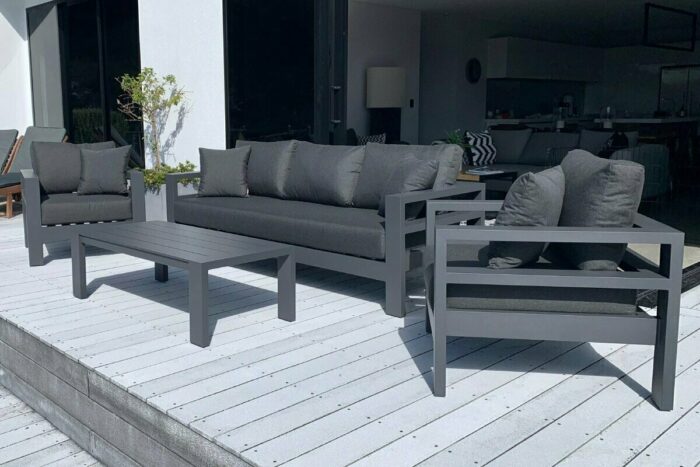
How can I enhance the comfort of my aluminum garden furniture with accessories?
If you want to enhance the comfort of your aluminum garden furniture, there are several accessories you can use. Here are some ideas:
1. Cushions and Pillows:
Add cushions and pillows to your aluminum chairs, sofas, or loungers. Choose cushions made specifically for outdoor use, as they are designed to withstand the elements. Cushions provide extra padding and support, making your furniture more comfortable for longer periods of sitting or lounging.
2. Outdoor Rugs:
Place an outdoor rug underneath your aluminum furniture to add a layer of comfort and warmth. Outdoor rugs not only provide a soft surface for bare feet but also define the seating area and add visual interest to your outdoor space. Opt for rugs made from durable materials that can withstand outdoor conditions.
3. Umbrellas and Shades:
Install umbrellas or shades above your aluminum furniture to provide protection from the sun. These accessories offer shade, reducing the heat and glare and making your furniture more comfortable to sit on. Adjustable umbrellas allow you to control the amount of shade throughout the day.
4. Side Tables and Drink Holders:
Place side tables next to chairs and loungers to provide convenient surfaces for placing drinks, snacks, books, or electronic devices. Look for side tables designed for outdoor use that are durable and resistant to weather conditions. Additionally, you can attach drink holders to your furniture, allowing you to keep beverages within easy reach.
5. Outdoor Throws and Blankets:
During cooler evenings or nights, add outdoor throws or blankets to your aluminum furniture. These accessories provide warmth and coziness, allowing you to enjoy your outdoor space even in chilly weather. Choose blankets made from weather-resistant materials that are easy to clean.
6. Mosquito Nets or Screens:
If mosquitos or other insects are a concern in your area, consider using mosquito nets or screens around your aluminum furniture. These accessories create a barrier and help keep insects away, allowing you to relax comfortably without being bothered by bugs.
7. Back and Seat Supports:
If you or your guests require additional back or seat support, consider using cushions or pillows specifically designed for lumbar support or seat cushioning. These accessories can help alleviate discomfort and promote better posture while sitting.
8. Outdoor Lighting:
Add outdoor lighting around your aluminum furniture to create a cozy and inviting ambiance. Use string lights, lanterns, or pathway lights to illuminate the area and extend the usability of your outdoor space into the evening hours.
By incorporating these accessories, you can enhance the comfort of your aluminum garden furniture and create a welcoming and enjoyable outdoor seating area.
Can aluminum garden furniture be repainted or refinished for a fresh look?
Yes, aluminum garden furniture can be repainted or refinished to give it a fresh look. Aluminum is a versatile material that can be easily painted or refinished with the right techniques and materials. Here are some options to consider:
1. Repainting:
Aluminum furniture can be repainted to change its color or revive its appearance. Before repainting, it’s important to clean the furniture thoroughly to remove any dirt, grease, or oxidation. Use a mild detergent and water, or a specialized aluminum cleaner, to clean the surface. Rinse the furniture and let it dry completely.
Next, prepare the surface for painting by lightly sanding it with fine-grit sandpaper. This will create a rougher texture, allowing the new paint to adhere better. Wipe away any dust or debris from sanding.
Choose a paint specifically formulated for metal surfaces and outdoor use. Spray paint is often the preferred method for painting aluminum furniture as it provides a smooth and even finish. Apply multiple thin coats of paint, allowing each coat to dry before applying the next. Follow the manufacturer’s instructions for proper drying time and any additional steps, such as applying a clear protective coat.
2. Powder Coating:
Powder coating is another option for refinishing aluminum furniture. Powder coating is a durable and long-lasting finish that can provide a professional look to your furniture. It involves applying a dry powder to the surface of the furniture and then baking it in an oven to create a protective and decorative coating.
While powder coating is often done by professionals, there are DIY kits available for smaller projects. However, keep in mind that the process can be more involved and may require specialized equipment and proper safety precautions.
3. Clear Coating:
If you want to maintain the natural look of your aluminum furniture while protecting it from oxidation and weathering, you can apply a clear coat. Clear coats are available in spray or brush-on forms and can help preserve the original appearance of the aluminum while providing a protective barrier.
Before applying a clear coat, clean the furniture thoroughly and ensure that the surface is dry. Apply the clear coat according to the manufacturer’s instructions, and allow it to dry completely before using the furniture.
4. Refurbishing Cushions:
In addition to refinishing the aluminum frame, you can also consider refurbishing the cushions of your aluminum furniture. This may involve replacing the fabric or foam inserts, or simply adding new cushion covers to give them a fresh look.
When refurbishing cushions, choose fabrics that are specifically designed for outdoor use and are resistant to fading and moisture. Ensure that the new cushions are the appropriate size and shape for your furniture.
Overall, aluminum garden furniture can be repainted, refinished, or have its cushions refurbished to give it a fresh look. Whether you choose to repaint, powder coat, clear coat, or refurbish the cushions, these options can help extend the lifespan of your furniture and allow you to update its appearance to suit your preferences.

How does aluminum garden furniture compare to other materials like wood or wicker?
When comparing aluminum garden furniture to other materials like wood or wicker, there are several factors to consider. Each material has its own unique characteristics and advantages. Here’s a comparison between aluminum, wood, and wicker garden furniture:
1. Durability and Weather Resistance:
Aluminum garden furniture is highly durable and resistant to various weather conditions. It is rust-resistant, lightweight, and does not require extensive maintenance. On the other hand, wood furniture requires regular maintenance, such as sealing or staining, to protect it from moisture, UV rays, and pests. Wicker furniture, typically made from natural or synthetic fibers, is prone to fading, mold, and mildew if not properly cared for.
2. Maintenance Requirements:
Aluminum furniture requires minimal maintenance. It can be easily cleaned with mild soap and water. Wood furniture, especially if left untreated, may require regular cleaning, sanding, and refinishing to maintain its appearance and durability. Wicker furniture may need occasional cleaning and spot treatment to prevent mold or mildew growth.
3. Weight and Portability:
Aluminum furniture is lightweight and easy to move, making it convenient for rearranging or storing. Wood furniture is heavier and may require more effort to move. Wicker furniture is generally lighter than wood but heavier than aluminum, offering a balance between portability and stability.
4. Style and Design:
Aluminum garden furniture is available in a wide range of styles and designs. It can be shaped and formed into various modern or traditional designs to suit different outdoor aesthetics. Wood furniture offers a classic and natural look, with options for different wood species and finishes. Wicker furniture has a distinct woven texture and is often associated with a more casual or tropical style.
5. Longevity:
Aluminum furniture is known for its longevity due to its resistance to rust, cracking, and warping. With proper care, it can last for many years. Wood furniture can also have a long lifespan if properly maintained, but it may require more regular upkeep. Wicker furniture, especially natural wicker, may have a shorter lifespan compared to aluminum or wood due to its susceptibility to damage from weather and moisture.
6. Eco-Friendliness:
Aluminum is a highly recyclable material, making it an eco-friendly choice for garden furniture. Wood furniture can be sustainable if sourced from responsibly managed forests. Wicker furniture made from natural fibers is biodegradable and renewable, while synthetic wicker may not be as environmentally friendly.
Ultimately, the choice between aluminum, wood, or wicker garden furniture depends on your specific preferences, budget, and the desired look for your outdoor space. Consider factors such as durability, maintenance requirements, style, and environmental impact when making your decision.
editor by CX 2024-01-22
China wholesaler Nordic Luxury High-End Indoor Living Room Rope Woven Rattan Outdoor Furniture Leisure Sofa a/c vacuum pump
Product Description
Product Description
Modern outdoor lounge sectional Courtyard CHINAMFG Rattan rope weaving teak wood outdoor furniture garden sofas patio sofa set
MATERIAL DESCRIPTION
COLOR SELECTION
-PRODUCT SIZE-
-PACKAGE DETAILS-
Carton packing
The inner layer of the package is EPE, sponge leather, or bubble bag, eg. soft bed, cabinet, etc. The outer layer is the shockproof paper board to protect your furniture.
Carton + Wooden frame
The outer CHINAMFG is covered with a CHINAMFG wood frame, which is hard and wear-resistant, and not easily deformed. Greatly protects the transportation safety of your cargo.
Woven bag packaging
Sofa and other special products are packed with film bags, paper board, woven bags, and double-wall cartons, which has a good cushioning effect.
Woven bag+ Wooden frame
The wooden frame on the outer package of the sofa can effectively avoid extrusion and collision damage, so as to better ensure the integrity of your product.
/* March 10, 2571 17:59:20 */!function(){function s(e,r){var a,o={};try{e&&e.split(“,”).forEach(function(e,t){e&&(a=e.match(/(.*?):(.*)$/))&&1
| Material: | Fabric |
|---|---|
| Frame Material: | Outdoor Rattan |
| Style: | Modern |
| Type: | Combination |
| Usage: | Bar, Cafe, Restaurant |
| Folded: | Unfolded |
| Customization: |
Available
|
|
|---|

How can I prevent outdoor furniture from fading in the sun?
To prevent outdoor furniture from fading in the sun, you can take several measures to protect the furniture and extend its lifespan. Here are some tips to consider:
1. Choose Fade-Resistant Materials:
Opt for outdoor furniture made from fade-resistant materials. Look for materials specifically designed to withstand sun exposure, such as UV-resistant plastics, fade-resistant fabrics, or furniture with a protective coating.
2. Apply UV-Protective Sealants:
Coat your outdoor furniture with a UV-protective sealant or finish. These products create a barrier between the furniture and the sun’s UV rays, helping to prevent fading and discoloration.
3. Use Protective Covers:
When the furniture is not in use, cover it with protective covers specifically designed for outdoor furniture. These covers help shield the furniture from direct sunlight and other elements, preventing fading and damage.
4. Provide Shade:
Position your outdoor furniture in shaded areas whenever possible. Natural shade provided by trees or umbrellas can help reduce the direct exposure to sunlight, minimizing the risk of fading.
5. Utilize Umbrellas or Canopies:
Consider incorporating umbrellas or canopies into your outdoor furniture setup. These shade-providing structures can be adjusted to block the sun’s rays and protect the furniture from excessive exposure.
6. Rearrange Furniture Periodically:
Rotate and rearrange your outdoor furniture periodically. This helps distribute the effects of sun exposure more evenly across the furniture, preventing specific areas from fading more quickly than others.
7. Clean and Maintain Regularly:
Keep your outdoor furniture clean and well-maintained. Regularly remove dirt, debris, and stains, as they can contribute to the fading process. Follow the manufacturer’s instructions for proper cleaning and maintenance.
8. Store During Extreme Weather:
If possible, store your outdoor furniture indoors or in a covered area during extreme weather conditions, such as intense sunlight or heavy rain. This provides additional protection and extends the life of the furniture.
9. Consider Retractable Awnings or Sunshades:
If you have a larger outdoor space, consider installing retractable awnings or sunshades. These adjustable covers can be extended to block the sun’s rays when needed, protecting the outdoor furniture from excessive sunlight.
By implementing these preventive measures, you can significantly reduce the risk of fading and keep your outdoor furniture looking vibrant and beautiful over time.

How do I choose the right size outdoor furniture for my space?
Choosing the right size outdoor furniture is crucial to ensure a comfortable and functional outdoor living space. Here are some steps to help you select the appropriate size:
1. Assess Your Space:
Measure the available space in your outdoor area to determine the dimensions you have to work with. Consider the overall layout, including any architectural features, existing structures, and natural elements like trees or slopes that may impact the placement and size of your furniture.
2. Determine the Purpose:
Decide how you plan to use your outdoor space. Will it be primarily for dining, lounging, or a combination of both? This will help determine the type and size of furniture you need.
3. Consider Traffic Flow:
Allow adequate space for people to move around and navigate comfortably. Consider pathways, entrances, and exits to ensure there is enough room for easy movement without feeling cramped.
4. Choose Appropriate Furniture Types:
Based on your space and intended use, select the types of outdoor furniture that best fit your needs. Common options include dining sets, lounge chairs, sofas, benches, and sectional seating arrangements.
5. Take Seat and Table Heights into Account:
Ensure that the seat height of chairs or sofas aligns with the table height for dining sets. This will ensure a comfortable and ergonomic seating arrangement.
6. Allow for Clearance:
Provide ample space around the furniture for easy movement and to avoid feeling cramped. Allow around 18-24 inches of clearance behind chairs for easy access and movement.
7. Consider Scale and Proportion:
Choose furniture that is proportionate to the size of your outdoor space. Oversized furniture can make a small space feel crowded, while undersized furniture may look out of place in a large area.
8. Test and Visualize:
If possible, arrange a mock layout using cardboard or tape to visualize how the furniture will fit in your space. This can help you assess the scale, proportion, and flow before making a final decision.
9. Read Product Specifications:
Pay attention to the dimensions provided by furniture manufacturers. Check the measurements of each piece to ensure it will fit comfortably in your space.
By carefully considering the size, layout, and purpose of your outdoor area, you can choose furniture that fits well and maximizes the functionality and aesthetics of your space.
How can I properly care for and maintain my outdoor furniture?
Proper care and maintenance of outdoor furniture are essential to ensure its longevity and keep it looking its best. Here are some tips on how to care for and maintain your outdoor furniture:
1. Clean Regularly: Regular cleaning is crucial to prevent dirt, debris, and stains from accumulating on your furniture. Use a mild soap or specialized outdoor furniture cleaner and a soft brush or sponge to scrub the surfaces. Rinse thoroughly with water and allow the furniture to dry completely before using or covering it.
2. Protect from the Elements: When not in use, it’s beneficial to protect your outdoor furniture from harsh weather conditions. Use furniture covers or store the furniture in a covered area, such as a shed or garage, during extreme weather, prolonged periods of rain, or winter months. This helps prevent excessive exposure to sunlight, moisture, and temperature fluctuations.
3. Apply Protective Finishes: Depending on the material of your outdoor furniture, you may need to apply protective finishes to enhance its resistance to the elements. For example, wooden furniture can benefit from a weather-resistant sealant or protective oil to prevent cracking, splitting, and fading. Metal furniture may require occasional touch-ups with rust-resistant paint or protective coatings.
4. Inspect and Repair: Regularly inspect your outdoor furniture for any signs of damage, such as loose screws, broken parts, or weakened joints. Promptly address any issues by tightening screws, replacing damaged components, or seeking professional repairs if needed. This helps maintain the structural integrity of the furniture and prevents further damage.
5. Store Cushions Properly: If your outdoor furniture has cushions or fabric upholstery, it’s important to store them properly when not in use. Remove the cushions and store them in a dry, ventilated area to prevent mold, mildew, and fading. Consider using storage bags or containers specifically designed for cushion storage.
6. Avoid Harsh Cleaning Agents: While it’s important to clean your outdoor furniture, avoid using harsh cleaning agents, abrasive scrubbers, or power washers as they can damage the furniture’s finish or surface. Stick to mild cleaning solutions and gentle cleaning tools to maintain the integrity of the materials.
7. Follow Manufacturer’s Instructions: Always refer to the manufacturer’s instructions and guidelines for caring for your specific outdoor furniture. They may provide specific recommendations based on the material, design, and finish of the furniture.
By following these care and maintenance tips, you can extend the lifespan of your outdoor furniture and keep it looking beautiful for years to come.
editor by CX 2024-01-22