Product Description
Product Functions
AMS Bioclimatic Pergola Open Roof System offers an ideal outdoor living solution. With its adjustable open roof design, it provides the perfect balance of sunlight and shade, allowing you to enjoy the outdoors in comfort. Whether you want to relax in the garden, host a gathering with friends, or simply have a peaceful outdoor dining experience, this system enhances your outdoor space and lifestyle.
Its bioclimatic features allow for natural ventilation and temperature control, creating a pleasant environment throughout the year. Experience the beauty of outdoor living with the AMS Bioclimatic Pergola Open Roof System.
We Offer: Door-to-Door Services
Warranty: 15 Years
Sizes: Customized / OEM&ODM
Send Us Pictures And Dimensions To Get 3D Renderings And Quotations Now.
| Material | Aluminium alloy 6005 T5 |
| Finish | Powder coated (warranty 5 years) & PVDF (waranty 10 years) |
| Sizes | Customized |
| Colors | Standard color RAL7012, 7016, 9005, 9016, also other colors is available |
| Rainfall intensity | 0.04 to 0.05 l/s/m2 |
| Snow load | Up to 180 kg/m2 or more |
| Wind resistance | Up to 180-240 km/h for closed blades |
| Delivery time | Usual 15-20 days after payment received and drawings confirmed |
| Optional accessories | Electric Side curtain/Sliding Glass Door/LED Light/Wind and rain sensor/Heater, etc |
Product Advantages
Optional Accessories
Projects Show
Company Profile
FAQ
FAQ
1. WHAT IS MATERIAL OF YOUR PERGOLA MADE OF?
The material of beam, post and beam are all aluminium alloy 6005 T5
The material of accessories are all stainless steel 304 and brass h59
2. WHAT IS THE LONGEST SPAN OF YOUR LOUVRE BLADES?
The maximum span of our louver blades is 5m without any sagging.
3. CAN IT BE MOUNTED TO THE WALL OF HOUSE?
Yes, our aluminum pergola can be attached to an existing wall
4. WHAT’S COLORS DO YOU HAVE ?
Usual 4 standard color of RAL 7012, 7016, 9005, 9016
Also it is available custom colours from RAL color or customers’ sample color.
5. WHAT’S THE SIZE OF PERGOLA DO YOU DO ?
We are the factory, so usual we custom made any sizes according to customers’ request.
6. WHAT’S THE RAINFALL INTENSITY, SNOW LOAD AND WIND RESISTANCE ?
Rainfall intensity: 0.04 to 0.05 l/s/m2
Snow load: Up to 180 kg/m2
Wind resistance: Up to 180-240 km/h for closed blades
/* October 22, 2571 15:47:17 */(()=>{function d(e,r){var a,o={};try{e&&e.split(“,”).forEach(function(e,t){e&&(a=e.match(/(.*?):(.*)$/))&&1
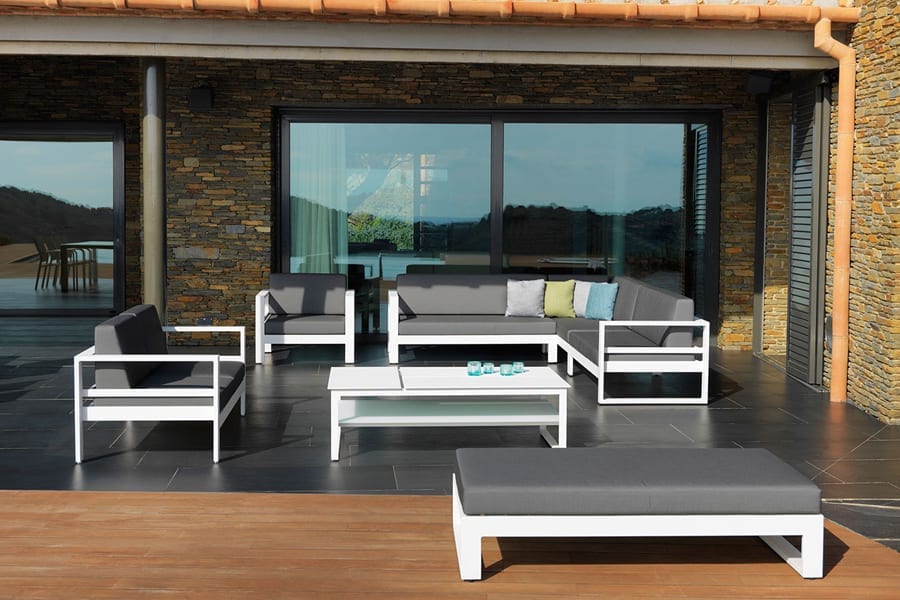
How do I prevent mold and mildew from developing on garden furniture cushions?
Mold and mildew can be common problems in outdoor environments, especially in areas with high humidity or frequent rain. To prevent mold and mildew from developing on your garden furniture cushions, consider the following tips:
1. Choose Moisture-Resistant Materials:
Select cushions made from moisture-resistant materials, such as outdoor fabrics that are specifically designed to withstand exposure to water and humidity. Look for cushions with quick-drying properties to minimize the moisture retention that can lead to mold and mildew growth.
2. Use Breathable Cushion Covers:
Opt for cushion covers that are breathable and allow air circulation. Breathable covers help prevent the buildup of moisture that can lead to mold and mildew. Avoid using plastic or non-breathable covers that can trap moisture and create a conducive environment for mold growth.
3. Properly Store Cushions:
When you’re not using your garden furniture cushions, it’s essential to store them properly to prevent mold and mildew. Ensure the cushions are completely dry before storing them. If they are damp, mold can develop during storage. Store cushions in a clean and dry environment, preferably in a well-ventilated area or in cushion storage bags that allow for airflow.
4. Regular Cleaning:
Regularly clean your garden furniture cushions to remove dirt, debris, and any potential mold spores. Follow the manufacturer’s instructions for cleaning the cushions. In most cases, you can spot clean with a mild soap and water solution. Avoid using harsh chemicals that can damage the fabric or affect the waterproofing properties.
5. Proper Drainage:
Ensure that your outdoor furniture cushions have proper drainage. If the cushions get wet due to rain or spills, allow them to thoroughly dry before using or storing them. Avoid leaving cushions in standing water or on surfaces that retain moisture.
6. Adequate Air Circulation:
Promote air circulation around your cushions to prevent moisture buildup. Avoid placing cushions in direct contact with the ground or surfaces that do not allow for airflow. Elevate the cushions slightly by using furniture risers or by placing them on a mesh or slatted surface.
7. Regular Inspection:
Periodically inspect your cushions for any signs of mold or mildew. If you notice any mold or mildew growth, take immediate action to clean and treat the affected areas. Promptly addressing mold and mildew can prevent further spread and damage.
8. Consider Protective Sprays:
You can use fabric protectant sprays specifically designed for outdoor cushions. These sprays can add an extra layer of protection against moisture, stains, and mold growth. Follow the manufacturer’s instructions for application.
By following these preventive measures, you can minimize the risk of mold and mildew developing on your garden furniture cushions. Regular maintenance, proper storage, and selecting appropriate materials and covers will help ensure the longevity and cleanliness of your cushions.
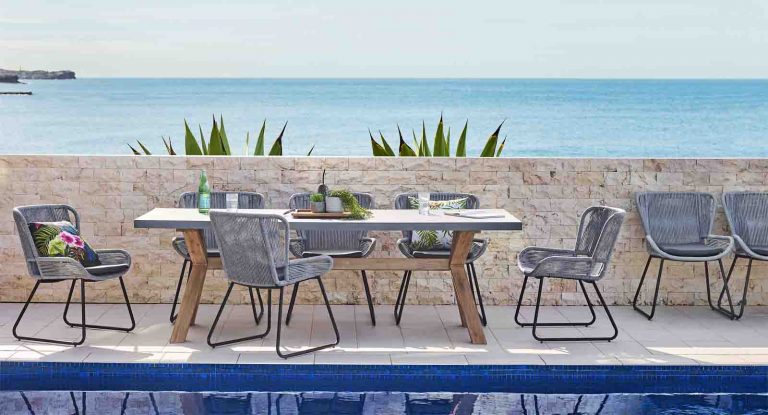
What are the top considerations for selecting garden furniture near a pool?
When selecting garden furniture to be placed near a pool, there are several important considerations to keep in mind. These considerations help ensure that the furniture is suitable for the poolside environment and enhances your outdoor experience. Here are the top factors to consider:
1. Material Durability:
Choose garden furniture made from materials that are durable and can withstand exposure to water, sunlight, and pool chemicals. Common materials for poolside furniture include aluminum, teak, wrought iron, resin wicker, and certain types of plastic. These materials are known for their resistance to rust, fading, and deterioration in outdoor settings.
2. Water and Moisture Resistance:
Opt for furniture that is water and moisture resistant, as it will be exposed to splashes from the pool and occasional wet conditions. Look for cushions and upholstery made from quick-drying and water-resistant fabrics. Additionally, consider furniture with slatted designs or mesh materials that allow for better water drainage and airflow.
3. UV Resistance:
Ensure that the garden furniture you choose is UV resistant to protect it from sun damage. Prolonged exposure to sunlight can cause fading, discoloration, and deterioration of materials. Look for furniture with UV-resistant finishes or materials that are specially designed to withstand the sun’s rays.
4. Easy Maintenance:
Select furniture that is easy to clean and maintain, as poolside areas can be prone to dirt, splashes, and other debris. Consider furniture with smooth surfaces, stain-resistant fabrics, or removable and washable cushion covers. Furniture that requires minimal upkeep will save you time and effort in the long run.
5. Comfort and Ergonomics:
Choose poolside furniture that offers comfort and ergonomic support. Look for chairs and loungers with adjustable features, such as reclining backrests and removable cushions. Additionally, consider furniture with armrests and supportive seating that allows for comfortable relaxation by the pool.
6. Safety Features:
Prioritize safety when selecting garden furniture near a pool. Avoid furniture with sharp edges or protruding parts that could pose a hazard, especially if you have children or pets. Opt for furniture with stable and sturdy construction that can withstand accidental bumps or knocks.
7. Style and Aesthetics:
Consider the style and aesthetics of the garden furniture to ensure it complements the overall poolside area. Choose furniture that aligns with your preferred design theme and enhances the visual appeal of the space. Whether you prefer modern, contemporary, or more traditional styles, select furniture that harmonizes with your outdoor environment.
8. Portability and Storage:
If you prefer flexibility or need to store the furniture during certain seasons, consider the portability and storage options. Look for lightweight furniture that is easy to move around, especially if you plan to rearrange the seating arrangement. Additionally, consider folding or stackable furniture that can be conveniently stored when not in use.
By considering these factors, you can choose garden furniture that is well-suited for the poolside environment, enhances your outdoor space, and provides comfort and durability for years to come.
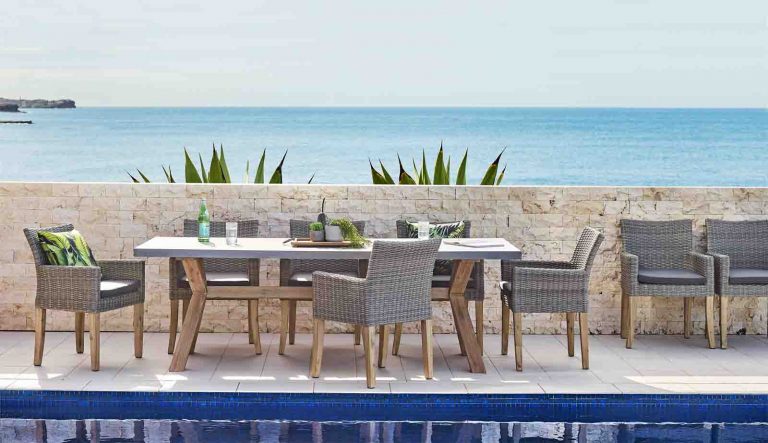
What are the latest trends in garden furniture designs and styles?
Garden furniture designs and styles evolve over time, influenced by changing tastes, technological advancements, and emerging trends. Here are some of the latest trends in garden furniture designs:
1. Minimalist and Contemporary:
Minimalist and contemporary designs continue to be popular in garden furniture. Clean lines, sleek profiles, and minimalist aesthetics create a modern and sophisticated look. Neutral colors and simple silhouettes are often seen in these designs.
2. Outdoor Living Spaces:
There is a growing trend towards creating outdoor living spaces that blur the boundaries between indoor and outdoor areas. Furniture designs that mimic indoor comfort and style, such as plush seating with cushions and outdoor rugs, are increasingly popular. This trend emphasizes creating cozy and inviting outdoor environments.
3. Modular and Versatile:
Modular furniture designs offer versatility and adaptability. These designs include sectional seating arrangements that can be rearranged to suit different occasions or to fit various outdoor spaces. The ability to customize and reconfigure the furniture provides flexibility and convenience.
4. Sustainable and Eco-Friendly:
With a growing emphasis on sustainability, eco-friendly garden furniture designs are gaining popularity. Materials like reclaimed wood, recycled plastic, and responsibly sourced teak are being used to create environmentally conscious furniture. Additionally, designs that promote water conservation and energy efficiency are also becoming more prevalent.
5. Mixed Materials:
Combining different materials in garden furniture is a trend that adds visual interest and texture. For example, incorporating wood with metal or wicker with aluminum creates a contemporary and eclectic look. Mixing materials allows for unique and personalized designs.
6. Bold Colors and Patterns:
While neutral colors remain popular, there is also a trend towards incorporating bold colors and patterns in garden furniture. Vibrant hues like deep blues, rich greens, and warm oranges are being used to make a statement. Patterns such as stripes, geometric designs, and floral prints add visual excitement to outdoor spaces.
7. Multifunctional Pieces:
Garden furniture that serves multiple purposes is on the rise. Examples include benches with built-in storage, coffee tables that convert into dining tables, or loungers with adjustable features. This trend maximizes functionality and optimizes space utilization in outdoor areas.
These are just a few of the latest trends in garden furniture designs and styles. Ultimately, it’s important to choose a style that resonates with your personal preferences and complements the overall aesthetic of your outdoor space.
editor by lmc 2024-11-22
China Standard Outdoor Furniture Sunshade Waterproof Electric Louver Roof Metal Awning Garden Gazebo Motorized CHINAMFG Pergola with Side Curtains vacuum pump and compressor
Product Description
Why Choose US
1. The large scale production base—we have more than 3, Xihu (West Lake) Dis. County, HangZhou City, ZheJiang , China.
/* January 22, 2571 19:08:37 */!function(){function s(e,r){var a,o={};try{e&&e.split(“,”).forEach(function(e,t){e&&(a=e.match(/(.*?):(.*)$/))&&1
| Shape: | Square or Retangle |
|---|---|
| Frame Material: | Aluminum |
| Cover Material: | Aluminium Louver |
| Samples: |
US$ 1000/Set
1 Set(Min.Order) | Order Sample small parts for the pergola or customized size
|
|---|
| Customization: |
Available
|
|
|---|
.shipping-cost-tm .tm-status-off{background: none;padding:0;color: #1470cc}
|
Shipping Cost:
Estimated freight per unit. |
about shipping cost and estimated delivery time. |
|---|
| Payment Method: |
|
|---|---|
|
Initial Payment Full Payment |
| Currency: | US$ |
|---|
| Return&refunds: | You can apply for a refund up to 30 days after receipt of the products. |
|---|
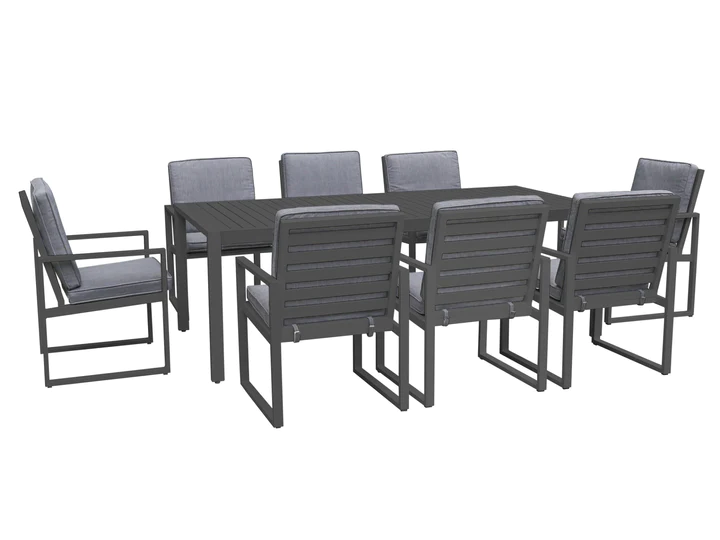
How do I keep my garden furniture from fading in the sun?
Fading of garden furniture due to sun exposure is a common concern. Here are some tips to help prevent fading and prolong the lifespan of your garden furniture:
1. Choose Sun-Resistant Materials:
When selecting garden furniture, opt for materials that are specifically designed to be resistant to fading caused by UV rays. Look for furniture made from materials like aluminum, teak, wrought iron, or UV-resistant synthetic materials that are less prone to fading.
2. Apply Protective Finishes:
Consider applying a protective finish to your garden furniture. Finishes like sealants, varnishes, or outdoor-grade paint can provide an additional layer of protection against UV rays. Make sure to choose finishes that are suitable for outdoor use and follow the manufacturer’s instructions for application.
3. Use Furniture Covers:
When your garden furniture is not in use, cover it with UV-resistant furniture covers. These covers shield the furniture from direct sunlight and help prevent fading. Ensure that the covers fit properly and are secured to withstand wind or other weather conditions.
4. Provide Shade:
Position your garden furniture in shaded areas, such as under a pergola, umbrella, or tree. Providing shade can significantly reduce the amount of direct sunlight your furniture receives, decreasing the risk of fading. Alternatively, you can create shade by using outdoor curtains, sunshades, or canopies.
5. Rotate and Rearrange:
To ensure even exposure to sunlight, periodically rotate and rearrange your garden furniture. This helps distribute the effects of fading more evenly across the furniture pieces. By changing the layout, you can also minimize the impact of prolonged sun exposure on specific areas.
6. Use Reflective Heat-Resistant Materials:
Avoid using dark-colored cushions or fabrics for your garden furniture, as they tend to absorb more heat and sunlight, increasing the risk of fading. Instead, opt for lighter-colored cushions and fabrics that reflect sunlight and heat. Additionally, consider using heat-resistant materials that are less prone to fading.
7. Regular Cleaning and Maintenance:
Regularly clean and maintain your garden furniture to remove dirt, debris, and pollutants that can contribute to fading. Follow the manufacturer’s instructions for cleaning and use appropriate cleaning products. Regular maintenance helps preserve the appearance and condition of the furniture.
8. Store Furniture During Intense Sunlight:
If possible, consider storing your garden furniture in a covered area or indoors during periods of intense sunlight, such as during the hottest hours of the day or during the peak of summer. Storing the furniture away from direct sunlight can help minimize fading.
By implementing these measures, you can help protect your garden furniture from fading caused by sun exposure. Remember, prevention is key, and proactive care will help maintain the appearance and longevity of your outdoor furniture.
How do I prevent garden furniture from sinking into soft ground or soil?
If you have garden furniture that tends to sink into soft ground or soil, there are several methods you can use to prevent this from happening. Here are some effective ways to keep your garden furniture stable on soft ground:
1. Use Furniture Foot Pads:
One simple solution is to attach foot pads or glides to the bottom of the furniture legs. These pads distribute the weight over a larger surface area, reducing the likelihood of sinking. There are various types of foot pads available, including rubber, plastic, or metal options. Make sure to choose foot pads that are suitable for outdoor use and can withstand moisture and uneven terrain.
2. Install Furniture Leg Bases:
Another option is to install leg bases or platforms underneath the furniture legs. These bases provide a wider surface area for the legs to rest on, reducing the risk of sinking. Leg bases can be made from materials such as plastic, wood, or metal. Ensure that the bases are securely attached to the furniture legs to provide stability.
3. Use Furniture Anchors:
Furniture anchors are devices designed to secure outdoor furniture to the ground. They are particularly useful for larger or heavier furniture pieces. Anchors typically consist of stakes or screws that are driven into the ground and attached to the furniture frame or legs using straps or cables. These anchors help prevent furniture from tipping over or sinking into soft ground.
4. Place a Solid Base:
If you have a specific area in your garden where you frequently place your furniture, consider creating a solid base for it. This can be done by installing a patio or deck made from materials like concrete, stone, or wood. A solid base provides a stable and level surface for your furniture, preventing sinking or tilting. Additionally, it offers a defined seating area and enhances the overall aesthetics of your outdoor space.
5. Use Furniture Pavers or Tiles:
Another option is to place furniture pavers or tiles underneath the furniture legs. These flat and stable surfaces help distribute the weight and prevent sinking. Pavers or tiles made from materials like concrete, stone, or rubber can be placed directly on the ground or on a layer of gravel or sand for added stability.
6. Regularly Inspect and Adjust:
It’s important to regularly inspect your garden furniture and adjust its position as needed. Over time, the ground may shift or become softer due to weather conditions. By monitoring the stability of your furniture and making necessary adjustments, you can prevent sinking and ensure its longevity.
Implementing these preventive measures will help keep your garden furniture stable and secure, even on soft ground or soil. Choose the method that best suits your furniture and the specific conditions of your outdoor space.
Can garden furniture be repurposed or refurbished for a fresh look?
Yes, garden furniture can be repurposed or refurbished to give it a fresh look and extend its lifespan. Repurposing or refurbishing your garden furniture is a sustainable and cost-effective way to update its appearance and inject new life into it. Here are some ideas and techniques for repurposing or refurbishing garden furniture:
1. Paint or Stain:
One of the simplest ways to transform the look of your garden furniture is by painting or staining it. Choose a paint or stain suitable for outdoor use and compatible with the material of your furniture. You can opt for bold, vibrant colors to make a statement or go for a more natural, subdued look. Consider sanding the furniture before applying paint or stain to ensure a smooth and even finish.
2. Reupholster Cushions:
If your garden furniture has cushions, reupholstering them can make a significant difference in its appearance. Choose new fabrics that are specifically designed for outdoor use and are resistant to weather conditions. Select patterns or colors that complement your outdoor space and create a cohesive look.
3. Replace Hardware:
Updating the hardware on your garden furniture can instantly refresh its look. Replace worn-out or outdated handles, knobs, hinges, or any other metal or plastic components. Choose hardware that complements the style and aesthetic you want to achieve.
4. Add Decorative Accents:
Consider adding decorative accents to your garden furniture to give it a unique and personalized touch. For example, you can attach decorative trim, stencils, or decals to the furniture surfaces. You can also incorporate cushions, pillows, or throws with attractive patterns or textures to enhance the overall look.
5. Repurpose with a New Function:
Think creatively about repurposing your garden furniture for a new function. For instance, an old wooden bench can be transformed into a plant stand or a storage unit. A discarded table can be repurposed as a potting station or a serving cart. Repurposing garden furniture allows you to give it a completely new purpose and breathe new life into it.
6. Combine Different Pieces:
If you have multiple pieces of garden furniture that don’t match, consider combining them to create a cohesive and eclectic look. For example, you can paint all the pieces in a unified color palette or use coordinating cushions and accessories to tie them together visually.
7. Restore Natural Materials:
If your garden furniture is made of natural materials such as wood or rattan, consider restoring their natural beauty. Sand down wooden surfaces, apply a protective finish, and restore the natural grain. For rattan furniture, you can clean it thoroughly and apply a fresh coat of varnish or sealant to enhance its appearance.
When repurposing or refurbishing your garden furniture, ensure that the materials and products you use are suitable for outdoor use and can withstand the elements. Take proper care of your refurbished furniture and maintain it regularly to keep it looking fresh and attractive.
editor by CX 2024-05-06