Product Description
China Garden Patio Furniture CHINAMFG Outdoor Sofa Set Furniture
We are a professional manufacturer of outdoor furniture with more than 20 years of experience. Extensive OEM experience gives us the ability to complete your design with simple drawings or pictures.
In every department of our factory have professional quality inspection personnel, they will check every small parts, only achieve the standard parts can flow into the next department, so as to maximize the reduction of defective. Even so, we
have a professional full inspection careful check of the product before packing, in the case of ensure that the product qualified finished packing and waiting for the shipment.
Professional powder coating line strictly controls the CHINAMFG temperature, ensure the stability of product color and powder adhesion. The diversified wood grain color of manual brush is the feature of our factory. The workers brush out the ideal wood grain by hands. The finished product is absolutely thought to be natural wood if you do not touch and knock, to
achieve the effect of wood imitation with aluminum.
We have professional weaving workers those whom with decades of experience, and the woven products are close and smooth. Our factory requires that the products must be woven with long rattan material, to reduce nailing as much as possible. Although the production schedule will be slowed down a lot, it increases the firmness and durability of the
products.
A perfect product is also inseparable from the quality of the packaging. We have various ways of packing, just like normal carton box, dolly pack, shaped box packing etc. We will help customers to save the transportation space base on the perfect protect productions and do our best to save our customers transportation costs.
Our sales team has more than 15 years of experience of outdoor furniture, and understands every production process; we
can solve all kinds of professional problems for you and answer your questions in time. We will give professional suggestion and information to help you choose the right styles. We also provide high resolution photos service and detail photos for
your close checking your orders from beginning producing to loading container.
We have established long term business with more than 30 raw material suppliers. We have an efficient supply chain management system to make sure the delivery on time. We focus on producing outdoor furniture, but also supply Sun-umbrella, bean bags, hammock etc. to support with one-stop shopping service to save your time and cost.
/* March 10, 2571 17:59:20 */!function(){function s(e,r){var a,o={};try{e&&e.split(“,”).forEach(function(e,t){e&&(a=e.match(/(.*?):(.*)$/))&&1
| Material: | Aluminum+Polyester Rope |
|---|---|
| Frame Material: | Aluminum |
| Style: | Modern |
| Type: | Combination |
| Usage: | Bar, Cafe, Restaurant, Hotel |
| Folded: | Unfolded |
| Samples: |
US$ 650/Set
1 Set(Min.Order) | |
|---|
| Customization: |
Available
|
|
|---|
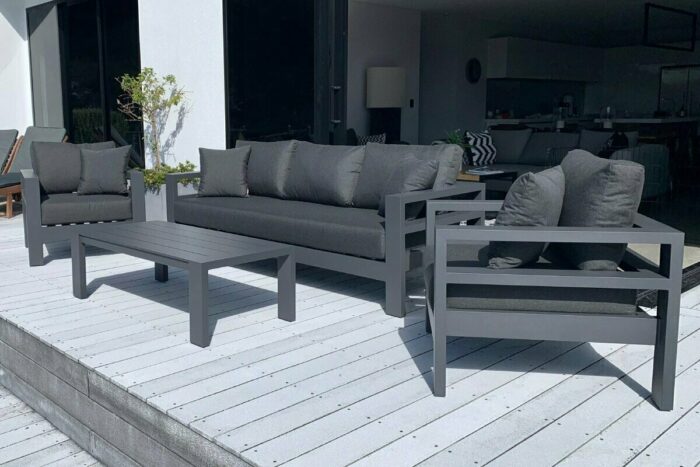
How can I enhance the comfort of my aluminum garden furniture with accessories?
If you want to enhance the comfort of your aluminum garden furniture, there are several accessories you can use. Here are some ideas:
1. Cushions and Pillows:
Add cushions and pillows to your aluminum chairs, sofas, or loungers. Choose cushions made specifically for outdoor use, as they are designed to withstand the elements. Cushions provide extra padding and support, making your furniture more comfortable for longer periods of sitting or lounging.
2. Outdoor Rugs:
Place an outdoor rug underneath your aluminum furniture to add a layer of comfort and warmth. Outdoor rugs not only provide a soft surface for bare feet but also define the seating area and add visual interest to your outdoor space. Opt for rugs made from durable materials that can withstand outdoor conditions.
3. Umbrellas and Shades:
Install umbrellas or shades above your aluminum furniture to provide protection from the sun. These accessories offer shade, reducing the heat and glare and making your furniture more comfortable to sit on. Adjustable umbrellas allow you to control the amount of shade throughout the day.
4. Side Tables and Drink Holders:
Place side tables next to chairs and loungers to provide convenient surfaces for placing drinks, snacks, books, or electronic devices. Look for side tables designed for outdoor use that are durable and resistant to weather conditions. Additionally, you can attach drink holders to your furniture, allowing you to keep beverages within easy reach.
5. Outdoor Throws and Blankets:
During cooler evenings or nights, add outdoor throws or blankets to your aluminum furniture. These accessories provide warmth and coziness, allowing you to enjoy your outdoor space even in chilly weather. Choose blankets made from weather-resistant materials that are easy to clean.
6. Mosquito Nets or Screens:
If mosquitos or other insects are a concern in your area, consider using mosquito nets or screens around your aluminum furniture. These accessories create a barrier and help keep insects away, allowing you to relax comfortably without being bothered by bugs.
7. Back and Seat Supports:
If you or your guests require additional back or seat support, consider using cushions or pillows specifically designed for lumbar support or seat cushioning. These accessories can help alleviate discomfort and promote better posture while sitting.
8. Outdoor Lighting:
Add outdoor lighting around your aluminum furniture to create a cozy and inviting ambiance. Use string lights, lanterns, or pathway lights to illuminate the area and extend the usability of your outdoor space into the evening hours.
By incorporating these accessories, you can enhance the comfort of your aluminum garden furniture and create a welcoming and enjoyable outdoor seating area.
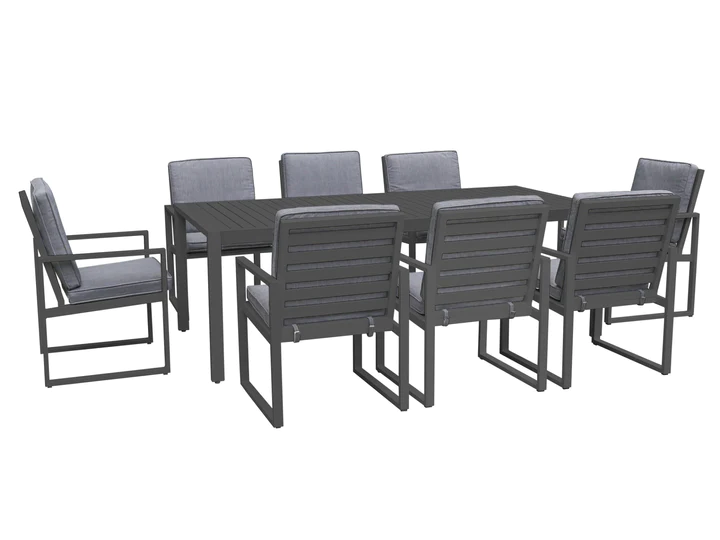
How do I secure aluminum garden furniture to prevent it from tipping over in strong winds?
To prevent aluminum garden furniture from tipping over in strong winds, there are several measures you can take to secure it effectively. Here are some methods to consider:
1. Anchor with Weights:
One of the simplest ways to secure your aluminum garden furniture is by using weights or anchors. This method involves attaching heavy objects to the furniture to increase its stability and prevent tipping. You can use sandbags, concrete blocks, or specially designed furniture weights. Place the weights on the base or legs of the furniture to provide additional stability.
2. Tie-Down Straps:
Using tie-down straps is another effective method to secure your aluminum garden furniture. These straps are typically made of durable materials like nylon or polyester and have adjustable buckles or hooks. Attach one end of the strap to the furniture and the other end to a stable structure such as a wall, fence, or ground anchor. Tighten the straps to ensure the furniture is securely fastened.
3. Ground Stakes:
If your aluminum furniture has legs or a base that can be inserted into the ground, using ground stakes can provide stability. Ground stakes are long, pointed rods that can be driven into the ground next to the furniture legs or base. This helps anchor the furniture and prevent it from tipping over in strong winds. Ensure that the stakes are securely inserted and tightly hold the furniture in place.
4. Wind Clips or Straps:
Wind clips or straps are designed specifically to secure outdoor furniture in windy conditions. These clips or straps attach to the furniture and anchor it to the ground or another stable surface. They often come with adjustable features to accommodate different furniture shapes and sizes, providing a secure connection.
5. Store or Seek Shelter:
In extreme weather conditions, such as storms or hurricanes, it may be best to store your aluminum garden furniture indoors or in a secure storage area. If indoor storage is not possible, consider seeking shelter for the furniture, such as a covered patio, gazebo, or shed. This can provide protection from strong winds and reduce the risk of tipping.
It’s important to assess the specific needs and design of your aluminum garden furniture when choosing a method to secure it. Additionally, always follow manufacturer recommendations and guidelines for securing your furniture, as they may provide specific instructions based on the design and construction of the furniture.
By implementing these measures, you can help ensure that your aluminum garden furniture remains stable and secure even in the face of strong winds, reducing the risk of damage or accidents.
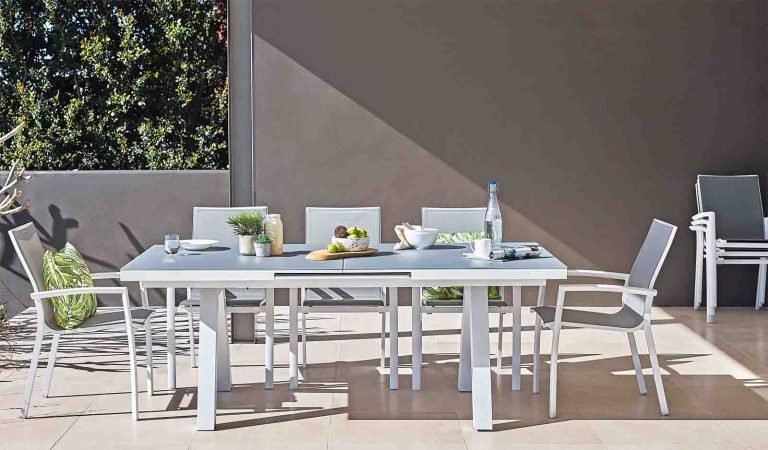
What are the benefits of choosing aluminum garden furniture for outdoor spaces?
Choosing aluminum garden furniture for outdoor spaces offers several benefits. Aluminum is a popular material for outdoor furniture due to its unique characteristics and advantages. Here are some of the benefits of choosing aluminum garden furniture:
1. Lightweight and Easy to Move:
One of the significant advantages of aluminum garden furniture is its lightweight nature. Aluminum is much lighter than materials like iron or steel, making it easy to move and rearrange the furniture as needed. This lightweight property is especially beneficial if you frequently rearrange your outdoor space or need to store the furniture during certain seasons.
2. Rust-Resistant:
Aluminum is naturally rust-resistant, which makes it an excellent choice for outdoor furniture. Unlike iron or steel, which may require regular maintenance to prevent rust, aluminum does not rust. This resistance to rust ensures that your aluminum furniture can withstand exposure to various weather conditions, including rain and humidity, without corroding.
3. Durable and Long-Lasting:
Aluminum garden furniture is known for its durability and longevity. It is a sturdy material that can withstand the rigors of outdoor use. Aluminum furniture is resistant to cracking, warping, and bending, ensuring that it maintains its structural integrity over time. With proper care and maintenance, aluminum furniture can last for many years, providing you with long-lasting enjoyment.
4. Low Maintenance:
Another advantage of aluminum garden furniture is its low maintenance requirements. Unlike wooden furniture that may require staining or sealing, or iron furniture that may need regular painting or coating, aluminum furniture is relatively easy to maintain. It can be cleaned with mild soap and water or a gentle household cleaner. Additionally, aluminum furniture does not require any specific treatments or coatings to maintain its appearance and durability.
5. Versatile Design Options:
Aluminum garden furniture is available in a wide range of design options to suit various tastes and styles. Whether you prefer a modern, contemporary look or a more traditional aesthetic, you can find aluminum furniture that fits your outdoor space. Aluminum can be shaped and formed into different styles and designs, allowing for versatility in the appearance of the furniture.
6. Environmentally Friendly:
Aluminum is a highly recyclable material, making it an environmentally friendly choice for garden furniture. Choosing aluminum furniture supports sustainable practices by reducing the demand for new materials and minimizing waste. Additionally, aluminum furniture can be recycled at the end of its life cycle, further reducing its environmental impact.
Overall, aluminum garden furniture offers numerous benefits, including lightweight portability, rust resistance, durability, low maintenance, versatile design options, and environmental friendliness. These advantages make aluminum an attractive option for outdoor spaces, allowing you to create a stylish and long-lasting outdoor seating area.
editor by CX 2023-12-26
China wholesaler Outdoor Desk-Chair Courtyard Open-Air Balcony Garden Villa CHINAMFG Alloy Leisure Chairs Chamber Foreign Minister Table with Great quality
Product Description
HangZhou Zixuan Furniture Co., Ltd. is a factory specializing in the production of outdoor furniture. It has nearly 20 years of experience in the production of outdoor furniture. There are some experienced teachers in the factory. They are very professional and have guaranteed quality. We can customize them. If you have pictures, we can produce them. Welcome to contact us. We are very confident that we can make your order. Welcome to inquire! Price gives you very affordable price and guaranteed quality products! If necessary, you can send a picture inquiry! We very much welcome you to visi
/* March 10, 2571 17:59:20 */!function(){function s(e,r){var a,o={};try{e&&e.split(“,”).forEach(function(e,t){e&&(a=e.match(/(.*?):(.*)$/))&&1
| Material: | Rattan / Wicker |
|---|---|
| Style: | Simple |
| Usage: | Bar, Hotel, Dining Room, Outdoor |
| Samples: |
US$ 248/Piece
1 Piece(Min.Order) | Order Sample |
|---|
| Customization: |
Available
|
|
|---|
.shipping-cost-tm .tm-status-off{background: none;padding:0;color: #1470cc}
|
Shipping Cost:
Estimated freight per unit. |
about shipping cost and estimated delivery time. |
|---|
| Payment Method: |
|
|---|---|
|
Initial Payment Full Payment |
| Currency: | US$ |
|---|
| Return&refunds: | You can apply for a refund up to 30 days after receipt of the products. |
|---|
editor by CX 2023-12-26
China manufacturer Leisure Luxury Metal High Bar Furniture Rattan CHINAMFG Garden Bar Table a/c vacuum pump
Product Description
HangZhou Dezheng Outdoor Co.,Ltd is located in HangZhou City, ZheJiang Province which is less than 1 hour driving to HangZhou. We are a professional company cooperate with long-term associate factories concentrate on furniture only which has a wide range of products such as aluminum furniture, rattan furniture, hotel furniture, restaurant furniture, dinning set etc.
There are 100 workers in our factory and we can produce 20,000pcs chairs per month. OEM projects are highly welcomed, we have strong engineer team to support us for design and production. On time delivery, high quality and good service are the top goals of our company.
Using qualified material and producing according to standard steps, we have passed SGS quality system, BSCI and ISO certificate.
We own acid pickling pool, dirty water filtration system and two powder coated lines with environment friendly authority certificate, 1 line is for customize products and sample development, designer products, project projects.
The other 1 line is 800 meters long bulk order powder coated line for regular products, make sure for the products quality are the best, can control all the products that we produced are perfect.
ONE SET
| Bar chair | 4 pcs | 40x35x71cm |
| Bar table (long) | 2 pcs | 160x40x102cm |
| Bar table (short) | 2 pcs | 100x40x102cm |
| Queen chair | 2 pcs | 153x75x30cm |
| Ottoman | 2 pcs | 75x60x30cm |
| Coffee table | 1 pcs | 100x60x45cm |
| Bar Table: | K/D packing |
| Table top: | Table top with 4mm thickness black temepred glass top |
| Frame aluminum tube : Rattan: Capacity: Cushion: |
Aluminium tube:25x25x1.2mm, φ25*1.2mm PE tattan: W15*1.3mm 10 people 10cm thickness waterproof fabric with zipper. |
| Connection way: | welding+ stainless steel hex screws |
| Packing way: | wrapped with kraft paper |
| Surface treatment: | Acid polished, double color powder coated anti-rusting |
| Loading QTY: | 10/22/26 sets in 20GP/40GP/40HC |
| Warrenty: | 2 years |
| Function: | Composable, Storage |
/* March 10, 2571 17:59:20 */!function(){function s(e,r){var a,o={};try{e&&e.split(“,”).forEach(function(e,t){e&&(a=e.match(/(.*?):(.*)$/))&&1
| Material: | Aluminum & PE Rattan |
|---|---|
| Style: | American |
| Folded: | Unfolded |
| Usage: | Bar, Hotel, Dining Room, Outdoor, Restaurant |
| Condition: | New |
| Customized: | Customized |
| Samples: |
US$ 874/Piece
1 Piece(Min.Order) | |
|---|
| Customization: |
Available
|
|
|---|
editor by CX 2023-12-26
China OEM Best Sell Aluminium Frame Waterproof Easy Clean Round Coffee Side Table with Hot selling
Product Description
HangZhou Dezheng Outdoor Co.,Ltd is located in HangZhou City, ZheJiang Province which is less than 1 hour driving to HangZhou. We are a professional company cooperate with long-term associate factories concentrate on furniture only which has a wide range of products such as aluminum furniture, rattan furniture, rattan chair, rattan table, wicker furniture, wicker chair, wicker table, hotel furniture, hotel chair, restaurant furniture, dinning set, dining chair, dining table, outdoor furniture, outdoor chair, outdoor table, patio furniture, patio chair, patio table, modern furiture, dining chair, dining table, restaurant chair, restaurant table, bar furniture, bar chair, bar table, home furniture, adirondack chair, sun lounger, beach chair, bistro chair etc.
There are 100 workers in our factory and we can produce 20,000pcs chairs per month. OEM projects are highly welcomed, we have strong engineer team to support us for design and production. On time delivery, high quality and good service are the top goals of our company.
Using qualified material and producing according to standard steps, we have passed SGS quality system, BSCI and ISO certificate.
We own acid pickling pool, dirty water filtration system and two powder coated lines with environment friendly authority certificate, 1 line is for customize products and sample development, designer products, project projects.
The other 1 line is 800 meters long bulk order powder coated line for regular products, make sure for the products quality are the best, can control all the products that we produced are perfect
| Aluminum tube: | ф22*1.8mm thickness double tubes leg frame |
| Table top: | 3mm thickness aluminum plate Anti-rusting, UV-resistant |
| Connect way: | All full welding joints |
| Armrest: | |
| Packing way: | composite kraft paper wrapped, K/D carton packing |
| Surface treatment: | Two times color powder coated, anti-rusting (Bamboo/Ivory/Wood/ plain color) |
| Capacity: | 80 kg / 2 years warranty |
| Loading QTY: | 379/784/919 pcs in 20GP/40GP/40HC |
| Chair Size: | Diameter 50xH48cm |
The advantages of our factory.
A. Low MOQ, we can accommodate your quantity, even if it is small.
B. OEM accepted, products can be made based on your requirements.
C.Good quality, we have very strict quality control.
D. Best price, we will give you the most competitive price.
E. Accurate delivery time, we will make sure the goods are delivered to you on time.
F. Good service, quick response, try our best to help.
G. Good English, Easy communication.
FAQ
(1)What is your MOQ?
Depends on the item, some are 50pc, some are 20pc.
(2)What is the loading port?
HangZhou, HangZhou.
(3)What is your payment term?
T/T or online transactions.
(4)What is your delivery time?
Manufacture takes about 30-45 days (depending on the complexity of the order) after the deposit has been received. Then shipping time depends on where you would like your products shipped to. Stocked items will be faster.
(5) Can i visit your factory?
Sure. We warmly welcome you to visit our factory. Please contact us to make an appointment.
(6) What’s your payment term?
Generally, our payment term is FOB or EXW. If you want to do CIF or CFR, we can quote for you. We require a 50% deposit prior to manufacture and the balance prior to shipping.
(7) Do you have the products in stock?
We have some in stock. Please enquire for what we have available.
(8) What are your warranty terms?
We provide a 1 year warranty for structure and workmanship.
(9) Can i order a sample from you?
Yes, we will charge double price for the sample with the excess put toward your main order when you place it.
(10) Can i use my own fabric or other materials?
Yes, please send the materials to our factory before the production. However, we are not responsible for the international delivery cost, any tax or delays caused by late arrival.
(11) How can I make a change or cancel my order?
Making a change to your order is only allowed before production. Once your order has been produced, the order cannot be cancelled or returned. If you require a small change, you may be charged extra according to the situation.
(12) How can I be certain the product is correct and up to standard?
Before we produce the products we will double check all the details with you. For large orders with minimal time restrictions we can make a sample first. If everything is correct, we will continue on to the production.
(13) How does your factory do quality control?
Our quality inspections will take place during each stage of the production process. Also, you are welcome to come to our factory to make an inspection before shipment. When you are satisfied with the product and make the payment, then we will make the shipment.
(14) What happens if my products are damaged?
If the products have been damaged during transportation from China to your destination, please take pictures and send the details to us. If you are concerned about damage occurring, we can purchase insurance for the shipping.
/* March 10, 2571 17:59:20 */!function(){function s(e,r){var a,o={};try{e&&e.split(“,”).forEach(function(e,t){e&&(a=e.match(/(.*?):(.*)$/))&&1
| Style: | Modern |
|---|---|
| Material: | Aluminum Frame |
| Shape: | Round |
| Folded: | Unfolded |
| Color: | Red |
| Customized: | Non-Customized |
| Samples: |
US$ 53/Piece
1 Piece(Min.Order) | |
|---|
| Customization: |
Available
|
|
|---|
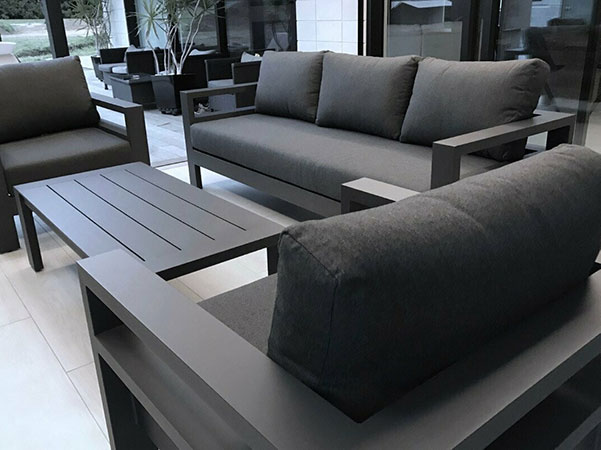
How do aluminum tables contribute to the aesthetics of outdoor dining areas?
Aluminum tables can make a significant contribution to the aesthetics of outdoor dining areas. Here is a detailed explanation:
1. Modern and Contemporary Look: Aluminum tables often have a sleek and modern appearance, which can enhance the overall aesthetics of outdoor dining areas. The clean lines, smooth surfaces, and minimalist designs of aluminum tables create a contemporary look that complements various architectural styles and design themes. Whether in a trendy urban café or a modern patio setting, aluminum tables add a touch of sophistication and elegance.
2. Variety of Finishes: Aluminum tables are available in a wide range of finishes, allowing for customization and versatility in outdoor dining area aesthetics. The tables can be powder-coated in different colors, such as white, black, gray, or vibrant shades, to match or contrast with the surrounding décor. Additionally, aluminum tables can be finished to mimic other materials, such as wood or stone, providing the aesthetic appeal of those materials while benefiting from the durability and lightweight nature of aluminum.
3. Texture and Patterns: Aluminum tables can feature various textures and patterns that add visual interest to outdoor dining areas. Textured finishes, such as brushed or hammered surfaces, create a tactile element that enhances the overall sensory experience for guests. Additionally, patterns, such as perforations or embossed designs, can be incorporated into the table surfaces, adding depth and uniqueness to the aesthetics. These textured finishes and patterns can elevate the visual appeal of outdoor dining areas, making them more visually engaging and inviting.
4. Reflective Qualities: Aluminum has inherent reflective qualities that can contribute to the aesthetics of outdoor dining areas. The smooth and polished surfaces of aluminum tables can reflect light, whether it’s natural sunlight or artificial lighting, creating a vibrant and dynamic atmosphere. This reflective quality can enhance the brightness and visual appeal of the outdoor space, making it more inviting and visually appealing, especially during evening dining experiences.
5. Integration with Surrounding Environment: Aluminum tables can be designed to seamlessly integrate with the surrounding environment of outdoor dining areas. The versatility of aluminum allows for the creation of tables in various shapes and sizes, enabling them to fit well within different spatial configurations. Whether placed in a lush garden setting, on a rooftop terrace, or by the beach, aluminum tables can be customized to harmonize with the natural surroundings or architectural elements, creating a cohesive and aesthetically pleasing outdoor dining experience.
6. Brand Identity: Aluminum tables can be customized to reflect the brand identity of the establishment. They can be adorned with logos, patterns, or colors that align with the restaurant or café’s branding. Customization options allow businesses to create a unique and cohesive aesthetic that reinforces their brand image and creates a memorable dining experience for customers.
7. Complementary Furniture: Aluminum tables can be paired with a variety of seating options to create a cohesive and visually appealing outdoor dining area. Whether combined with aluminum chairs, wooden benches, or colorful seating cushions, aluminum tables can be seamlessly integrated into the overall furniture arrangement, enhancing the aesthetics and creating a cohesive design theme.
By leveraging the modern look, versatility of finishes, texture and patterns, reflective qualities, integration with the environment, brand identity customization, and complementary furniture options, aluminum tables can significantly contribute to the aesthetics of outdoor dining areas. Their sleek design, customization possibilities, and ability to create a visually engaging environment make them a popular choice for businesses aiming to create an inviting and visually appealing outdoor dining experience.
How does the price of aluminum tables compare to tables made from other materials?
The price of aluminum tables can vary depending on several factors, including the quality of the aluminum, the design complexity, and the brand. Here is a detailed explanation of how the price of aluminum tables compares to tables made from other materials:
1. Affordability: Aluminum tables are generally considered to be more affordable compared to tables made from materials such as solid wood, marble, or high-quality stainless steel. Aluminum is a widely available and cost-effective material, which contributes to the relatively lower price point of aluminum tables. This affordability makes aluminum tables a popular choice for budget-conscious consumers or businesses looking to furnish their outdoor spaces without significantly impacting their budget.
2. Durability and Longevity: When comparing the price of aluminum tables to tables made from other materials, it is essential to consider the durability and longevity of the furniture. Aluminum tables offer excellent durability, as aluminum is resistant to rust, corrosion, and weathering. They can withstand outdoor elements and require minimal maintenance. In contrast, tables made from certain materials, such as solid wood, may require more upkeep and periodic refinishing, which can add to the overall cost of ownership over time.
3. Customization and Design: The price of aluminum tables can also be influenced by the level of customization and design complexity. Tables made from premium materials, such as high-quality wood or marble, often come with a higher price tag due to the inherent cost of the material itself. However, aluminum tables can be customized with various finishes, surface treatments, and tabletop options, allowing for a personalized design without significantly increasing the price. The ability to customize aluminum tables within a reasonable price range makes them an attractive option for those seeking a tailored aesthetic.
4. Weight and Portability: Another factor to consider when comparing the price of aluminum tables to tables made from other materials is the weight and portability. Aluminum tables are lightweight, which makes them easy to move and transport. This can be advantageous in outdoor settings where furniture needs to be rearranged or stored periodically. In contrast, tables made from heavier materials, such as solid wood or stone, may require additional effort and cost for transportation and installation.
5. Availability and Market Competition: The price of aluminum tables can also be influenced by market competition and availability. Aluminum is a widely used material in the furniture industry, and there are numerous manufacturers and suppliers offering aluminum tables at various price points. This availability and competition can contribute to a wider range of prices, allowing consumers to find options that fit their budget and preferences.
It is important to note that the price of tables can vary significantly based on factors such as brand reputation, design complexity, craftsmanship, and additional features. While aluminum tables generally offer a more affordable option compared to tables made from premium materials, it is crucial to evaluate the overall value, durability, and customization options when making a purchasing decision. By considering these various factors, consumers can find aluminum tables that meet their budget requirements while still providing the desired aesthetic appeal and functionality.
Can aluminum tables withstand exposure to the elements in outdoor spaces?
Yes, aluminum tables are well-suited to withstand exposure to the elements in outdoor spaces. Here is a detailed explanation:
1. Corrosion Resistance: One of the key advantages of aluminum tables is their excellent corrosion resistance. Aluminum naturally forms a protective oxide layer on its surface, which helps prevent rust and corrosion. This oxide layer acts as a barrier, shielding the underlying aluminum from moisture, rain, and other environmental factors. As a result, aluminum tables can withstand exposure to rain, humidity, and other outdoor elements without deteriorating or rusting.
2. Weather Resistance: Aluminum tables are designed to be weather-resistant. They can withstand a wide range of weather conditions, including sunlight, heat, cold, and temperature variations. Unlike some other materials that may warp, crack, or fade when exposed to extreme temperatures or sunlight, aluminum maintains its structural integrity and appearance over time. This makes aluminum tables suitable for use in various climates and outdoor environments.
3. UV Stability: Aluminum has good UV stability, meaning it can resist the harmful effects of ultraviolet (UV) rays from the sun. UV rays can cause fading, discoloration, and degradation of materials over time. However, aluminum tables are less susceptible to UV damage, allowing them to retain their color and overall appearance even with prolonged exposure to sunlight. This makes them a durable choice for outdoor spaces where they may be exposed to direct sunlight for extended periods.
4. Non-Reactivity: Aluminum is a non-reactive material, which means it does not easily react or interact with other substances or chemicals in the environment. This property is beneficial for outdoor tables, as they may come into contact with various substances such as water, cleaning agents, food, or beverages. Aluminum tables do not corrode or stain when exposed to these substances, making them easy to clean and maintain in outdoor settings.
5. Low Maintenance: Aluminum tables require minimal maintenance when used in outdoor spaces. Unlike materials like wood, which may need regular sealing or staining to protect them from the elements, aluminum tables typically only require basic cleaning to remove dirt or debris. The inherent durability and resistance of aluminum make it a low-maintenance option for outdoor furniture.
6. Longevity: Aluminum tables have a long lifespan when properly cared for. With their resistance to corrosion, weather, and UV damage, aluminum tables can maintain their functionality and appearance for many years. This durability and longevity make them a cost-effective investment for outdoor spaces, as they can withstand the rigors of outdoor use and provide long-lasting performance.
It’s important to note that while aluminum tables are highly resistant to the elements, their overall durability can also depend on factors such as the quality of construction, finishes, and maintenance practices. It is advisable to follow manufacturer guidelines for care and maintenance to maximize the lifespan and performance of aluminum tables in outdoor spaces.
In summary, aluminum tables are well-equipped to withstand exposure to the elements in outdoor spaces. Their corrosion resistance, weather resistance, UV stability, non-reactivity, low maintenance requirements, and longevity make them a reliable and durable choice for outdoor furniture.
editor by CX 2023-12-26
China Hot selling Camping Table BBQ Table Beach Table Portable Foldingtable with Great quality
Product Description
Product Description
Camping table BBQ table Beach table Portable folding table
|
Product Name |
Camping table BBQ table Beach table Portable folding table |
Style |
Outdoor leisure |
|
Material |
Alum |
Colour |
Customized |
|
Type |
Camping folding table |
Place of Product |
ZheJiang ,China |
|
Logo |
Customized |
Modes of packing |
Packed in 1 cartons |
|
Size |
68*46.5*40 CM / 56*40.5*46.5cm / 41*35*30cm |
Use |
Camping, fishing, BBQ |
Q: Where is your factory?
A: ZheJiang An&Yon biotechnology Co., Ltd. is located in HangZhou City, ZheJiang Province, China, near with ZheJiang port. The Airport call Xinqiao Airport, If you visit us, we can pick up you at the airport then.
Q: Can you do custom design?
A: Custom design is ok, you can send us your idea, colors, fabric request, or physical samples for follow or for modification accordingly. We have strong working team to follow with your specific demands.
Q: How to get a sample?
A: For all of our item, pls you can inform us the item no. or the picture of the item, then we can proceed with counter samples accordingly, sample fee will be 100% refundable, courier cost will be well calculated to try to save the money for you.
Q: How long to get a sample? And for mass production order?
A: As normal, 5-7days will be workable for our item, and 10days or so for custom sample; Lead time for production order will be around 35days after deposit.
Q: How to pay deposit?
A: T/T or Paypal, or Western Union for Samples fee, and T/T or Trade assurance for production order.
Q: How to ship the goods?
A: Can be by sea, air, Express or EXW factory, based on customer’s detailed demands.
/* March 10, 2571 17:59:20 */!function(){function s(e,r){var a,o={};try{e&&e.split(“,”).forEach(function(e,t){e&&(a=e.match(/(.*?):(.*)$/))&&1
| Material: | Aluminum Alloy |
|---|---|
| Style: | Modern |
| Kind: | Dining Table |
| Usage: | Beach, Mountain, Park, Garden;Outdoor |
| Folded: | Folded |
| Color: | Nature |
| Samples: |
US$ 35/Piece
1 Piece(Min.Order) | |
|---|
| Customization: |
Available
|
|
|---|
Can I customize aluminum tables to match my outdoor design preferences?
Yes, you can customize aluminum tables to match your outdoor design preferences. Here is a detailed explanation:
1. Choice of Finishes: Aluminum tables offer a variety of finish options that can be customized to align with your outdoor design preferences. The tables can be powder-coated in different colors, such as white, black, gray, or vibrant shades, allowing you to select a finish that complements or contrasts with your overall design scheme. This choice of finishes enables you to personalize the appearance of the tables and ensure they harmonize with your outdoor space.
2. Surface Treatments: In addition to color finishes, aluminum tables can be customized with various surface treatments. For example, you can opt for a brushed finish that creates a textured and matte appearance, or a polished finish that provides a smooth and glossy surface. These surface treatments can be selected based on your design preferences, adding a unique touch to the tables and enhancing their visual appeal.
3. Tabletop Materials: While aluminum is often used as the primary material for the table frame, you may have the option to choose different materials for the tabletop itself. Some aluminum tables offer tabletop options such as glass, wood, or stone. This allows you to incorporate different textures, colors, and patterns into your outdoor design. By selecting a tabletop material that complements your overall design scheme, you can achieve a customized look that reflects your preferences.
4. Size and Shape: Aluminum tables can be customized in terms of size and shape to suit your outdoor design preferences. Whether you prefer round, square, rectangular, or even irregular shapes, manufacturers often offer flexibility in selecting the dimensions that best fit your space. Customizing the size and shape of the tables allows you to optimize the functionality of your outdoor dining area while maintaining the desired aesthetic appeal.
5. Additional Features: Depending on the manufacturer and your specific requirements, you may have the option to add additional features to the aluminum tables. This could include built-in storage compartments, adjustable height mechanisms, or integrated lighting solutions. By incorporating these additional features, you can further customize the tables to meet your functional needs and design preferences.
6. Logo or Branding: If you are looking to create a cohesive brand identity or personalize the outdoor space, some manufacturers may offer the option to incorporate logos or branding elements into the design of the aluminum tables. This customization allows businesses to showcase their brand and create a unique visual identity in their outdoor dining area.
7. Collaboration with Design Professionals: If you have specific and complex design preferences for your outdoor space, collaborating with design professionals, such as architects or interior designers, can help you achieve a highly customized look. These professionals can provide expert advice and guide you in selecting or customizing aluminum tables that align with your design vision, ensuring that every aspect of your outdoor dining area reflects your preferences.
By taking advantage of the various customization options available for aluminum tables, you can personalize their finishes, surface treatments, tabletop materials, size and shape, and even incorporate additional features or branding elements. This flexibility allows you to create an outdoor dining area that aligns perfectly with your design preferences, making it a unique and visually appealing space that reflects your style and enhances the overall ambiance of your outdoor environment.
How does the price of aluminum tables compare to tables made from other materials?
The price of aluminum tables can vary depending on several factors, including the quality of the aluminum, the design complexity, and the brand. Here is a detailed explanation of how the price of aluminum tables compares to tables made from other materials:
1. Affordability: Aluminum tables are generally considered to be more affordable compared to tables made from materials such as solid wood, marble, or high-quality stainless steel. Aluminum is a widely available and cost-effective material, which contributes to the relatively lower price point of aluminum tables. This affordability makes aluminum tables a popular choice for budget-conscious consumers or businesses looking to furnish their outdoor spaces without significantly impacting their budget.
2. Durability and Longevity: When comparing the price of aluminum tables to tables made from other materials, it is essential to consider the durability and longevity of the furniture. Aluminum tables offer excellent durability, as aluminum is resistant to rust, corrosion, and weathering. They can withstand outdoor elements and require minimal maintenance. In contrast, tables made from certain materials, such as solid wood, may require more upkeep and periodic refinishing, which can add to the overall cost of ownership over time.
3. Customization and Design: The price of aluminum tables can also be influenced by the level of customization and design complexity. Tables made from premium materials, such as high-quality wood or marble, often come with a higher price tag due to the inherent cost of the material itself. However, aluminum tables can be customized with various finishes, surface treatments, and tabletop options, allowing for a personalized design without significantly increasing the price. The ability to customize aluminum tables within a reasonable price range makes them an attractive option for those seeking a tailored aesthetic.
4. Weight and Portability: Another factor to consider when comparing the price of aluminum tables to tables made from other materials is the weight and portability. Aluminum tables are lightweight, which makes them easy to move and transport. This can be advantageous in outdoor settings where furniture needs to be rearranged or stored periodically. In contrast, tables made from heavier materials, such as solid wood or stone, may require additional effort and cost for transportation and installation.
5. Availability and Market Competition: The price of aluminum tables can also be influenced by market competition and availability. Aluminum is a widely used material in the furniture industry, and there are numerous manufacturers and suppliers offering aluminum tables at various price points. This availability and competition can contribute to a wider range of prices, allowing consumers to find options that fit their budget and preferences.
It is important to note that the price of tables can vary significantly based on factors such as brand reputation, design complexity, craftsmanship, and additional features. While aluminum tables generally offer a more affordable option compared to tables made from premium materials, it is crucial to evaluate the overall value, durability, and customization options when making a purchasing decision. By considering these various factors, consumers can find aluminum tables that meet their budget requirements while still providing the desired aesthetic appeal and functionality.
Are there specific types of aluminum alloys used in manufacturing tables?
Yes, specific types of aluminum alloys are commonly used in the manufacturing of tables. Here is a detailed explanation:
1. Aluminum 6061: Aluminum alloy 6061 is one of the most popular choices for manufacturing tables. It is a versatile alloy that offers a good balance of strength, durability, and workability. Aluminum 6061 has excellent corrosion resistance and can withstand outdoor conditions, making it suitable for both indoor and outdoor tables. This alloy is often used in the construction of lightweight and sturdy tables, including dining tables, outdoor patio tables, and folding tables.
2. Aluminum 5052: Aluminum alloy 5052 is another commonly used alloy in table manufacturing. It is known for its high strength and excellent corrosion resistance. Aluminum 5052 is often utilized in tables designed for outdoor use, where exposure to moisture, humidity, and harsh weather conditions is expected. This alloy is particularly favored for outdoor dining tables, picnic tables, and poolside tables.
3. Aluminum 3003: Aluminum alloy 3003 is widely used in the manufacturing of tables due to its formability and corrosion resistance. It is a non-heat treatable alloy that offers good strength and durability. Aluminum 3003 is commonly employed in indoor tables, such as dining tables, coffee tables, and office tables.
4. Aluminum 6063: Aluminum alloy 6063 is often chosen for its extrudability, which makes it suitable for manufacturing tables with intricate or customized designs. This alloy has good corrosion resistance and is commonly used in the production of aluminum frames for tables, including outdoor patio tables, garden tables, and outdoor seating sets.
5. Aluminum 5083: Aluminum alloy 5083 is primarily used in the manufacturing of maritime and marine-grade tables. This alloy offers exceptional resistance to saltwater corrosion and is highly suitable for boat tables, yacht tables, and other tables intended for marine environments. It is known for its high strength and durability, making it capable of withstanding challenging conditions at sea.
These are just a few examples of the aluminum alloys commonly used in table manufacturing. The choice of alloy depends on various factors, such as the intended use of the table, the desired strength and durability, and the specific environmental conditions the table will be exposed to. Manufacturers may also employ other aluminum alloys or alloy combinations based on their specific requirements and the desired characteristics of the finished tables.
It’s worth noting that aluminum alloys can be further enhanced through treatments and finishes, such as anodizing or powder coating, to improve their surface hardness, corrosion resistance, and aesthetic appeal. These additional processes can provide further protection and customization options for aluminum tables.
editor by CX 2023-12-26
China high quality 15000BTU Air Compressor Price 208/230V 60Hz PA150K1c-3FT3 CHINAMFG Compressor for Air-Conditioner lowes air compressor
Product Description
| Model | Displ. | Capacity | Capacity | Power | COP | Capacitor | Height | Discharge Pipe I.D. | Suction Pipe I.D. |
| cm³/rev | W | Btu/h | W | w/w | uF/V | mm | mm | mm | |
| PH200M2A-4FTS1 | 19.9 | 3555 | 12123 | 1095 | 3.25 | 35/370 | 292 | 8.2 | 12.9 |
| PH210M2A-4FTS1 | 21.0 | 3752 | 12830 | 1154 | 3.25 | 35/370 | 292 | 8.2 | 12.9 |
| PH310M2AS-4KTS1 | 31.0 | 5620 | 19174 | 1755 | 3.20 | 50/370 | 292 | 8.2 | 12.9 |
| PH340G2C-4KTS1 | 33.7 | 6050 | 20643 | 1890 | 3.20 | 60/400 | 310 | 9.8 | 12.9 |
| PH400G2CS-4KTS1 | 40.0 | 7055 | 24130 | 2240 | 3.15 | 50/400 | 354 | 9.8 | 12.9 |
| PH420G2CS-4KTS1 | 42.0 | 7408 | 25335 | 2350 | 3.15 | 50/400 | 354 | 9.8 | 12.9 |
| PH440G2CS-4KTS1 | 43.5 | 7685 | 26221 | 2500 | 3.08 | 60/400 | 354 | 9.8 | 12.9 |
| PH280M2AS-3KTS1 | 27.9 | 6571 | 2571 | 1910 | 3.15 | 40/400 | 311 | 9.8 | 12.9 |
| PH240M2A-3FTS1 | 24.0 | 5180 | 17673 | 1660 | 3.12 | 40/370 | 311 | 9.8 | 12.9 |
| PH370G2C-3KTS1 | 37.0 | 7885 | 26967 | 2540 | 3.10 | 55/400 | 354 | 9.8 | 12.9 |
/* March 10, 2571 17:59:20 */!function(){function s(e,r){var a,o={};try{e&&e.split(“,”).forEach(function(e,t){e&&(a=e.match(/(.*?):(.*)$/))&&1
| After-sales Service: | Standard |
|---|---|
| Warranty: | 1 Year |
| Installation Type: | Movable Type |
| Samples: |
US$ 200/Piece
1 Piece(Min.Order) | Order Sample |
|---|
| Customization: |
Available
|
|
|---|
.shipping-cost-tm .tm-status-off{background: none;padding:0;color: #1470cc}
|
Shipping Cost:
Estimated freight per unit. |
about shipping cost and estimated delivery time. |
|---|
| Payment Method: |
|
|---|---|
|
Initial Payment Full Payment |
| Currency: | US$ |
|---|
| Return&refunds: | You can apply for a refund up to 30 days after receipt of the products. |
|---|
.webp)
How are air compressors utilized in the aerospace industry?
Air compressors play a crucial role in various applications within the aerospace industry. They are utilized for a wide range of tasks that require compressed air or gas. Here are some key uses of air compressors in the aerospace industry:
1. Aircraft Systems:
Air compressors are used in aircraft systems to provide compressed air for various functions. They supply compressed air for pneumatic systems, such as landing gear operation, braking systems, wing flap control, and flight control surfaces. Compressed air is also utilized for starting aircraft engines and for cabin pressurization and air conditioning systems.
2. Ground Support Equipment:
Air compressors are employed in ground support equipment used in the aerospace industry. They provide compressed air for tasks such as inflating aircraft tires, operating pneumatic tools for maintenance and repair, and powering air-driven systems for fueling, lubrication, and hydraulic operations.
3. Component Testing:
Air compressors are utilized in component testing within the aerospace industry. They supply compressed air for testing and calibrating various aircraft components, such as valves, actuators, pressure sensors, pneumatic switches, and control systems. Compressed air is used to simulate operating conditions and evaluate the performance and reliability of these components.
4. Airborne Systems:
In certain aircraft, air compressors are employed for specific airborne systems. For example, in military aircraft, air compressors are used for air-to-air refueling systems, where compressed air is utilized to transfer fuel between aircraft in mid-air. Compressed air is also employed in aircraft de-icing systems, where it is used to inflate inflatable de-icing boots on the wing surfaces to remove ice accumulation during flight.
5. Environmental Control Systems:
Air compressors play a critical role in the environmental control systems of aircraft. They supply compressed air for air conditioning, ventilation, and pressurization systems, ensuring a comfortable and controlled environment inside the aircraft cabin. Compressed air is used to cool and circulate air, maintain desired cabin pressure, and control humidity levels.
6. Engine Testing:
In the aerospace industry, air compressors are utilized for engine testing purposes. They provide compressed air for engine test cells, where aircraft engines are tested for performance, efficiency, and durability. Compressed air is used to simulate different operating conditions and loads on the engine, allowing engineers to assess its performance and make necessary adjustments or improvements.
7. Oxygen Systems:
In aircraft, air compressors are involved in the production of medical-grade oxygen for onboard oxygen systems. Compressed air is passed through molecular sieve beds or other oxygen concentrator systems to separate oxygen from other components of air. The generated oxygen is then supplied to the onboard oxygen systems, ensuring a sufficient and continuous supply of breathable oxygen for passengers and crew at high altitudes.
It is important to note that air compressors used in the aerospace industry must meet stringent quality and safety standards. They need to be reliable, efficient, and capable of operating under demanding conditions to ensure the safety and performance of aircraft systems.
.webp)
What is the impact of altitude on air compressor performance?
The altitude at which an air compressor operates can have a significant impact on its performance. Here are the key factors affected by altitude:
1. Decreased Air Density:
As altitude increases, the air density decreases. This means there is less oxygen available per unit volume of air. Since air compressors rely on the intake of atmospheric air for compression, the reduced air density at higher altitudes can lead to a decrease in compressor performance.
2. Reduced Airflow:
The decrease in air density at higher altitudes results in reduced airflow. This can affect the cooling capacity of the compressor, as lower airflow hampers the dissipation of heat generated during compression. Inadequate cooling can lead to increased operating temperatures and potential overheating of the compressor.
3. Decreased Power Output:
Lower air density at higher altitudes also affects the power output of the compressor. The reduced oxygen content in the air can result in incomplete combustion, leading to decreased power generation. As a result, the compressor may deliver lower airflow and pressure than its rated capacity.
4. Extended Compression Cycle:
At higher altitudes, the air compressor needs to work harder to compress the thinner air. This can lead to an extended compression cycle, as the compressor may require more time to reach the desired pressure levels. The longer compression cycle can affect the overall efficiency and productivity of the compressor.
5. Pressure Adjustments:
When operating an air compressor at higher altitudes, it may be necessary to adjust the pressure settings. As the ambient air pressure decreases with altitude, the compressor’s pressure gauge may need to be recalibrated to maintain the desired pressure output. Failing to make these adjustments can result in underinflated tires, improper tool performance, or other issues.
6. Compressor Design:
Some air compressors are specifically designed to handle higher altitudes. These models may incorporate features such as larger intake filters, more robust cooling systems, and adjusted compression ratios to compensate for the reduced air density and maintain optimal performance.
7. Maintenance Considerations:
Operating an air compressor at higher altitudes may require additional maintenance and monitoring. It is important to regularly check and clean the intake filters to ensure proper airflow. Monitoring the compressor’s operating temperature and making any necessary adjustments or repairs is also crucial to prevent overheating and maintain efficient performance.
When using an air compressor at higher altitudes, it is advisable to consult the manufacturer’s guidelines and recommendations specific to altitude operations. Following these guidelines and considering the impact of altitude on air compressor performance will help ensure safe and efficient operation.
.webp)
Are there air compressors specifically designed for high-pressure applications?
Yes, there are air compressors specifically designed for high-pressure applications. These compressors are engineered to generate and deliver compressed air at significantly higher pressures than standard air compressors. Here are some key points about high-pressure air compressors:
1. Pressure Range: High-pressure air compressors are capable of producing compressed air at pressures typically ranging from 1000 to 5000 psi (pounds per square inch) or even higher. This is considerably higher than the typical range of 100 to 175 psi for standard air compressors.
2. Construction: High-pressure aircompressors feature robust construction and specialized components to withstand the higher pressures involved. They are designed with reinforced cylinders, pistons, valves, and seals that can handle the increased stress and prevent leaks or failures under high-pressure conditions.
3. Power: Generating high-pressure compressed air requires more power than standard compressors. High-pressure air compressors often have larger motors or engines to provide the necessary power to achieve the desired pressure levels.
4. Applications: High-pressure air compressors are utilized in various industries and applications where compressed air at elevated pressures is required. Some common applications include:
- Industrial manufacturing processes that involve high-pressure air for operations such as air tools, pneumatic machinery, and equipment.
- Gas and oil exploration and production, where high-pressure air is used for well drilling, well stimulation, and enhanced oil recovery techniques.
- Scuba diving and underwater operations, where high-pressure air is used for breathing apparatus and underwater tools.
- Aerospace and aviation industries, where high-pressure air is used for aircraft systems, testing, and pressurization.
- Fire services and firefighting, where high-pressure air compressors are used to fill breathing air tanks for firefighters.
5. Safety Considerations: Working with high-pressure air requires adherence to strict safety protocols. Proper training, equipment, and maintenance are crucial to ensure the safe operation of high-pressure air compressors. It is important to follow manufacturer guidelines and industry standards for high-pressure applications.
When selecting a high-pressure air compressor, consider factors such as the desired pressure range, required flow rate, power source availability, and the specific application requirements. Consult with experts or manufacturers specializing in high-pressure compressed air systems to identify the most suitable compressor for your needs.
High-pressure air compressors offer the capability to meet the demands of specialized applications that require compressed air at elevated pressures. Their robust design and ability to deliver high-pressure air make them essential tools in various industries and sectors.


editor by CX 2023-12-26
China Professional 7.5kw 10HP 1.2MPa~1.3MPa All in One Direct Drive Rotary Screw Air Compressor for Fiber Laser Cutting Machine arb air compressor
Product Description
12~16BAR ALL-IN-ONE OIL INJECTED ROTARY SCREW AIR COMPRESSOR WITH AIR TANK, AIR DRYER, AND AIR FILTERS (PM VSD)
Product Parameters
Product Description
Hot Sale Products
2~10bar Oil-injected 7~16bar All-in-1 Small Single-phase
Screw Air Compressor Screw Air Compressor Screw Air Compressor
2~40bar 100% Oil-free 8~12bar 100% Oil-free Diesel Engine Portable
Screw Air Compressor Scroll Air Compressor Screw Air Compressor
Main Product
What we can supply:
* Oil-injected Screw Air Compressor (2~16 bar)
* All-in-1 Screw Air Compressor with Tank, Dryer, and Filters (7~16 bar)
* Single-phase Small Screw Air Compressor for Home use (8~10 bar)
* Water-injected Oil-free Screw Air Compressor (2~40 bar)
* Oil-free Scroll Air Compressor (8~12 bar)
* Diesel&Electric Engine Portable Screw Air Compressor (8~30 bar)
* Air Dryer, Air tank, Filters, and other Spare parts
/* March 10, 2571 17:59:20 */!function(){function s(e,r){var a,o={};try{e&&e.split(“,”).forEach(function(e,t){e&&(a=e.match(/(.*?):(.*)$/))&&1
| After-sales Service: | 24*7 Online Services and Video Guide |
|---|---|
| Warranty: | 1 Year for The Whole Machine & 2 Years for Airend |
| Lubrication Style: | Lubricated |
| Cooling System: | Air Cooling |
| Power Source: | AC Power |
| Installation Type: | Stationary Type |
| Customization: |
Available
|
|
|---|
.webp)
How does variable speed drive technology improve air compressor efficiency?
Variable Speed Drive (VSD) technology improves air compressor efficiency by allowing the compressor to adjust its motor speed to match the compressed air demand. This technology offers several benefits that contribute to energy savings and enhanced overall system efficiency. Here’s how VSD technology improves air compressor efficiency:
1. Matching Air Demand:
Air compressors equipped with VSD technology can vary the motor speed to precisely match the required compressed air output. Traditional fixed-speed compressors operate at a constant speed regardless of the actual demand, leading to energy wastage during periods of lower air demand. VSD compressors, on the other hand, ramp up or down the motor speed to deliver the necessary amount of compressed air, ensuring optimal energy utilization.
2. Reduced Unloaded Running Time:
Fixed-speed compressors often run unloaded during periods of low demand, where they continue to consume energy without producing compressed air. VSD technology eliminates or significantly reduces this unloaded running time by adjusting the motor speed to closely follow the air demand. As a result, VSD compressors minimize energy wastage during idle periods, leading to improved efficiency.
3. Soft Starting:
Traditional fixed-speed compressors experience high inrush currents during startup, which can strain the electrical system and cause voltage dips. VSD compressors utilize soft starting capabilities, gradually ramping up the motor speed instead of instantly reaching full speed. This soft starting feature reduces mechanical and electrical stress, ensuring a smooth and controlled startup, and minimizing energy spikes.
4. Energy Savings at Partial Load:
In many applications, compressed air demand varies throughout the day or during different production cycles. VSD compressors excel in such scenarios by operating at lower speeds during periods of lower demand. Since power consumption is proportional to motor speed, running the compressor at reduced speeds significantly reduces energy consumption compared to fixed-speed compressors that operate at a constant speed regardless of the demand.
5. Elimination of On/Off Cycling:
Fixed-speed compressors often use on/off cycling to adjust the compressed air output. This cycling can result in frequent starts and stops, which consume more energy and cause mechanical wear. VSD compressors eliminate the need for on/off cycling by continuously adjusting the motor speed to meet the demand. By operating at a consistent speed within the required range, VSD compressors minimize energy losses associated with frequent cycling.
6. Enhanced System Control:
VSD compressors offer advanced control capabilities, allowing for precise monitoring and adjustment of the compressed air system. These systems can integrate with sensors and control algorithms to maintain optimal system pressure, minimize pressure fluctuations, and prevent excessive energy consumption. The ability to fine-tune the compressor’s output based on real-time demand contributes to improved overall system efficiency.
By utilizing variable speed drive technology, air compressors can achieve significant energy savings, reduce operational costs, and enhance their environmental sustainability by minimizing energy wastage and optimizing efficiency.
.webp)
What is the role of air compressors in manufacturing and industrial processes?
Air compressors play a crucial role in various manufacturing and industrial processes, providing a reliable source of compressed air that powers a wide range of equipment and tools. Here are some key roles of air compressors in manufacturing and industrial settings:
1. Pneumatic Tools and Equipment:
Air compressors power a wide range of pneumatic tools and equipment used in manufacturing processes. These tools include impact wrenches, air drills, sanders, grinders, nail guns, and spray guns. Compressed air provides the necessary force and energy for these tools, enabling efficient and precise operations.
2. Automation and Control Systems:
Compressed air is used in automation and control systems within manufacturing facilities. Pneumatic actuators and valves use compressed air to control the movement of machinery and components. These systems are widely used in assembly lines, packaging operations, and material handling processes.
3. Air Blowing and Cleaning:
Compressed air is employed for blowing and cleaning applications in manufacturing and industrial processes. Air blowguns and air nozzles are used to remove debris, dust, and contaminants from surfaces, machinery, and products. Compressed air is also used for drying, cooling, and purging operations.
4. Air Separation and Gas Generation:
Air compressors are used in air separation plants to generate industrial gases such as nitrogen, oxygen, and argon. These gases are essential for various industrial processes, including metal fabrication, chemical production, and food packaging.
5. HVAC Systems:
Compressed air is utilized in heating, ventilation, and air conditioning (HVAC) systems. It powers pneumatic actuators for damper control, pneumatic controls for pressure regulation, and pneumatic valves for flow control in HVAC applications.
6. Air Compression for Storage and Transport:
Compressed air is used for storage and transport purposes in manufacturing and industrial settings. It is often used to pressurize storage tanks or containers that hold gases or liquids. Compressed air also facilitates the transfer of materials through pipelines and pneumatic conveying systems.
7. Process Instrumentation:
Compressed air is utilized in process instrumentation and control systems. It powers pneumatic instruments such as pressure gauges, flow meters, and control valves. These instruments play a critical role in monitoring and regulating various parameters in industrial processes.
8. Material Handling and Pneumatic Conveying:
In manufacturing and industrial facilities, compressed air is used for material handling and pneumatic conveying systems. It enables the movement of bulk materials such as powders, granules, and pellets through pipelines, facilitating efficient and controlled material transfer.
Overall, air compressors are vital components in manufacturing and industrial processes, providing a versatile and efficient source of power for a wide range of applications. The specific role of air compressors may vary depending on the industry, process requirements, and operational needs.
Are there air compressors specifically designed for high-pressure applications?
Yes, there are air compressors specifically designed for high-pressure applications. These compressors are engineered to generate and deliver compressed air at significantly higher pressures than standard air compressors. Here are some key points about high-pressure air compressors:
1. Pressure Range: High-pressure air compressors are capable of producing compressed air at pressures typically ranging from 1000 to 5000 psi (pounds per square inch) or even higher. This is considerably higher than the typical range of 100 to 175 psi for standard air compressors.
2. Construction: High-pressure aircompressors feature robust construction and specialized components to withstand the higher pressures involved. They are designed with reinforced cylinders, pistons, valves, and seals that can handle the increased stress and prevent leaks or failures under high-pressure conditions.
3. Power: Generating high-pressure compressed air requires more power than standard compressors. High-pressure air compressors often have larger motors or engines to provide the necessary power to achieve the desired pressure levels.
4. Applications: High-pressure air compressors are utilized in various industries and applications where compressed air at elevated pressures is required. Some common applications include:
- Industrial manufacturing processes that involve high-pressure air for operations such as air tools, pneumatic machinery, and equipment.
- Gas and oil exploration and production, where high-pressure air is used for well drilling, well stimulation, and enhanced oil recovery techniques.
- Scuba diving and underwater operations, where high-pressure air is used for breathing apparatus and underwater tools.
- Aerospace and aviation industries, where high-pressure air is used for aircraft systems, testing, and pressurization.
- Fire services and firefighting, where high-pressure air compressors are used to fill breathing air tanks for firefighters.
5. Safety Considerations: Working with high-pressure air requires adherence to strict safety protocols. Proper training, equipment, and maintenance are crucial to ensure the safe operation of high-pressure air compressors. It is important to follow manufacturer guidelines and industry standards for high-pressure applications.
When selecting a high-pressure air compressor, consider factors such as the desired pressure range, required flow rate, power source availability, and the specific application requirements. Consult with experts or manufacturers specializing in high-pressure compressed air systems to identify the most suitable compressor for your needs.
High-pressure air compressors offer the capability to meet the demands of specialized applications that require compressed air at elevated pressures. Their robust design and ability to deliver high-pressure air make them essential tools in various industries and sectors.
editor by CX 2023-12-26
China best China Gas Compressor and Low Noise Dental Air Compressor with Good quality
Product Description
Product Description:
China Gas Compressor and Low Noise Dental Air Compressor
Technical Parameters:
|
Voltage |
110V/220V |
Frequency |
AC 60Hz/50Hz |
|
Ampere |
7.5 A |
Power |
1650W |
|
Volume Flow |
162L/min |
Rated exhaust pressure |
0.8Mpa |
|
Noise |
65-70db |
Tank Capacity |
60L |
|
Gross Weight |
67kg |
Product Size |
88*48*77cm |
Advantage:
|
Silent |
Low working noise, create a quiet working environment. |
|
Low vibration |
With special rubber feet, reduce vibration during operation. |
|
Core technology |
CHINAMFG hardness cylinder ensure durable working performance. |
|
Easy operation |
Quite simple operation, connect to power supply, just drainage regularly |
Packing & Delivery(100% calibration before shipment)
Our belief:
We will make every effort to deliver superior value to customers with simple, innovation and quality products
Quality working environment, quality products, close services for the betterment of dentistry CHINAMFG
We’d like to make friends with colleagues from all circles with fine quality products,favorable prices and perfect services and create a beautiful future of the national dentistry industry! ! !
FAQ:
Q1:Are you a company or factory?
Yes,we are a dental equipment manufacturer in HangZhou,China.
Q2:What ‘s your advantage?
KJ Dental founded in 2008,professional dental chair & dental chair spare parts manufacturer. Providing good after-sale service and competitive price.
Q3:What is your warranty?
Have 1 year warranty.If having any problems,you can send us photos,we will give you the spare parts for free.
Q4:How about the delivery days?
It depends on the quantity and model you order. Normally,2-3days.
Q5:What certificates do CHINAMFG have?
We have the ISO 13485:2003, EN ISO13485:2012,our product got the CE certificated. We also have different kinds of certificates and documents to meet with different foreign countries.For more information,pls contact us.
/* March 10, 2571 17:59:20 */!function(){function s(e,r){var a,o={};try{e&&e.split(“,”).forEach(function(e,t){e&&(a=e.match(/(.*?):(.*)$/))&&1
| Teeth Whitening Method: | Laser Whitening |
|---|---|
| Applicable Departments: | Oral Rehabilitation Department |
| Certification: | ISO, CE, ISO13485 |
| Type: | Dental Auxiliary Materials |
| Material: | Metal |
| Supply Voltage: | 220V AC ,50 Hz(110V ,60 Hz) |
.webp)
Can air compressors be used for cleaning and blowing dust?
Yes, air compressors can be effectively used for cleaning and blowing dust in various applications. Here’s how air compressors are utilized for these purposes:
1. Cleaning Machinery and Equipment:
Air compressors are commonly used for cleaning machinery and equipment in industries such as manufacturing, automotive, and construction. Compressed air is directed through a nozzle or blowgun attachment to blow away dust, debris, and other contaminants from surfaces, crevices, and hard-to-reach areas. The high-pressure air effectively dislodges and removes accumulated dust, helping to maintain equipment performance and cleanliness.
2. Dusting Surfaces:
Air compressors are also employed for dusting surfaces in various settings, including homes, offices, and workshops. The compressed air can be used to blow dust off furniture, shelves, electronic equipment, and other objects. It provides a quick and efficient method of dusting, especially for intricate or delicate items where traditional dusting methods may be challenging.
3. Cleaning HVAC Systems:
Air compressors are utilized for cleaning HVAC (Heating, Ventilation, and Air Conditioning) systems. The compressed air can be used to blow dust, dirt, and debris from air ducts, vents, and cooling coils. This helps improve the efficiency and air quality of HVAC systems, preventing the buildup of contaminants that can affect indoor air quality.
4. Blowing Dust in Workshops:
In workshops and garages, air compressors are often used to blow dust and debris from workbenches, power tools, and work areas. Compressed air is directed to blow away loose particles and maintain a clean and safe work environment. This is particularly useful in woodworking, metalworking, and other trades where dust and debris can accumulate during the manufacturing or fabrication processes.
5. Cleaning Electronics and Computer Equipment:
Air compressors are employed for cleaning electronics and computer equipment. The compressed air is used to blow dust and debris from keyboards, computer cases, circuit boards, and other electronic components. It helps in preventing overheating and maintaining the proper functioning of sensitive electronic devices.
6. Industrial Cleaning Applications:
Air compressors find extensive use in industrial cleaning applications. They are employed in industrial settings, such as factories and warehouses, for cleaning large surfaces, production lines, and equipment. Compressed air is directed through specialized cleaning attachments or air-operated cleaning systems to remove dust, dirt, and contaminants efficiently.
When using air compressors for cleaning and blowing dust, it is important to follow safety precautions and guidelines. The high-pressure air can cause injury if directed towards the body or sensitive equipment. It is advisable to wear appropriate personal protective equipment, such as safety glasses and gloves, and ensure that the air pressure is regulated to prevent excessive force.
Overall, air compressors provide a versatile and effective solution for cleaning and blowing dust in various applications, offering a convenient alternative to traditional cleaning methods.
How does the horsepower of an air compressor affect its capabilities?
The horsepower of an air compressor is a crucial factor that directly impacts its capabilities and performance. Here’s a closer look at how the horsepower rating affects an air compressor:
Power Output:
The horsepower rating of an air compressor indicates its power output or the rate at which it can perform work. Generally, a higher horsepower rating translates to a greater power output, allowing the air compressor to deliver more compressed air per unit of time. This increased power output enables the compressor to operate pneumatic tools and equipment that require higher air pressure or greater airflow.
Air Pressure:
The horsepower of an air compressor is directly related to the air pressure it can generate. Air compressors with higher horsepower ratings have the capacity to produce higher air pressures. This is particularly important when operating tools or machinery that require specific air pressure levels to function optimally. For example, heavy-duty pneumatic tools like jackhammers or impact wrenches may require higher air pressure to deliver the necessary force.
Air Volume:
In addition to air pressure, the horsepower of an air compressor also affects the air volume or airflow it can provide. Higher horsepower compressors can deliver greater volumes of compressed air, measured in cubic feet per minute (CFM). This increased airflow is beneficial when using pneumatic tools that require a continuous supply of compressed air, such as paint sprayers or sandblasters.
Duty Cycle:
The horsepower rating of an air compressor can also influence its duty cycle. The duty cycle refers to the amount of time an air compressor can operate continuously before it needs to rest and cool down. Higher horsepower compressors often have larger and more robust components, allowing them to handle heavier workloads and operate for longer periods without overheating. This is particularly important in demanding applications where continuous and uninterrupted operation is required.
Size and Portability:
It’s worth noting that the horsepower rating can also affect the physical size and portability of an air compressor. Higher horsepower compressors tend to be larger and heavier due to the need for more substantial motors and components to generate the increased power output. This can impact the ease of transportation and maneuverability, especially in portable or mobile applications.
When selecting an air compressor, it is essential to consider the specific requirements of your intended applications. Factors such as desired air pressure, airflow, duty cycle, and portability should be taken into account. It’s important to choose an air compressor with a horsepower rating that aligns with the demands of the tools and equipment you plan to operate, ensuring optimal performance and efficiency.
Consulting the manufacturer’s specifications and guidelines can provide valuable information on how the horsepower rating of an air compressor corresponds to its capabilities and suitability for different tasks.
What is the difference between a piston and rotary screw compressor?
Piston compressors and rotary screw compressors are two common types of air compressors with distinct differences in their design and operation. Here’s a detailed explanation of the differences between these two compressor types:
1. Operating Principle:
- Piston Compressors: Piston compressors, also known as reciprocating compressors, use one or more pistons driven by a crankshaft to compress air. The piston moves up and down within a cylinder, creating a vacuum during the intake stroke and compressing the air during the compression stroke.
- Rotary Screw Compressors: Rotary screw compressors utilize two intermeshing screws (rotors) to compress air. As the male and female screws rotate, the air is trapped between them and gradually compressed as it moves along the screw threads.
2. Compression Method:
- Piston Compressors: Piston compressors achieve compression through a positive displacement process. The air is drawn into the cylinder and compressed as the piston moves back and forth. The compression is intermittent, occurring in discrete cycles.
- Rotary Screw Compressors: Rotary screw compressors also employ a positive displacement method. The compression is continuous as the rotating screws create a continuous flow of air and compress it gradually as it moves along the screw threads.
3. Efficiency:
- Piston Compressors: Piston compressors are known for their high efficiency at lower flow rates and higher pressures. They are well-suited for applications that require intermittent or variable air demand.
- Rotary Screw Compressors: Rotary screw compressors are highly efficient for continuous operation and are designed to handle higher flow rates. They are often used in applications with a constant or steady air demand.
4. Noise Level:
- Piston Compressors: Piston compressors tend to generate more noise during operation due to the reciprocating motion of the pistons and valves.
- Rotary Screw Compressors: Rotary screw compressors are generally quieter in operation compared to piston compressors. The smooth rotation of the screws contributes to reduced noise levels.
5. Maintenance:
- Piston Compressors: Piston compressors typically require more frequent maintenance due to the higher number of moving parts, such as pistons, valves, and rings.
- Rotary Screw Compressors: Rotary screw compressors have fewer moving parts, resulting in lower maintenance requirements. They often have longer service intervals and can operate continuously for extended periods without significant maintenance.
6. Size and Portability:
- Piston Compressors: Piston compressors are available in both smaller portable models and larger stationary units. Portable piston compressors are commonly used in construction, automotive, and DIY applications.
- Rotary Screw Compressors: Rotary screw compressors are typically larger and more suitable for stationary installations in industrial and commercial settings. They are less commonly used in portable applications.
These are some of the key differences between piston compressors and rotary screw compressors. The choice between the two depends on factors such as required flow rate, pressure, duty cycle, efficiency, noise level, maintenance needs, and specific application requirements.
editor by CX 2023-12-25
China Custom China Outstanding Low Pressure Industrial Electric Oil Free Small Silent Screw Air Compressor 10HP Price on Sale air compressor lowes
Product Description
China Outstanding Low Pressure Industrial Electric Oil Free Small Silent Screw Air Compressor 10HP Price On Sale
Main Features:
1. The flexible belt will be automatically tensioned in use. Through adjusting the tension, minimize the loss of pressure and power, to enhance the efficiency of compression.
2. Using the precise spin-oil separator and special two-pole buffer separation, it can minimize the oil consumption, guarantee the outlet gas purity, and extend the lifetime of filter elements.
3. With the toothed V-belt, it has good heat dissipation, long life, higher gear drive and transmission efficiency, as high as over 98%.
Oil Filter: Good Quality filters ensure longer working life and save the maintenance time and cost.
Stainless Steel Hoses: High and low temperature resistant, high pressure resistant.
Compressed Air Vessel: Reduction of pressure drops and energy costs, quality air with low oil content.
Air End: Imported DLOL air end, advanced profile design.
Electric Motor: Premium efficiency Totally TEFC IP54/IP55 motor (Class F insulation) protects against dust and chemicals etc.
Air Filter: Two-stage dust removal and filtering system with efficiency of up to 99.9% even in heavy-duty environment.
Cooler: High quality aluminum material, alternating expression cooler fins, ensure the perfect radiating effect.
Technical parameters:
Our workshop:
/* March 10, 2571 17:59:20 */!function(){function s(e,r){var a,o={};try{e&&e.split(“,”).forEach(function(e,t){e&&(a=e.match(/(.*?):(.*)$/))&&1
| Lubrication Style: | Lubricated |
|---|---|
| Cooling System: | Air Cooling |
| Power Source: | AC Power |
| Cylinder Position: | Vertical |
| Structure Type: | Closed Type |
| Installation Type: | Stationary Type |
| Customization: |
Available
|
|
|---|
Can air compressors be used for cleaning and blowing dust?
Yes, air compressors can be effectively used for cleaning and blowing dust in various applications. Here’s how air compressors are utilized for these purposes:
1. Cleaning Machinery and Equipment:
Air compressors are commonly used for cleaning machinery and equipment in industries such as manufacturing, automotive, and construction. Compressed air is directed through a nozzle or blowgun attachment to blow away dust, debris, and other contaminants from surfaces, crevices, and hard-to-reach areas. The high-pressure air effectively dislodges and removes accumulated dust, helping to maintain equipment performance and cleanliness.
2. Dusting Surfaces:
Air compressors are also employed for dusting surfaces in various settings, including homes, offices, and workshops. The compressed air can be used to blow dust off furniture, shelves, electronic equipment, and other objects. It provides a quick and efficient method of dusting, especially for intricate or delicate items where traditional dusting methods may be challenging.
3. Cleaning HVAC Systems:
Air compressors are utilized for cleaning HVAC (Heating, Ventilation, and Air Conditioning) systems. The compressed air can be used to blow dust, dirt, and debris from air ducts, vents, and cooling coils. This helps improve the efficiency and air quality of HVAC systems, preventing the buildup of contaminants that can affect indoor air quality.
4. Blowing Dust in Workshops:
In workshops and garages, air compressors are often used to blow dust and debris from workbenches, power tools, and work areas. Compressed air is directed to blow away loose particles and maintain a clean and safe work environment. This is particularly useful in woodworking, metalworking, and other trades where dust and debris can accumulate during the manufacturing or fabrication processes.
5. Cleaning Electronics and Computer Equipment:
Air compressors are employed for cleaning electronics and computer equipment. The compressed air is used to blow dust and debris from keyboards, computer cases, circuit boards, and other electronic components. It helps in preventing overheating and maintaining the proper functioning of sensitive electronic devices.
6. Industrial Cleaning Applications:
Air compressors find extensive use in industrial cleaning applications. They are employed in industrial settings, such as factories and warehouses, for cleaning large surfaces, production lines, and equipment. Compressed air is directed through specialized cleaning attachments or air-operated cleaning systems to remove dust, dirt, and contaminants efficiently.
When using air compressors for cleaning and blowing dust, it is important to follow safety precautions and guidelines. The high-pressure air can cause injury if directed towards the body or sensitive equipment. It is advisable to wear appropriate personal protective equipment, such as safety glasses and gloves, and ensure that the air pressure is regulated to prevent excessive force.
Overall, air compressors provide a versatile and effective solution for cleaning and blowing dust in various applications, offering a convenient alternative to traditional cleaning methods.
.webp)
How are air compressors utilized in pneumatic tools?
Air compressors play a crucial role in powering and operating pneumatic tools. Here’s a detailed explanation of how air compressors are utilized in pneumatic tools:
Power Source:
Pneumatic tools rely on compressed air as their power source. The air compressor generates and stores compressed air, which is then delivered to the pneumatic tool through a hose or piping system. The compressed air provides the force necessary for the tool to perform various tasks.
Air Pressure Regulation:
Air compressors are equipped with pressure regulation systems to control the output pressure of the compressed air. Different pneumatic tools require different air pressure levels to operate optimally. The air compressor’s pressure regulator allows users to adjust the output pressure according to the specific requirements of the pneumatic tool being used.
Air Volume and Flow:
Air compressors provide a continuous supply of compressed air, ensuring a consistent air volume and flow rate for pneumatic tools. The air volume is typically measured in cubic feet per minute (CFM) and determines the tool’s performance capabilities. Higher CFM ratings indicate that the pneumatic tool can deliver more power and operate at a faster rate.
Tool Actuation:
Pneumatic tools utilize compressed air to actuate their mechanical components. For example, an air-powered impact wrench uses compressed air to drive the tool’s internal hammer mechanism, generating high torque for fastening or loosening bolts and nuts. Similarly, air-powered drills, sanders, nail guns, and spray guns rely on compressed air to power their respective operations.
Versatility:
One of the significant advantages of pneumatic tools is their versatility, and air compressors enable this flexibility. A single air compressor can power a wide range of pneumatic tools, eliminating the need for separate power sources for each tool. This makes pneumatic tools a popular choice in various industries, such as automotive, construction, manufacturing, and woodworking.
Portability:
Air compressors come in different sizes and configurations, offering varying degrees of portability. Smaller portable air compressors are commonly used in applications where mobility is essential, such as construction sites or remote locations. The portability of air compressors allows pneumatic tools to be used in various work environments without the constraints of being tethered to a fixed power source.
Overall, air compressors are integral to the functionality and operation of pneumatic tools. They provide the necessary power, air pressure regulation, and continuous airflow required for pneumatic tools to perform a wide range of tasks efficiently and effectively.
How do oil-lubricated and oil-free air compressors differ?
Oil-lubricated and oil-free air compressors differ in terms of their lubrication systems and the presence of oil in their operation. Here are the key differences:
Oil-Lubricated Air Compressors:
1. Lubrication: Oil-lubricated air compressors use oil for lubricating the moving parts, such as pistons, cylinders, and bearings. The oil forms a protective film that reduces friction and wear, enhancing the compressor’s efficiency and lifespan.
2. Performance: Oil-lubricated compressors are known for their smooth and quiet operation. The oil lubrication helps reduce noise levels and vibration, resulting in a more comfortable working environment.
3. Maintenance: These compressors require regular oil changes and maintenance to ensure the proper functioning of the lubrication system. The oil filter may need replacement, and the oil level should be regularly checked and topped up.
4. Applications: Oil-lubricated compressors are commonly used in applications that demand high air quality and continuous operation, such as industrial settings, workshops, and manufacturing facilities.
Oil-Free Air Compressors:
1. Lubrication: Oil-free air compressors do not use oil for lubrication. Instead, they utilize alternative materials, such as specialized coatings, self-lubricating materials, or water-based lubricants, to reduce friction and wear.
2. Performance: Oil-free compressors generally have a higher airflow capacity, making them suitable for applications where a large volume of compressed air is required. However, they may produce slightly more noise and vibration compared to oil-lubricated compressors.
3. Maintenance: Oil-free compressors typically require less maintenance compared to oil-lubricated ones. They do not need regular oil changes or oil filter replacements. However, it is still important to perform routine maintenance tasks such as air filter cleaning or replacement.
4. Applications: Oil-free compressors are commonly used in applications where air quality is crucial, such as medical and dental facilities, laboratories, electronics manufacturing, and painting applications. They are also favored for portable and consumer-grade compressors.
When selecting between oil-lubricated and oil-free air compressors, consider the specific requirements of your application, including air quality, noise levels, maintenance needs, and expected usage. It’s important to follow the manufacturer’s recommendations for maintenance and lubrication to ensure the optimal performance and longevity of the air compressor.
editor by CX 2023-12-25
China Custom Screw Oil Lubricated Stationary Compact Electric Air Compressor (KB15-08D) air compressor for sale
Product Description
All in One Screw Oil-Lubricated Air Compressor (KB15-08D)
With its compact footprint, low noise operation and integration of air treatment equipment, the K-compact compressor offers complete versatility for your production.The K-compact’s integrated design allows the compressor to be placed on the production floor close to the point of use without dedicated compressor room, reducing external piping costs and installation costs and more importantly minimizing pressure drop across the system.This increased efficiency can create strong energy savings for your business.
Features
Fitted with state-of-the-art compressor airend from Germany
Driven by energy saving electric motor designed for compressor application
High efficiency aftercooler
Integrated air/oil separation system with spin-on separator
Compact size with low noise level
Environmentally friendly R134a refrigerant charged
Specially designed for high ambient temperature and humidity environment
Low pressure drop due to highly integration design for components
Low maintenance cost and operation friendly
Intelligent PLC control for energy saving
Easy installation with less costs
Technical Paremeters
| Model | K3D | K4D | K5D | KA7D | KA11D | KB15D | |||||||||||||
| Capacity FAD/Working pressure | m³/min /bar(g) | Capacity FAD/Working pressure | 0.60/8 | 0.85/8 | 1.21/8 | 1.93/8 | 2.16/8 | ||||||||||||
| 0.51/10 | 0.72/10 | 1.06/10 | 1.65/10 | 1.93/10 | |||||||||||||||
| 0.40/13 | 0.61/13 | 0.85/13 | 1.28/13 | 1.61/13 | |||||||||||||||
| Cooling method | Air cooled | ||||||||||||||||||
| Discharge air temp. | ºC | Ambient temp. +8~10ºC | |||||||||||||||||
| Noise level | dB(A) | Noise level | 69±3 | ||||||||||||||||
| Main motor | Power | Main motor | 3 | 4 | 5.5 | 7.5 | 11 | 15 | |||||||||||
| Starting method | direct starting | Y-Δ reduction voltage starting | |||||||||||||||||
| Power Supply | |||||||||||||||||||
| Dimensions | L | mm | 1240 | 1340 | 1690 | ||||||||||||||
| W | mm | 650 | 7 Fax : 769 88803230 Web : dgadekom /* March 10, 2571 17:59:20 */!function(){function s(e,r){var a,o={};try{e&&e.split(“,”).forEach(function(e,t){e&&(a=e.match(/(.*?):(.*)$/))&&1
Are there special considerations for air compressor installations in remote areas?Yes, there are several special considerations to take into account when installing air compressors in remote areas. These areas often lack access to infrastructure and services readily available in urban or well-developed regions. Here are some key considerations: 1. Power Source: Remote areas may have limited or unreliable access to electricity. It is crucial to assess the availability and reliability of the power source for operating the air compressor. In some cases, alternative power sources such as diesel generators or solar panels may need to be considered to ensure a consistent and uninterrupted power supply. 2. Environmental Conditions: Remote areas can present harsh environmental conditions that can impact the performance and durability of air compressors. Extreme temperatures, high humidity, dust, and corrosive environments may require the selection of air compressors specifically designed to withstand these conditions. Adequate protection, insulation, and ventilation must be considered to prevent damage and ensure optimal operation. 3. Accessibility and Transport: Transporting air compressors to remote areas may pose logistical challenges. The size, weight, and portability of the equipment should be evaluated to ensure it can be transported efficiently to the installation site. Additionally, the availability of suitable transportation infrastructure, such as roads or air transportation, needs to be considered to facilitate the delivery and installation process. 4. Maintenance and Service: In remote areas, access to maintenance and service providers may be limited. It is important to consider the availability of trained technicians and spare parts for the specific air compressor model. Adequate planning for routine maintenance, repairs, and troubleshooting should be in place to minimize downtime and ensure the longevity of the equipment. 5. Fuel and Lubricants: For air compressors that require fuel or lubricants, ensuring a consistent and reliable supply can be challenging in remote areas. It is necessary to assess the availability and accessibility of fuel or lubricant sources and plan for their storage and replenishment. In some cases, alternative or renewable fuel options may need to be considered. 6. Noise and Environmental Impact: Remote areas are often characterized by their natural beauty and tranquility. Minimizing noise levels and environmental impact should be a consideration when installing air compressors. Selecting models with low noise emissions and implementing appropriate noise reduction measures can help mitigate disturbances to the surrounding environment and wildlife. 7. Communication and Remote Monitoring: Given the remote location, establishing reliable communication channels and remote monitoring capabilities can be essential for effective operation and maintenance. Remote monitoring systems can provide real-time data on the performance and status of the air compressor, enabling proactive maintenance and troubleshooting. By addressing these special considerations, air compressor installations in remote areas can be optimized for reliable operation, efficiency, and longevity.
What is the role of air compressors in manufacturing and industrial processes?Air compressors play a crucial role in various manufacturing and industrial processes, providing a reliable source of compressed air that powers a wide range of equipment and tools. Here are some key roles of air compressors in manufacturing and industrial settings: 1. Pneumatic Tools and Equipment: Air compressors power a wide range of pneumatic tools and equipment used in manufacturing processes. These tools include impact wrenches, air drills, sanders, grinders, nail guns, and spray guns. Compressed air provides the necessary force and energy for these tools, enabling efficient and precise operations. 2. Automation and Control Systems: Compressed air is used in automation and control systems within manufacturing facilities. Pneumatic actuators and valves use compressed air to control the movement of machinery and components. These systems are widely used in assembly lines, packaging operations, and material handling processes. 3. Air Blowing and Cleaning: Compressed air is employed for blowing and cleaning applications in manufacturing and industrial processes. Air blowguns and air nozzles are used to remove debris, dust, and contaminants from surfaces, machinery, and products. Compressed air is also used for drying, cooling, and purging operations. 4. Air Separation and Gas Generation: Air compressors are used in air separation plants to generate industrial gases such as nitrogen, oxygen, and argon. These gases are essential for various industrial processes, including metal fabrication, chemical production, and food packaging. 5. HVAC Systems: Compressed air is utilized in heating, ventilation, and air conditioning (HVAC) systems. It powers pneumatic actuators for damper control, pneumatic controls for pressure regulation, and pneumatic valves for flow control in HVAC applications. 6. Air Compression for Storage and Transport: Compressed air is used for storage and transport purposes in manufacturing and industrial settings. It is often used to pressurize storage tanks or containers that hold gases or liquids. Compressed air also facilitates the transfer of materials through pipelines and pneumatic conveying systems. 7. Process Instrumentation: Compressed air is utilized in process instrumentation and control systems. It powers pneumatic instruments such as pressure gauges, flow meters, and control valves. These instruments play a critical role in monitoring and regulating various parameters in industrial processes. 8. Material Handling and Pneumatic Conveying: In manufacturing and industrial facilities, compressed air is used for material handling and pneumatic conveying systems. It enables the movement of bulk materials such as powders, granules, and pellets through pipelines, facilitating efficient and controlled material transfer. Overall, air compressors are vital components in manufacturing and industrial processes, providing a versatile and efficient source of power for a wide range of applications. The specific role of air compressors may vary depending on the industry, process requirements, and operational needs.
What are the key components of an air compressor system?An air compressor system consists of several key components that work together to generate and deliver compressed air. Here are the essential components: 1. Compressor Pump: The compressor pump is the heart of the air compressor system. It draws in ambient air and compresses it to a higher pressure. The pump can be reciprocating (piston-driven) or rotary (screw, vane, or scroll-driven) based on the compressor type. 2. Electric Motor or Engine: The electric motor or engine is responsible for driving the compressor pump. It provides the power necessary to operate the pump and compress the air. The motor or engine’s size and power rating depend on the compressor’s capacity and intended application. 3. Air Intake: The air intake is the opening or inlet through which ambient air enters the compressor system. It is equipped with filters to remove dust, debris, and contaminants from the incoming air, ensuring clean air supply and protecting the compressor components. 4. Compression Chamber: The compression chamber is where the actual compression of air takes place. In reciprocating compressors, it consists of cylinders, pistons, valves, and connecting rods. In rotary compressors, it comprises intermeshing screws, vanes, or scrolls that compress the air as they rotate. 5. Receiver Tank: The receiver tank, also known as an air tank, is a storage vessel that holds the compressed air. It acts as a buffer, allowing for a steady supply of compressed air during peak demand periods and reducing pressure fluctuations. The tank also helps separate moisture from the compressed air, allowing it to condense and be drained out. 6. Pressure Relief Valve: The pressure relief valve is a safety device that protects the compressor system from over-pressurization. It automatically releases excess pressure if it exceeds a predetermined limit, preventing damage to the system and ensuring safe operation. 7. Pressure Switch: The pressure switch is an electrical component that controls the operation of the compressor motor. It monitors the pressure in the system and automatically starts or stops the motor based on pre-set pressure levels. This helps maintain the desired pressure range in the receiver tank. 8. Regulator: The regulator is a device used to control and adjust the output pressure of the compressed air. It allows users to set the desired pressure level for specific applications, ensuring a consistent and safe supply of compressed air. 9. Air Outlet and Distribution System: The air outlet is the point where the compressed air is delivered from the compressor system. It is connected to a distribution system comprising pipes, hoses, fittings, and valves that carry the compressed air to the desired application points or tools. 10. Filters, Dryers, and Lubricators: Depending on the application and air quality requirements, additional components such as filters, dryers, and lubricators may be included in the system. Filters remove contaminants, dryers remove moisture from the compressed air, and lubricators provide lubrication to pneumatic tools and equipment. These are the key components of an air compressor system. Each component plays a crucial role in the generation, storage, and delivery of compressed air for various industrial, commercial, and personal applications.
| ||||||||||||||||
.webp)