Product Description
| Model | DS185S-8F | |||||||||
| Compressor | Air delivery |
m3/min | 5.18 | |||||||
| cu.ft/min | 185 | |||||||||
| Discharge pressure | bar | 8 | ||||||||
| psig | 116 | |||||||||
| Oil gas tank | L | 90 | ||||||||
| Diesel Engine |
Manufacture&Model | 4D20 | ||||||||
| Cylinder Number | 4 | |||||||||
| Displacement(L) | 2 | |||||||||
| Rotation speed(Rmp) | Operating | 2600 | ||||||||
| Idle speed(r/min) | 1700 | |||||||||
| Rated power(KW) | 52 | |||||||||
| Lubricating Oil capacity(L) | 6.5 | |||||||||
| Coolant Capacity(L) | 7.5 | |||||||||
| Battery | 6-QW-80 | |||||||||
| Others | Dimension | L(mm) | 2130 | |||||||
| W(mm) | 1040 | |||||||||
| H(mm) | 1500 | |||||||||
| Weight(kg) | 1170 | |||||||||
| Standard Configuration |
. Suction valve Lubricating oil filter Oil thermostatic valve 50°C radiator
Solenoid valve Vertical air/oil tank Pressure regular valve Air/oil separator
Lubricating oil radiator Safety valve Emergency stop button Air filter of engine
Minimum pressure valve Lockable battery isolator switch
Air filter of compressor Vent valve Powder coated canopy Shuttle valve
24V sealed for life maintenance free battery Fuel tank for 8 hours running
| General Features |
| Structure diagram |
| Feature&Benefit | ||||||||||
| Feature | Benefit | |||||||||
| Pressure selection and control | Easy pressure setting | |||||||||
| Flow selection and control | The working pressure and airflow rate can be adjusted according to the size of air consumption without wasting any diesel | |||||||||
| The twin-screw rotor is directly connected with the diesel engine by a highly flexible coupling | Outputting more air with less energy consumption, featuring high reliability, longer service life, and low maintenance cost. | |||||||||
| The two-stage air filtration system | The total efficiency of air filtration reaches 99.8% ensuring the compressor to not be infringed by dust and dirt particles and longer service life of the engine | |||||||||
| High-temperature resistance design | Able to run for a long time under extreme cold or hot temperature from -20ºC to 50ºC | |||||||||
| One-button start, clear operational parameters | Operators don’t have to go through long-term professional training, and unattended operations can be achieved. | |||||||||
| Application areas |
| Application | Nominal Working Pressure(bar) | Free Air Delivery Range(m3/min) | ||||||||
| General Construction (building sites, road maintenance, bridges, tunnels, concrete pumping and shotcreting) |
Hand-held pneumatic breakers | 7~14 | 5~13 | |||||||
| Jack hammers | ||||||||||
| Air guns | ||||||||||
| Shotcrete equipment | ||||||||||
| Pneumatic wrenches | ||||||||||
| Nut runners | ||||||||||
| Ground Engineering Drilling (basement and foundation excavation for apartment blocks and other buildings) |
Pneumatic rock drills | 7~17 | 12~28 | |||||||
| Block cutters | ||||||||||
| Dewatering pumps. | ||||||||||
| Hand-held pneumatic breakers | ||||||||||
| Utility, CHINAMFG Blasting (shipyards, steel construction and large renovation jobs) |
Sandblasting (remove rust, scale, paint) |
7~10 | 10~22 | |||||||
| Blast Hole Drilling (aggregate production for construction stabilization, cement production in limestone quarries and open pit mining) |
Rock drills | 14~21 | 12~29 | |||||||
| Dewatering pumps | ||||||||||
| Hand-held breakers | ||||||||||
| High Pressure Drilling (drilling for water wells and foundations for high-rise buildings, along with geotechnical/geothermal applications) |
Water well drilling | 20~35 | 18~40 | |||||||
| DTH drilling | ||||||||||
| Rotary drilling | ||||||||||
| Selection table |
| Small Series | ||||||||||
| Small Series | FAD | Pressure | Engine model | Dimensional Date(mm) | ||||||
| m3/min | cfm | Bar | psig | length | width | height | weight(kg) | |||
| model | with tow bar | without tow bar | ||||||||
| MDS55S-7 | 1.55 | 55 | 7 | 101.5 | D902 | 2925 | 1650 | 1200 | 1200 | 600 |
| MDS80S-7 | 2.24 | 80 | 7 | 101.5 | D1005 | 2925 | 1650 | 1200 | 1200 | 630 |
| MDS100S-7 | 2.8 | 100 | 7 | 101.5 | V1505 | 2925 | 1650 | 1200 | 1200 | 640 |
| MDS125S-7 | 3.5 | 125 | 7 | 101.5 | V1505 | 3065 | 1800 | 1500 | 1350 | 810 |
| MDS130S-8 | 3.7 | 132 | 8 | 116 | JE493 | 3065 | 1800 | 1500 | 1350 | 810 |
| MDS185S-7 | 5.18 | 185 | 7 | 101.5 | JE493 | 3200 | 1900 | 1740 | 1660 | 950 |
| MDS185S-10 | 5.18 | 185 | 10 | 145 | JE493 | 3050 | 1900 | 1740 | 1660 | 950 |
| Middle Series (Low&Medium pressure) | ||||||||||
| Middle Series (Low&Medium pressure) | FAD | Pressure | Engine model | Dimensional Date(mm) | ||||||
| m3/min | cfm | Bar | psig | length | width | height | weight(kg) | |||
| model | with tow bar | without tow bar | ||||||||
| MDS265S-7 | 7.42 | 265 | 7 | 101.5 | JE493 | 3629 | 2200 | 1700 | 1470 | 1200 |
| MDS300S-14 | 8.4 | 300 | 14 | 203 | 4BTA3.9 | 3850 | 2600 | 1810 | 2378 | 1800 |
| MDS350S-10 | 9.9 | 354 | 10 | 145 | 4BT3.9 | 3850 | 2600 | 1810 | 2378 | 1800 |
| MDS390S-7 | 11 | 393 | 7 | 101.5 | 4BTA3.9 | 3850 | 2600 | 1810 | 2378 | 1800 |
| MDS390S-13 | 11 | 393 | 13 | 188.5 | QSB4.5 | 3850 | 3100 | 1810 | 2378 | 1980 |
| MDS429S-7 | 12 | 429 | 7 | 101.5 | 4BTA3.9 | 3850 | 2600 | 1810 | 2378 | 1800 |
| MDS429S-14 | 12 | 429 | 14 | 203 | QSB4.5 | 3850 | 3100 | 1810 | 2378 | 1980 |
| MDS500S-14 | 14.1 | 504 | 14 | 203 | 6BTAA5.9 | 4550 | 3600 | 1810 | 2378 | 3100 |
| MDS690S-14 | 19.3 | 689 | 14 | 203 | QSB6.7 | 4950 | 3300 | 2170 | 2620 | 3500 |
| MDS720S-10 | 20.2 | 721 | 10 | 145 | QSB6.7 | 4950 | 3300 | 2170 | 2620 | 3500 |
| MDS750S-12 | 21 | 750 | 12 | 174 | QSB6.7 | 4950 | 3300 | 2170 | 2620 | 3500 |
| MDS786S-10.3 | 22 | 786 | 10.3 | 149.35 | QSB6.7 | 4950 | 3300 | 2170 | 2620 | 3500 |
| MDS820S-14 | 23 | 821 | 14 | 203 | 6LTAA8.9 | 5300 | 4200 | 2170 | 2630 | 5200 |
| MDS850S-8.6 | 24 | 857 | 8.6 | 124.7 | 6CTAA8.3 | 5300 | 4200 | 2170 | 2630 | 4600 |
| MDS900S-7.1 | 25.3 | 904 | 7.1 | 102.95 | 6CTA8.3 | 5300 | 4200 | 2170 | 2630 | 4600 |
| Middle Series (Medium&High pressure) | ||||||||||
| Middle Series (Medium&High pressure) | FAD | Pressure | Engine model | Dimensional Date(mm) | ||||||
| m3/min | cfm | Bar | psig | length | width | height | weight(kg) | |||
| model | with tow bar | without tow bar | ||||||||
| MDS460S-17 | 13 | 464 | 17 | 246.5 | 6BTAA5.9 | 4600 | 3500 | 1800 | 2230 | 3500 |
| MDS620S-17 | 17.4 | 621 | 17 | 246.5 | 6LTAA8.9 | 5300 | 4200 | 2170 | 2630 | 5200 |
| MDS650S-19 | 18.2 | 650 | 19 | 275.5 | QSL8.9 | 5300 | 4200 | 2170 | 2630 | 5200 |
| MDS690S-20.4 | 19.4 | 693 | 20.4 | 295.8 | 6LTAA8.9 | 5300 | 4200 | 2170 | 2630 | 5200 |
| MDS770S-21 | 21.6 | 771 | 21 | 304.5 | 6LTAA8.9 | 5300 | 4200 | 2100 | 2630 | 5280 |
| MDS830S-18 | 23.2 | 830 | 18 | 261 | 6LTAA8.9 | 5300 | 4200 | 2100 | 2630 | 5280 |
| MDS820S-25 | 23 | 821 | 25 | 362.5 | QSM11 | 5300 | 4200 | 2100 | 2630 | 5600 |
| MDS860S-20.4/17.3 | 24.2 | 864 | 20.4 | 295.8 | QSL8.9 | 5300 | 4200 | 2100 | 2630 | 5280 |
| 24.2 | 864 | 17.3 | 250.85 | |||||||
| MDS875S-23 | 24.5 | 875 | 23 | 333.5 | QSM11 | 5300 | 4200 | 2100 | 2630 | 5600 |
| Large Series (Low&Medium pressure) | ||||||||||
| Large Series (Low&Medium pressure) | FAD | Pressure | Engine model | Dimensional Date(mm) | ||||||
| m3/min | cfm | Bar | psig | length | width | height | weight(kg) | |||
| model | with tow bar | without tow bar | ||||||||
| MDS900S-14.2/10.5 | 25.1 | 896 | 14.2 | 205.9 | 6LTAA8.9 | 5300 | 4200 | 2100 | 2630 | 5280 |
| 25.2 | 900 | 10.5 | 152.25 | |||||||
| MDS910S-14 | 25.6 | 914 | 14 | 203 | 6LTAA8.9 | 5300 | 4200 | 2100 | 2630 | 5280 |
| MDS970S-10 | 27.2 | 971 | 10 | 145 | QSL8.9 | 5300 | 4200 | 2100 | 2630 | 5280 |
| MDS1011S-8.6 | 28.3 | 1011 | 8.6 | 124.7 | QSL8.9 | 5300 | 4200 | 2100 | 2630 | 5280 |
| MDS1054S-12 | 29.5 | 1054 | 12 | 174 | QSL8.9 | 5300 | 4200 | 2100 | 2630 | 5280 |
| MDS1250S-8.6 | 35 | 1250 | 8.6 | 124.7 | QSL8.9 | 5300 | 4200 | 2100 | 2630 | 5280 |
| MDS1400S-13 | 40 | 1400 | 13 | 188.5 | QSZ13 | 6200 | 4700 | 2100 | 2630 | 5800 |
| MDS1600S-10.3 | 45 | 1600 | 10.3 | 149.35 | QSZ13 | 6200 | 4700 | 2100 | 2630 | 5800 |
| MDS1785S-13 | 50 | 1785 | 13 | 188.5 | QSZ13 | 6200 | 4700 | 2100 | 2630 | 5800 |
| MDS2140S-10 | 60 | 2142 | 10 | 145 | QSZ14 | 7400 | 5400 | 2230 | 2630 | 8400 |
| Large Series (Medium&High pressure) | ||||||||||
| Large Series (Medium&High pressure) | FAD | Pressure | Engine model | Dimensional Date(mm) | ||||||
| m3/min | cfm | Bar | psig | length | width | height | weight(kg) | |||
| model | with tow bar | without tow bar | ||||||||
| MDS900S-20 | 25.3 | 904 | 20 | 290 | QSM11 | 5300 | 4200 | 2100 | 2630 | 5800 |
| MDS960S-18 | 26.9 | 961 | 18 | 261 | QSM11 | 5300 | 4200 | 2100 | 2630 | 5800 |
| MDS1000S-35 | 28.2 | 1000 | 35 | 507.5 | QSZ13 | 6200 | 4700 | 2100 | 2630 | 7200 |
| MDS1089S-25 | 30.5 | 1089 | 25 | 362.5 | QSZ13 | 6200 | 4700 | 2100 | 2630 | 7200 |
| MDS1200S-24 | 33.6 | 1200 | 24 | 348 | QSZ13 | 6200 | 4700 | 2100 | 2630 | 7200 |
| MDS1250S-21 | 35 | 1250 | 21 | 304.5 | QSZ13 | 6200 | 4700 | 2100 | 2630 | 7200 |
| MDS1250S-25 | 35 | 1250 | 25 | 362.5 | QSZ13 | 6200 | 4700 | 2100 | 2630 | 7200 |
| MDS1250S-30 | 35 | 1250 | 30 | 435 | WP17G770E302 | 6200 | 4700 | 2100 | 2630 | 7800 |
| MDS1250S-35 | 35 | 1250 | 35 | 507.5 | WP17G770E302 | 6200 | 4700 | 2100 | 2630 | 7800 |
| MDS1250S-40 | 35 | 1250 | 40 | 580 | WP17G770E302 | 6200 | 4700 | 2100 | 2630 | 7800 |
| MDS1428S-18 | 40 | 1428 | 18 | 261 | QSZ13 | 6200 | 4700 | 2100 | 2630 | 7200 |
| MDS1428S-35 | 40 | 1428 | 35 | 507.5 | TAD1643VE-B | 7400 | 5500 | 2180 | 2650 | 10000 |
| MDS1428S-40 | 40 | 1428 | 40 | 580 | QSK19 | 7400 | 5500 | 2180 | 2650 | 10000 |
| MDS1600S-25 | 44.8 | 1600 | 25 | 362.5 | WP17G770E302 | 7400 | 5500 | 2180 | 2650 | 10000 |
| GTL Air compressor test system |
/* January 22, 2571 19:08:37 */!function(){function s(e,r){var a,o={};try{e&&e.split(“,”).forEach(function(e,t){e&&(a=e.match(/(.*?):(.*)$/))&&1
| After-sales Service: | Online |
|---|---|
| Warranty: | One Year |
| Lubrication Style: | Lubricated |
| Cooling System: | Water Cooling |
| Power Source: | Diesel Engine |
| Cylinder Position: | Vertical |
| Customization: |
Available
|
|
|---|
.webp)
How are air compressors employed in the petrochemical industry?
Air compressors play a vital role in the petrochemical industry, where they are employed for various applications that require compressed air. The petrochemical industry encompasses the production of chemicals and products derived from petroleum and natural gas. Here’s an overview of how air compressors are utilized in the petrochemical industry:
1. Instrumentation and Control Systems:
Air compressors are used to power pneumatic instrumentation and control systems in petrochemical plants. These systems rely on compressed air to operate control valves, actuators, and other pneumatic devices that regulate processes such as flow control, pressure control, and temperature control. Compressed air provides a reliable and clean source of energy for these critical control mechanisms.
2. Pneumatic Tools and Equipment:
Petrochemical plants often utilize pneumatic tools and equipment for various tasks such as maintenance, repair, and construction activities. Air compressors supply the necessary compressed air to power these tools, including pneumatic drills, impact wrenches, grinders, sanders, and painting equipment. The versatility and convenience of compressed air make it an ideal energy source for a wide range of pneumatic tools used in the industry.
3. Process Air and Gas Supply:
Petrochemical processes often require a supply of compressed air and gases for specific applications. Air compressors are employed to generate compressed air for processes such as oxidation, combustion, and aeration. They may also be used to compress gases like nitrogen, hydrogen, and oxygen, which are utilized in various petrochemical reactions and treatment processes.
4. Cooling and Ventilation:
Petrochemical plants require adequate cooling and ventilation systems to maintain optimal operating conditions and ensure the safety of personnel. Air compressors are used to power cooling fans, blowers, and air circulation systems that help maintain the desired temperature, remove heat generated by equipment, and provide ventilation in critical areas.
5. Nitrogen Generation:
Nitrogen is widely used in the petrochemical industry for applications such as blanketing, purging, and inerting. Air compressors are utilized in nitrogen generation systems, where they compress atmospheric air, which is then passed through a nitrogen separation process to produce high-purity nitrogen gas. This nitrogen is used for various purposes, including preventing the formation of explosive mixtures, protecting sensitive equipment, and maintaining the integrity of stored products.
6. Instrument Air:
Instrument air is essential for operating pneumatic instruments, analyzers, and control devices throughout the petrochemical plant. Air compressors supply compressed air that is treated and conditioned to meet the stringent requirements of instrument air quality standards. Instrument air is used for tasks such as pneumatic conveying, pneumatic actuators, and calibration of instruments.
By employing air compressors in the petrochemical industry, operators can ensure reliable and efficient operation of pneumatic systems, power various tools and equipment, support critical processes, and maintain safe and controlled environments.
.webp)
What are the environmental considerations when using air compressors?
When using air compressors, there are several environmental considerations to keep in mind. Here’s an in-depth look at some of the key factors:
Energy Efficiency:
Energy efficiency is a crucial environmental consideration when using air compressors. Compressing air requires a significant amount of energy, and inefficient compressors can consume excessive power, leading to higher energy consumption and increased greenhouse gas emissions. It is important to choose energy-efficient air compressors that incorporate features such as Variable Speed Drive (VSD) technology and efficient motor design, as they can help minimize energy waste and reduce the carbon footprint.
Air Leakage:
Air leakage is a common issue in compressed air systems and can contribute to energy waste and environmental impact. Leaks in the system result in the continuous release of compressed air, requiring the compressor to work harder and consume more energy to maintain the desired pressure. Regular inspection and maintenance of the compressed air system to detect and repair leaks can help reduce air loss and improve overall energy efficiency.
Noise Pollution:
Air compressors can generate significant noise levels during operation, which can contribute to noise pollution. Prolonged exposure to high noise levels can have detrimental effects on human health and well-being and can also impact the surrounding environment and wildlife. It is important to consider noise reduction measures such as sound insulation, proper equipment placement, and using quieter compressor models to mitigate the impact of noise pollution.
Emissions:
While air compressors do not directly emit pollutants, the electricity or fuel used to power them can have an environmental impact. If the electricity is generated from fossil fuels, the associated emissions from power plants contribute to air pollution and greenhouse gas emissions. Choosing energy sources with lower emissions, such as renewable energy, can help reduce the environmental impact of operating air compressors.
Proper Waste Management:
Proper waste management is essential when using air compressors. This includes the appropriate disposal of compressor lubricants, filters, and other maintenance-related materials. It is important to follow local regulations and guidelines for waste disposal to prevent contamination of soil, water, or air and minimize the environmental impact.
Sustainable Practices:
Adopting sustainable practices can further reduce the environmental impact of using air compressors. This can include implementing preventive maintenance programs to optimize performance, reducing idle time, and promoting responsible use of compressed air by avoiding overpressurization and optimizing system design.
By considering these environmental factors and taking appropriate measures, it is possible to minimize the environmental impact associated with the use of air compressors. Choosing energy-efficient models, addressing air leaks, managing waste properly, and adopting sustainable practices can contribute to a more environmentally friendly operation.
.webp)
How do you choose the right size of air compressor for your needs?
Choosing the right size of air compressor is essential to ensure optimal performance and efficiency for your specific needs. Here are some factors to consider when selecting the appropriate size:
1. Air Demand: Determine the air demand requirements of your applications. Calculate the total CFM (Cubic Feet per Minute) needed by considering the air consumption of all the pneumatic tools and equipment that will be operated simultaneously. Choose an air compressor with a CFM rating that meets or exceeds this total demand.
2. Pressure Requirements: Consider the required operating pressure for your applications. Check the PSI (Pounds per Square Inch) rating of the tools and equipment you will be using. Ensure that the air compressor you choose can deliver the necessary pressure consistently.
3. Duty Cycle: Evaluate the duty cycle of the air compressor. The duty cycle represents the percentage of time the compressor can operate within a given time period without overheating or experiencing performance issues. If you require continuous or heavy-duty operation, choose a compressor with a higher duty cycle.
4. Power Source: Determine the available power source at your location. Air compressors can be powered by electricity or gasoline engines. Ensure that the chosen compressor matches the available power supply and consider factors such as voltage, phase, and fuel requirements.
5. Portability: Assess the portability requirements of your applications. If you need to move the air compressor frequently or use it in different locations, consider a portable or wheeled compressor that is easy to transport.
6. Space and Noise Constraints: Consider the available space for installation and the noise restrictions in your working environment. Choose an air compressor that fits within the allocated space and meets any noise regulations or requirements.
7. Future Expansion: Anticipate any potential future expansions or increases in air demand. If you expect your air demand to grow over time, it may be wise to choose a slightly larger compressor to accommodate future needs and avoid the need for premature replacement.
8. Budget: Consider your budgetary constraints. Compare the prices of different air compressor models while ensuring that the chosen compressor meets your specific requirements. Keep in mind that investing in a higher-quality compressor may result in better performance, durability, and long-term cost savings.
By considering these factors and evaluating your specific needs, you can choose the right size of air compressor that will meet your air demand, pressure requirements, and operational preferences, ultimately ensuring efficient and reliable performance.


editor by CX 2024-03-06
China Good quality 300bar 4500psi Portable Diving Breathing Cove Air Compressor Price for Scba air compressor portable
Product Description
Our company is a professional high-pressure gas compressor solution provider, which can meet the needs of different customers. As for the high-end demand in the field of medium and high-pressure compressors, and can provides users with customized products and high-quality services.
working principle
This product is mass-produced after design changes and optimizations in accordance with the Italian model. The final piston adopts a special process, and the piston ring adopts the Japanese Riken process. Unanimous praise from users. This product adopts three-cylinder three-stage compression, splash lubrication, inter-stage safety valve and filter system. HC-W400 can provide safe compressed air for any industry that requires high-pressure pure air source, and provide safe compressed air that meets the requirements of human breathing. This product is designed, produced and tested and accepted in accordance with the requirements of GB/T 12929-2008 “Marine High Pressure Piston Air Compressor”; the air quality complies with EN12571 international breathing compressor breathing standard; HC-W400 is a kind of air compression equipment, it will be free 1 kg (1bar/0.1Mpa) of air in the state is compressed to a high pressure gas of 300 kg (300bar/30Mpa) gauge pressure step by step. After the air flows through the separator and filter in the unit, it is removed from the The oil and impurities in the high-pressure air can filter the inhaled air containing fine particulate matter (PM2.5) to a safety value of less than 10 micrograms, which meets the standards set by the World Health Organization, making the exhaust gas clean and tasteless. The personnel provide highly purified, clean, odorless, safe and reliable compressed breathing air.
Main parameters
| Model | HC-W400 |
| Work pressure | 30Mpa Mpa(300bar) |
| Displacement (inhalation state) | 400L/min |
| Type | W-type layout-3-cylinder three-stage reciprocating piston compression |
| Drive | Electric 380V/50Hz/7.5kw |
| Lubrication method | Splash lubrication (food grade lubricant 750-H2) |
| Cooling method | Air-cooled |
| Control method | Automatic shutdown |
| Clean air | 1 air filtration, 2 oil-water separation, 2 grade classification air purification |
| Safety devices | Interval safety valve, pressure maintaining valve, automatic shutdown system, box-type protective cover |
| Packing size (L×W×H) | 76×110×140cm |
| Weight | 290kg |
| Inflation speed | 6 liter bottle filled with 30Mpa about 5.5 minutes |
| Packing List | Instruction manual, safety inspection report certificate, 2 sets of inflation hoses and joints, and the machine has built-in food-grade lubrication. |
1.Model: HC-W400Z(PLC Control System)
2.Work pressure: 30Mpa Mpa(300bar)
3. Displacement (inhalation state): 400L/min L/min
4.Type:W-type layout-3-cylinder three-stage reciprocating piston compression
5.Drive:Electric 380V/50Hz/7.5kw
6. Lubrication method:Splash lubrication (food grade lubricant 750-H2)
7. Cooling method:Air-cooled
Product composition and characteristics
The machine is equipped with an automatic shutdown device, the shutdown pressure can be set freely, and it is equipped with a time running timer to support the maintenance time;
2 gas cylinders can be filled at the same time; (1 bottle is recommended, the charging speed is faster)
High-power all-copper core wire customized motor, stable power output, light starting load;
The protective cover adopts plastic spraying process, which is not easy to scratch and rust; (some manufacturers use spray paint, which is low cost and easy to fall off and rust)
Super strong triangle belt, strong tension, and wear-resisting and high-temperature resistance;
Shockproof pressure gauge 0~5800psi/400bar, accurate pressure value;
The reinforced steel plate base is equipped with anti-vibration pads, so the equipment runs more smoothly;
High-strength nylon cooling fan, better heat dissipation effect;
The low pressure adopts red copper tube, which has better heat dissipation performance, and the high pressure adopts stainless steel tube to ensure the safety of output pressure;
The rotating parts are equipped with protective cover devices, and safety valves and automatic shutdown systems are installed at all levels to ensure the safety of operators; motor drive or gasoline engine drive can be selected to meet the air supply requirements under various conditions;
Configure precision air filter (customized wire mesh filter element);
2-stage oil-water separator (standard with manual blowdown, optional automatic blowdown) Final classification air purification system (standard with manual blowdown, optional automatic blowdown) Two-stage purification, first deodorizes water, then deodorizes; (most manufacturers Adopt 1 level mixed filtration to save production cost)
The last stage adopts the piston ring process, and only the piston ring needs to be replaced if worn; (most manufacturers do not use the last stage piston ring process, after the wear, a complete set of pistons and cylinders need to be replaced, and expensive accessories are required)
The end uses a pressure maintenance valve, deep air filtration, and prolongs the life of the filter element, and uses an alloy aluminum permanent filter element, replaceable filter element material, saving later use costs; (some manufacturers have no pressure maintenance valve and use disposable filtration Core, save production cost, increase later use cost)
The parts in contact with gas, such as cylinders and filter cartridges, are cleaned with alcohol before leaving the factory, and tested with food-grade lubricating oil, and they are all debugged before leaving the factory.
Main application
Diving bresthing Fire Bresthing
Fire breathing application: Equipped in the gas supply stations of the fire brigade or various fire-fighting vehicles, it provides emergency gas supply at the scene of a fire or in the rescue and relief process, so that the majority of firefighters will be exposed to various environments such as dense smoke, poisonous gas, steam or oxygen deficiency. Breathing high-purity, clean, odorless, safe and reliable compressed air ensures that fire extinguishers can safely and effectively carry out fire fighting, rescue, disaster relief, and rescue.
Diving breathing application: Diving clubs, diving enthusiasts, marine breeding, marine rescue, shipboard equipment, underground operations, fishery fishing, aquaculture, sunken object salvage, underwater engineering, water parks, shipbuilding and other industries, providing divers with high purification, clean and tasteless , Safe and reliable compressed breathing air. In an environment that cannot meet the requirements of the human body for normal breathing, the air is filled into a high-pressure gas cylinder for human breathing.
Product display
Recommend Product
If you want us to provide you with detailed technical design and quotation, please provide the following technical parameters, and we will reply to your email or phone within 24 hours.
1.Flow: _____ Nm3 / hour
2.Pressure: _____Bar(MPa)
3. How many cylinders to fill
4. Whether it needs to be filled every day
/* January 22, 2571 19:08:37 */!function(){function s(e,r){var a,o={};try{e&&e.split(“,”).forEach(function(e,t){e&&(a=e.match(/(.*?):(.*)$/))&&1
| Application: | Back Pressure Type, Intermediate Back Pressure Type, High Back Pressure Type, Low Back Pressure Type |
|---|---|
| Performance: | Low Noise, Variable Frequency, Explosion-Proof |
| Mute: | Mute |
| Lubrication Style: | Oil-free |
| Drive Mode: | Electric |
| Configuration: | Portable |
| Customization: |
Available
|
|
|---|
.webp)
How are air compressors utilized in pharmaceutical manufacturing?
Air compressors play a crucial role in pharmaceutical manufacturing, where they are utilized for various critical applications. The pharmaceutical industry requires a reliable source of clean and compressed air to ensure the safety, efficiency, and quality of its processes. Here’s an overview of how air compressors are utilized in pharmaceutical manufacturing:
1. Manufacturing Processes:
Air compressors are used in numerous manufacturing processes within the pharmaceutical industry. Compressed air is employed for tasks such as mixing and blending of ingredients, granulation, tablet compression, coating, and encapsulation of pharmaceutical products. The controlled delivery of compressed air facilitates precise and consistent manufacturing processes, ensuring the production of high-quality pharmaceuticals.
2. Instrumentation and Control Systems:
Pharmaceutical manufacturing facilities rely on compressed air for powering instrumentation and control systems. Compressed air is used to operate pneumatic valves, actuators, and control devices that regulate the flow of fluids, control temperature and pressure, and automate various processes. The clean and dry nature of compressed air makes it ideal for maintaining the integrity and accuracy of these critical control mechanisms.
3. Packaging and Filling:
Air compressors are employed in pharmaceutical packaging and filling processes. Compressed air is used to power machinery and equipment for bottle cleaning, labeling, capping, and sealing of pharmaceutical products. Compressed air provides the necessary force and precision for efficient and reliable packaging, ensuring product safety and compliance.
4. Cleanroom Environments:
Pharmaceutical manufacturing often takes place in controlled cleanroom environments to prevent contamination and maintain product quality. Air compressors are used to supply clean and filtered compressed air to these cleanrooms, ensuring a controlled and sterile environment for the production of pharmaceuticals. Compressed air is also utilized in cleanroom air showers and air curtains for personnel and material decontamination.
5. Laboratory Applications:
In pharmaceutical laboratories, air compressors are utilized for various applications. Compressed air is used in laboratory instruments, such as gas chromatographs, mass spectrometers, and other analytical equipment. It is also employed in clean air cabinets, fume hoods, and laminar flow benches, providing a controlled and clean environment for testing, analysis, and research.
6. HVAC Systems:
Air compressors are involved in heating, ventilation, and air conditioning (HVAC) systems in pharmaceutical manufacturing facilities. Compressed air powers the operation of HVAC controls, dampers, actuators, and air handling units, ensuring proper air circulation, temperature control, and environmental conditions in various manufacturing areas.
By utilizing air compressors in pharmaceutical manufacturing, the industry can maintain strict quality standards, enhance operational efficiency, and ensure the safety and efficacy of pharmaceutical products.
How are air compressors used in refrigeration and HVAC systems?
Air compressors play a vital role in refrigeration and HVAC (Heating, Ventilation, and Air Conditioning) systems, providing the necessary compression of refrigerant gases and facilitating the heat transfer process. Here are the key ways in which air compressors are used in refrigeration and HVAC systems:
1. Refrigerant Compression:
In refrigeration systems, air compressors are used to compress the refrigerant gas, raising its pressure and temperature. This compressed gas then moves through the system, where it undergoes phase changes and heat exchange to enable cooling or heating. The compressor is the heart of the refrigeration cycle, as it pressurizes and circulates the refrigerant.
2. Refrigeration Cycle:
The compression of refrigerant gas by the air compressor is an essential step in the refrigeration cycle. After compression, the high-pressure, high-temperature gas flows to the condenser, where it releases heat and condenses into a liquid. The liquid refrigerant then passes through an expansion valve or device, which reduces its pressure and temperature. This low-pressure, low-temperature refrigerant then enters the evaporator, absorbing heat from the surrounding environment and evaporating back into a gas. The cycle continues as the gas returns to the compressor for re-compression.
3. HVAC Cooling and Heating:
In HVAC systems, air compressors are used to facilitate cooling and heating processes. The compressor compresses the refrigerant gas, which allows it to absorb heat from the indoor environment in the cooling mode. The compressed gas releases heat in the outdoor condenser unit and then circulates back to the compressor to repeat the cycle. In the heating mode, the compressor reverses the refrigeration cycle, absorbing heat from the outdoor air or ground source and transferring it indoors.
4. Air Conditioning:
Air compressors are an integral part of air conditioning systems, which are a subset of HVAC systems. Compressed refrigerant gases are used to cool and dehumidify the air in residential, commercial, and industrial buildings. The compressor pressurizes the refrigerant, initiating the cooling cycle that removes heat from the indoor air and releases it outside.
5. Compressor Types:
Refrigeration and HVAC systems utilize different types of air compressors. Reciprocating compressors, rotary screw compressors, and scroll compressors are commonly used in these applications. The selection of the compressor type depends on factors such as system size, capacity requirements, efficiency, and application-specific considerations.
6. Energy Efficiency:
Efficient operation of air compressors is crucial for refrigeration and HVAC systems. Energy-efficient compressors help minimize power consumption and reduce operating costs. Additionally, proper compressor sizing and system design contribute to the overall energy efficiency of refrigeration and HVAC systems.
By effectively compressing refrigerant gases and facilitating the heat transfer process, air compressors enable the cooling and heating functions in refrigeration and HVAC systems, ensuring comfortable indoor environments and efficient temperature control.
.webp)
How do oil-lubricated and oil-free air compressors differ?
Oil-lubricated and oil-free air compressors differ in terms of their lubrication systems and the presence of oil in their operation. Here are the key differences:
Oil-Lubricated Air Compressors:
1. Lubrication: Oil-lubricated air compressors use oil for lubricating the moving parts, such as pistons, cylinders, and bearings. The oil forms a protective film that reduces friction and wear, enhancing the compressor’s efficiency and lifespan.
2. Performance: Oil-lubricated compressors are known for their smooth and quiet operation. The oil lubrication helps reduce noise levels and vibration, resulting in a more comfortable working environment.
3. Maintenance: These compressors require regular oil changes and maintenance to ensure the proper functioning of the lubrication system. The oil filter may need replacement, and the oil level should be regularly checked and topped up.
4. Applications: Oil-lubricated compressors are commonly used in applications that demand high air quality and continuous operation, such as industrial settings, workshops, and manufacturing facilities.
Oil-Free Air Compressors:
1. Lubrication: Oil-free air compressors do not use oil for lubrication. Instead, they utilize alternative materials, such as specialized coatings, self-lubricating materials, or water-based lubricants, to reduce friction and wear.
2. Performance: Oil-free compressors generally have a higher airflow capacity, making them suitable for applications where a large volume of compressed air is required. However, they may produce slightly more noise and vibration compared to oil-lubricated compressors.
3. Maintenance: Oil-free compressors typically require less maintenance compared to oil-lubricated ones. They do not need regular oil changes or oil filter replacements. However, it is still important to perform routine maintenance tasks such as air filter cleaning or replacement.
4. Applications: Oil-free compressors are commonly used in applications where air quality is crucial, such as medical and dental facilities, laboratories, electronics manufacturing, and painting applications. They are also favored for portable and consumer-grade compressors.
When selecting between oil-lubricated and oil-free air compressors, consider the specific requirements of your application, including air quality, noise levels, maintenance needs, and expected usage. It’s important to follow the manufacturer’s recommendations for maintenance and lubrication to ensure the optimal performance and longevity of the air compressor.
editor by CX 2024-03-06
China high quality High Pressure AC Power Air Compressor with Gas Liquid Separator air compressor for sale
Product Description
Product Description
Product function: It’s suitable For low-efficiency wells, test wells and remote wells wellhead natural gas recovery, local production of CNG. finished products The dry gas recovery skid can adapt to the characteristics and working conditions of well gas, the installation is simple, the period is short, and it is convenient for the rapid transfer of equipment.
The equipment flow diagram is as follows:
To better adapt to the field conditions of well gas recovery, the air intake separation system uses a high pressure separator to separate the gas and liquid level, using a liquid level controller to automatically control the liquid level; the pressurization system uses a hydraulic piston compressor, which can meet the intake pressure range of 3-20 MPa. Pressurization to 25 MPa, is more energy-efficient and leak-free than traditional mechanical pressurization, with low failure rate, high reliability and simple maintenance; the drying system adopts the A,B tower molecular sieve mode, which can be dried and regenerated simultaneously, with a maximum drying capacity of 2000 Nm3h, dew point is -55ºC; the control system is controlled by PLC logic control program to control each process such as separation, pressurization, drying, metering, instrument wind and so on, to realize unattended, automatic opening / stopping control; The filling metering system adopts mass Flowmeter, which meets the requirements of the state on metering, measuring range :1~4000 N m3/ h.
Application and parameter:
1.Gas intake separation system 2.Supercharging system 3.Drying system 4.Control system
5.Filling metering system 6. Fuel gas supply system 7. Housing system
| Structure | skid |
| Suction pressure | 3-20Mpa |
| Discharge pressure | 25Mpa |
| Gas treated ( Nm3/d) | 20000-50000 |
| Amount of treatment (t/d) | 50 |
| Main motor power | 74kw |
| Noise | ≤75dBa |
| Size | 9000mm*3000mm*3000mm |
| Total power | 110KW |
| Fuel tank (L) | 1000 |
| Scope of measurement (Nm3/h) | 1-4000 |
| Weight | ≈22t |
Product Advantage:
1. Skidding, high degree of integration, good flexibility, short construction period.
2.High degree of automation, centralized control points, low labor intensity.
3. Compressor adopts hydraulic piston type, which has the characteristics of wide intake range, energy saving, no leakage, very low failure rate and simple maintenance, so it can better adapt to the characteristics of large variation of wellbore pressure range.
4. No need to be equipped with water jacket CHINAMFG and pressure regulating equipment, safety risks are small, no throttling energy waste.
5.Use high pressure post dehydration, dehydration effect is good, conducive to product sales.
6. Recovery process equipment has strong adaptability to wellhead pressure and components, and the equipment input cost is small.
Company Profile
HangZhou Qidakon Energy Equipment Co., Ltd was established in 2007 in HangZhou, ZheJiang Province, with a plant covering an area of 18,000 square meters. We are specializing in the R&D, production and sales of natural gas compressor series products, we adhere to the professional, fine, specialty, brand development of the road, to provide customers with the best overall technical solutions of high-tech enterprises. Professional production and manufacturing of natural gas compressor for CNG filling station and its service, professional production and manufacturing of natural gas compressor for oil and gas field natural gas extraction, recovery, gathering and transportation, storage and transportation and after-sales service, products and services have covered the CNG market all over the country and major domestic oil and gas fields, and radiation to Russia, India and other Belt and Road foreign markets.
Qidakon company has always been committed to technological innovation. Its core business team has more than 30 years of working experience in compressor design and manufacturing, and led the drafting of the industry standard for hydraulic natural gas compressors for automobile filling stations (JB/T11422-2013). Obtained nearly 100 national patents, won the national technology innovation fund, and the first in the industry through the whole machine safety explosion-proof certification, by the Ministry of Science and Technology technology innovation fund committee identified as the national technology innovation products, with its “safety, energy saving, environmental protection, investment province, simple structure and many other advantages, in more than 20 provinces (autonomous regions) used, Market share is among the best, its technical advancement, reliability, economy and industry leading position by the national attention.
Qidakon adheres to the enterprise mission of “gas melts everything, the way to secure the world”, adheres to the business philosophy of “customer first and sustainable development”, forms the core values of “loyalty and dedication, innovation and transcendence, truth-seeking and honest, fair sharing” and the enterprise spirit of “persistence, cooperation, gratitude, tolerance, dedication”, and is determined to become a global CHINAMFG brand of gas supercharging system.
Our Advantages
Professional R&D Team
About 100 technical patents
Industry standard setter
The national industry standard JB/T 11422-2013 setter, Hydraulic Natural Gas Compressor for Automobile Filling Station, drives the technical progress of the industry and leads the development direction of the industry.
Advanced production workshop and strict production process
Sapare parts area Welding
Assemble skiding Pre-factory commissioning
Strict quality control process and testing
Certification and Honor
Partner & Cases
CNG refueling station site
Indian partner
After Sales Service
Service Purpose: Cusomer’s Satisfaction Our Pursuit
Pre- Sale Services
Provide installation and commissioning training for customer operators according to customer requirements. At the same time, organize and register product information and set up customer files.
Services on sale
The prodessional technical service engineer guides the installation and commissioning on the side or on the line. Andwarning of the possible failure of the equipment.
After-Sales Service
Timely and rapid response ,24-hour on-line service, provide lifelong maintenance.
FAQ
1.How long is the lead-time of production?
90Days.
2. What is the configuration of the whole skid equipment?
According to different customer needs to do the country’s explosion-proof certification and industry certification.
3.Which sea ports are supported for shipment?
ZheJiang ,HangZhou or Other international ports in China.
4.What payment methods are supported?
T/T, LC, D/P D/D ect.
5.What technical support is available?
We provide basic parameters for customers’ reference before sales; conduct relevant certifications according to customers’ requirements during sales; be responsible for online debugging until successful operation after sales; arrange technicians to provide on-site guidance when necessary.
6.How long is the warranty period?
For a period of 12 months from the date of commissioning at end customer site or 15 months from the date of receipt by purchaser , whichever is earlier.
/* January 22, 2571 19:08:37 */!function(){function s(e,r){var a,o={};try{e&&e.split(“,”).forEach(function(e,t){e&&(a=e.match(/(.*?):(.*)$/))&&1
| After-sales Service: | 24 Hours |
|---|---|
| Warranty: | 12 Months |
| Lubrication Style: | Oil-free |
| Cooling System: | Air Cooling |
| Cylinder Arrangement: | Parallel Arrangement |
| Cylinder Position: | Vertical |
| Customization: |
Available
|
|
|---|
.webp)
How does variable speed drive technology improve air compressor efficiency?
Variable Speed Drive (VSD) technology improves air compressor efficiency by allowing the compressor to adjust its motor speed to match the compressed air demand. This technology offers several benefits that contribute to energy savings and enhanced overall system efficiency. Here’s how VSD technology improves air compressor efficiency:
1. Matching Air Demand:
Air compressors equipped with VSD technology can vary the motor speed to precisely match the required compressed air output. Traditional fixed-speed compressors operate at a constant speed regardless of the actual demand, leading to energy wastage during periods of lower air demand. VSD compressors, on the other hand, ramp up or down the motor speed to deliver the necessary amount of compressed air, ensuring optimal energy utilization.
2. Reduced Unloaded Running Time:
Fixed-speed compressors often run unloaded during periods of low demand, where they continue to consume energy without producing compressed air. VSD technology eliminates or significantly reduces this unloaded running time by adjusting the motor speed to closely follow the air demand. As a result, VSD compressors minimize energy wastage during idle periods, leading to improved efficiency.
3. Soft Starting:
Traditional fixed-speed compressors experience high inrush currents during startup, which can strain the electrical system and cause voltage dips. VSD compressors utilize soft starting capabilities, gradually ramping up the motor speed instead of instantly reaching full speed. This soft starting feature reduces mechanical and electrical stress, ensuring a smooth and controlled startup, and minimizing energy spikes.
4. Energy Savings at Partial Load:
In many applications, compressed air demand varies throughout the day or during different production cycles. VSD compressors excel in such scenarios by operating at lower speeds during periods of lower demand. Since power consumption is proportional to motor speed, running the compressor at reduced speeds significantly reduces energy consumption compared to fixed-speed compressors that operate at a constant speed regardless of the demand.
5. Elimination of On/Off Cycling:
Fixed-speed compressors often use on/off cycling to adjust the compressed air output. This cycling can result in frequent starts and stops, which consume more energy and cause mechanical wear. VSD compressors eliminate the need for on/off cycling by continuously adjusting the motor speed to meet the demand. By operating at a consistent speed within the required range, VSD compressors minimize energy losses associated with frequent cycling.
6. Enhanced System Control:
VSD compressors offer advanced control capabilities, allowing for precise monitoring and adjustment of the compressed air system. These systems can integrate with sensors and control algorithms to maintain optimal system pressure, minimize pressure fluctuations, and prevent excessive energy consumption. The ability to fine-tune the compressor’s output based on real-time demand contributes to improved overall system efficiency.
By utilizing variable speed drive technology, air compressors can achieve significant energy savings, reduce operational costs, and enhance their environmental sustainability by minimizing energy wastage and optimizing efficiency.
.webp)
How are air compressors employed in the mining industry?
Air compressors play a crucial role in the mining industry, providing reliable and efficient power for various mining operations. Here are some common applications of air compressors in mining:
1. Exploration and Drilling:
Air compressors are used during exploration and drilling activities in the mining industry. Compressed air is used to power drilling rigs, pneumatic hammers, and other drilling equipment. The high-pressure air generated by the compressor helps in drilling boreholes, extracting core samples, and exploring potential mineral deposits.
2. Ventilation and Air Quality Control:
Air compressors are employed in underground mining to provide ventilation and control air quality. Compressed air is used to operate ventilation fans and air circulation systems, ensuring adequate airflow and removing harmful gases, dust, and fumes from the mining tunnels and work areas.
3. Material Conveyance:
In mining operations, air compressors are used for material conveyance. Pneumatic systems powered by air compressors are utilized to transport materials such as coal, ore, and other minerals. Compressed air is used to operate pneumatic conveyors, pumps, and material handling equipment, allowing for efficient and controlled movement of bulk materials.
4. Dust Suppression:
Air compressors are employed for dust suppression in mining areas. Compressed air is used to spray water or other suppressants to control dust generated during mining activities. This helps in maintaining a safe and healthy work environment, reducing the risks associated with dust inhalation and improving visibility.
5. Instrumentation and Control:
Air compressors are used for instrumentation and control purposes in mining operations. Compressed air is utilized to power pneumatic control systems, control valves, and actuators. These systems regulate the flow of fluids, control equipment movements, and ensure the proper functioning of various mining processes.
6. Explosive Applications:
In mining, air compressors are used for explosive applications. Compressed air is employed to power pneumatic tools used for rock fragmentation, such as rock drills and pneumatic breakers. The controlled power of compressed air enables safe and efficient rock breaking without the need for traditional explosives.
7. Maintenance and Repair:
Air compressors are essential for maintenance and repair activities in the mining industry. Compressed air is used for cleaning machinery, removing debris, and powering pneumatic tools for equipment maintenance and repair tasks. The versatility and portability of air compressors make them valuable assets in maintaining mining equipment.
It is important to note that different mining operations may have specific requirements and considerations when selecting and using air compressors. The size, capacity, and features of air compressors can vary based on the specific mining application and environmental conditions.
By utilizing air compressors effectively, the mining industry can benefit from increased productivity, improved safety, and efficient operation of various mining processes.
How do you choose the right size of air compressor for your needs?
Choosing the right size of air compressor is essential to ensure optimal performance and efficiency for your specific needs. Here are some factors to consider when selecting the appropriate size:
1. Air Demand: Determine the air demand requirements of your applications. Calculate the total CFM (Cubic Feet per Minute) needed by considering the air consumption of all the pneumatic tools and equipment that will be operated simultaneously. Choose an air compressor with a CFM rating that meets or exceeds this total demand.
2. Pressure Requirements: Consider the required operating pressure for your applications. Check the PSI (Pounds per Square Inch) rating of the tools and equipment you will be using. Ensure that the air compressor you choose can deliver the necessary pressure consistently.
3. Duty Cycle: Evaluate the duty cycle of the air compressor. The duty cycle represents the percentage of time the compressor can operate within a given time period without overheating or experiencing performance issues. If you require continuous or heavy-duty operation, choose a compressor with a higher duty cycle.
4. Power Source: Determine the available power source at your location. Air compressors can be powered by electricity or gasoline engines. Ensure that the chosen compressor matches the available power supply and consider factors such as voltage, phase, and fuel requirements.
5. Portability: Assess the portability requirements of your applications. If you need to move the air compressor frequently or use it in different locations, consider a portable or wheeled compressor that is easy to transport.
6. Space and Noise Constraints: Consider the available space for installation and the noise restrictions in your working environment. Choose an air compressor that fits within the allocated space and meets any noise regulations or requirements.
7. Future Expansion: Anticipate any potential future expansions or increases in air demand. If you expect your air demand to grow over time, it may be wise to choose a slightly larger compressor to accommodate future needs and avoid the need for premature replacement.
8. Budget: Consider your budgetary constraints. Compare the prices of different air compressor models while ensuring that the chosen compressor meets your specific requirements. Keep in mind that investing in a higher-quality compressor may result in better performance, durability, and long-term cost savings.
By considering these factors and evaluating your specific needs, you can choose the right size of air compressor that will meet your air demand, pressure requirements, and operational preferences, ultimately ensuring efficient and reliable performance.
editor by CX 2024-03-06
China factory Wholesale Outdoor Furniture Kids′ Chair Garden White Portable Folding Wedding Chairs for Events Party vacuum pump and compressor
Product Description
|
item |
value |
|
Feature |
Adjustable (height) |
|
Specific Use |
Dining Chair |
|
General Use |
Home Furniture |
|
Type |
Dining Room Furniture |
|
Mail CHINAMFG |
Y |
|
Application |
Kitchen, Home Office, Living Room, Bedroom, Dining, Apartment, Office Building, Hospital, School, Leisure Facilities, Entry, Hall, Home Bar |
|
Design Style |
EUROPEAN |
|
Material |
CHINAMFG wood |
|
Appearance |
Modern |
|
Folded |
NO |
|
Place of CHINAMFG |
ZheJiang ,China |
|
Brand Name |
Lulu |
|
Model Number |
LL-A01 |
|
Size |
customized |
|
Color |
Customized |
|
Feature |
Adjustable (height) |
|
Design Style |
Modern |
|
Weight limit |
200kg |
|
sample |
free |
|
Specific Use |
Dining Chair |
|
OEM/ODM |
accept |
|
Armrest |
Without Armrest |
|
Transport Package |
Standard |
ZheJiang Lulu International Trade Co., Ltd was established in the beautiful city of ZheJiang in 2013. It has more than 10 years of experience in the import and export of wood and furniture. Our main products include CHINAMFG wood commercial furniture, home furniture, outdoor furniture, tables, chairs,sets and relevant products are inside.
Our company strives for high standards both in CHINAMFG and workmanship, as well as in design styles. Our company integrates product design, production, sales and service, also,launches products with the core concept of “environmental protection, nature, and health” for many families, enterprises, institutions and we have passed the SGS standard certification.
In the future, we uphold the development concept of professionalism, innovation, integrity, efficiency and win-win, pay attention to product artistry, aesthetics, safety and durability, continue to innovate, and wholeheartedly provide you with high-quality and low-cost products. , Sincerely provide you with high-quality fashion life and satisfactory home services, and supply a variety of perfect choices for modern architecture.
Our markets mainly include North America, Central America, South America, Europe, Australia, Thailand, Japan, South Korea and African countries etc.. Our payment terms can be Alibaba Trade Assurance, L/C, MoneyGram, PayPal, Western Union, Cash, Escrow etc..
Welcome friends from all walks of life to visit, guide and business negotiation.
/* January 22, 2571 19:08:37 */!function(){function s(e,r){var a,o={};try{e&&e.split(“,”).forEach(function(e,t){e&&(a=e.match(/(.*?):(.*)$/))&&1
| Material: | Wooden |
|---|---|
| Armrest: | Without Armrest |
| Folded: | No |
| Customized: | Customized |
| Specific Use: | Dining Chair |
| Design Style: | Modern |
| Customization: |
Available
|
|
|---|
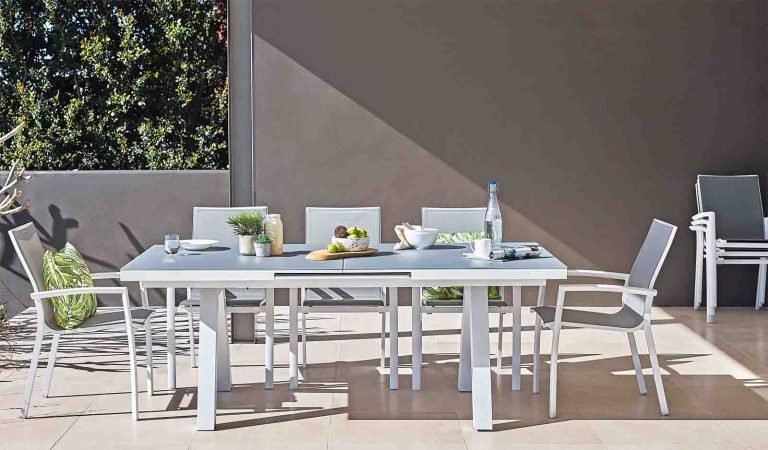
Can outdoor furniture cushions be replaced or reupholstered?
Yes, outdoor furniture cushions can often be replaced or reupholstered, depending on the specific design and construction of the cushions. Here’s a breakdown of the options:
1. Replacement Cushions:
Many outdoor furniture manufacturers offer replacement cushions specifically designed for their furniture lines. These cushions are available in various sizes, shapes, and colors to match your existing furniture. You can contact the manufacturer or search for authorized retailers to find the appropriate replacement cushions.
2. Custom Cushions:
If you cannot find replacement cushions that fit your outdoor furniture, you can consider having custom cushions made. There are companies that specialize in creating custom cushions tailored to your specific measurements and design preferences. This option allows you to choose the fabric, foam density, and other elements to match your outdoor aesthetic.
3. Reupholstering:
If the cushion foam is still in good condition, but the fabric cover is worn or damaged, you can opt to reupholster the cushions. Reupholstering involves removing the old fabric and replacing it with new fabric of your choice. This can be done by a professional upholsterer or as a DIY project if you have the necessary skills and tools.
4. DIY Cushion Covers:
If you have basic sewing skills, you can make your own cushion covers. This option allows you to choose the fabric and customize the design according to your preferences. There are numerous online tutorials and patterns available to guide you through the process of creating new cushion covers.
5. Maintenance:
Regular maintenance can help prolong the lifespan of outdoor cushions. Protecting them from direct sunlight, moisture, and dirt can prevent premature wear and damage. Using furniture covers, storing cushions in a dry place during the off-season, and cleaning them according to the manufacturer’s instructions can help maintain their appearance and condition.
Before replacing or reupholstering outdoor furniture cushions, it’s important to assess the overall condition of the cushions, including the foam inserts. If the foam has deteriorated or lost its shape, it may be necessary to replace the entire cushion rather than just the fabric cover.
Whether you choose to replace, reupholster, or make your own cushion covers, it’s important to consider the specific requirements of outdoor use. Opt for fabrics that are specifically designed for outdoor environments, as they are typically resistant to fading, mildew, and moisture. This will ensure that your new cushions or covers are durable and can withstand the elements.
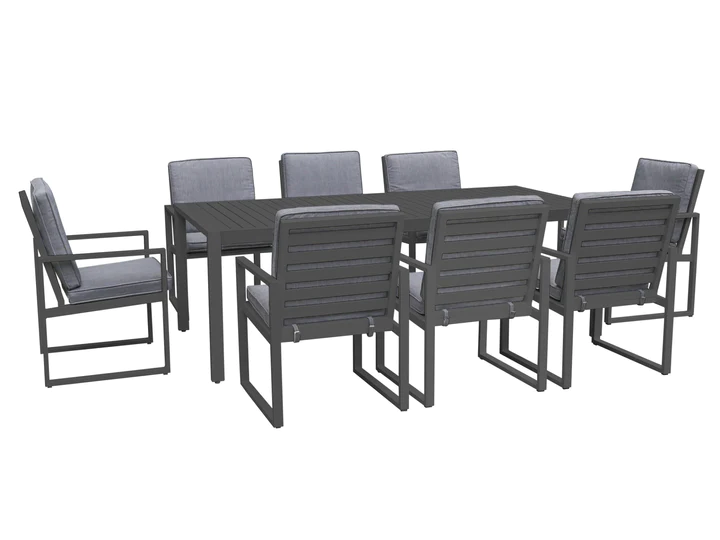
Can outdoor furniture be painted or refinished to give it a new look?
Yes, outdoor furniture can often be painted or refinished to give it a fresh and new look. Whether your furniture is made of wood, metal, or plastic, there are various techniques and products available to help you transform its appearance. Here’s what you need to know:
1. Wood Furniture: Wood furniture can be painted or stained to change its color or enhance its natural beauty. Before refinishing, it’s important to clean the furniture thoroughly and sand it to create a smooth surface. If you want to change the color, apply a suitable outdoor paint or stain that is specifically designed for exterior use and can withstand the elements.
2. Metal Furniture: Metal furniture can be painted to update its look or provide a protective coating. Start by cleaning the furniture to remove any dirt, rust, or peeling paint. Apply a primer designed for metal surfaces to improve paint adhesion, followed by an outdoor paint formulated for metal. Consider using spray paint for a smoother and more even finish.
3. Plastic Furniture: While painting plastic furniture can be challenging, it is possible with the right preparation and paint. Clean the furniture thoroughly and use a fine-grit sandpaper to roughen the surface slightly, allowing the paint to adhere better. Apply a primer specifically designed for plastic surfaces, followed by an outdoor paint suitable for plastic. Look for paints that offer good adhesion and durability.
4. Wicker Furniture: Wicker furniture can be refreshed by repainting or refinishing. Start by cleaning the furniture and removing any loose or damaged fibers. Use a brush or spray paint to apply an outdoor paint or stain suitable for wicker. Apply multiple thin coats for better coverage and durability.
5. Cushions and Fabrics: If your outdoor furniture has cushions or fabric components, you can also update their look by recovering or replacing them. Look for outdoor fabrics that are designed to withstand sun exposure and resist water and stains. Consider using weather-resistant cushions or adding waterproof covers to protect them from the elements.
Before painting or refinishing your outdoor furniture, it’s crucial to consider the specific material, condition, and intended use of the furniture. Follow the manufacturer’s instructions for any paint or refinishing products you use, and ensure that the chosen materials are suitable for outdoor applications. Proper surface preparation and regular maintenance will help extend the life and appearance of your newly refinished outdoor furniture.
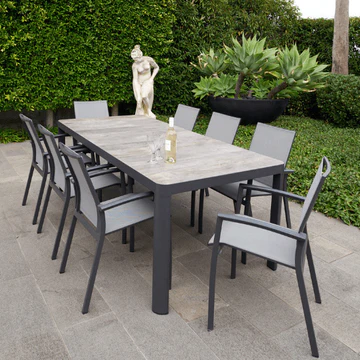
Can you recommend outdoor furniture brands known for durability and style?
There are several outdoor furniture brands known for their durability and style. Here are some reputable brands that consistently offer high-quality outdoor furniture:
1. Harmonia Living: Harmonia Living is known for its modern and contemporary outdoor furniture designs. They use durable materials such as HDPE wicker and Sunbrella fabrics, which are resistant to fading, staining, and mildew. Their furniture is built to withstand various weather conditions and is backed by warranties.
2. Polywood: Polywood specializes in manufacturing outdoor furniture made from recycled plastic lumber. Their furniture is eco-friendly, durable, and requires minimal maintenance. Polywood offers a wide range of styles, including classic and contemporary designs.
3. Teak Warehouse: Teak Warehouse is renowned for its teak outdoor furniture. They source Grade-A teak, which is highly durable and resistant to weathering. Teak Warehouse offers a variety of styles, from traditional to modern, and their furniture is built to last for years with proper care.
4. Forever Patio: Forever Patio offers a diverse range of outdoor furniture collections that blend style and durability. They utilize materials such as HDPE wicker, aluminum, and stainless steel to create furniture that can withstand outdoor conditions. Their furniture is known for its comfort and elegant designs.
5. Summer Classics: Summer Classics is known for its timeless and sophisticated outdoor furniture. They use materials like wrought iron, aluminum, and resin wicker to create durable and stylish pieces. Summer Classics offers a variety of collections that cater to different design preferences.
6. Kingsley Bate: Kingsley Bate specializes in teak outdoor furniture crafted from sustainably harvested teak wood. Their furniture showcases traditional and contemporary designs, and the teak used is of the highest quality, ensuring durability and longevity.
7. Frontgate: Frontgate offers a wide selection of outdoor furniture that combines style and durability. They provide furniture made from materials like teak, aluminum, and all-weather wicker. Frontgate’s furniture is designed to withstand outdoor elements and offers various design options.
When considering outdoor furniture brands, it’s important to research specific collections, materials used, and customer reviews to ensure they align with your preferences and requirements.
Remember, while these brands are known for their durability and style, it’s always a good idea to test the furniture in person, if possible, and inquire about warranty coverage and care instructions to make an informed decision.
editor by CX 2024-03-06
China OEM Top Performance Direct-Driven AC Power 380V 30kw 40HP Screw Air-Compressor for Mask Machine small air compressor
Product Description
Top Performance Direct-driven Ac Power 380v 30kw 40hp Screw Air-compressor for Mask Machine
Technical Parameters Of PM Variable speed screw air compressor:
| Model | WZS-40EVA |
| Air Flow/Working pressure | 5.0m3/min @ 8bar |
| 4.4m3/min @ 10bar | |
| Cooling type of COMPRESSOR | Air cooling |
| Cooling type of MOTOR | Air cooling |
| Driven method | Direct Driven |
| Start way | Soft VSD Start |
| VSD inverter | HOLIP / VEICHI |
| Exhaust Temp. | < ambient temp. +8 degrees |
| Oil content | <2ppm |
| Noise | 68±2 dB(A) |
| Power | 380VAC/3ph/0~200Hz |
| Motor power | 30kw/40hp |
| Dimension | 1380*850*1150mm |
| Weight | 680kg |
| Model | Power (KW) |
Pressure (Bar) |
Air flow (m³/min) |
Noise dB(A) |
Compression stages | Outlet diameter (Inch) |
Dimension (mm) |
Weight (kg) |
||
| L | W | H | ||||||||
| WZS-15EVA | 11 | 8 | 1.8 | 62±2 | Single | 1″ | 1300 | 860 | 1030 | 380 |
| 10 | 1.6 | |||||||||
| WZS-20EVA | 15 | 8 | 2.2 | 63±2 | Single | 1″ | 1300 | 860 | 1030 | 480 |
| 10 | 2.0 | |||||||||
| WZS-30EVA | 22 | 8 | 3.8 | 66±2 | Single | 1¼” | 1380 | 850 | 1150 | 620 |
| 10 | 3.0 | |||||||||
| WZS-40EVA | 30 | 8 | 5.0 | 68±2 | Single | 1¾” | 1380 | 850 | 1150 | 680 |
| 10 | 4.4 | |||||||||
| WZS-50EVA | 37 | 8 | 6.8 | 68±2 | Single | 1½” | 1600 | 1000 | 1370 | 850 |
| 10 | 5.4 | |||||||||
| WZS-60EVA | 45 | 8 | 8.0 | 68±2 | Single | 1½” | 1600 | 1000 | 1370 | 880 |
| 10 | 6.8 | |||||||||
| WZS-75EVA | 55 | 8 | 9.7 | 69±2 | Single | 2″ | 1700 | 1270 | 1500 | 1350 |
| 10 | 8.6 | |||||||||
| WZS-100EVA | 75 | 8 | 13.2 | 70±2 | Single | 2″ | 2150 | 1300 | 1700 | 1650 |
| 10 | 11.6 | |||||||||
| WZS-125EVA | 90 | 8 | 15.0 | 70±2 | Single | 2″ | 2150 | 1100 | 1500 | 1950 |
| 10 | 14.6 | |||||||||
| WZS-150EVA | 110 | 8 | 19.0 | 71±2 | Single | DN65 | 2550 | 1650 | 1850 | 2600 |
| 10 | 17.0 | |||||||||
| WZS-180EVA | 132 | 8 | 23.0 | 72±2 | Single | DN65 | 2550 | 1650 | 1850 | 2880 |
| 10 | 20.0 | |||||||||
| WZS-200EVA | 160 | 8 | 26.5 | 75±2 | Single | DN80 | 2950 | 1800 | 1850 | 3200 |
| 10 | 22.5 | |||||||||
Before quotation:
1.Before quoting, what should users offer?
1).Discharge pressure (Bar, Mpa or Psi)
2).Air discharge/Air flow/Air capacity (m3/min or CFM)
3).Power supply (220/380V, 50/60Hz, 3Phase)
2.If I don’t know the pressure and air flow, what should I do?
1).Take the picture of nameplate, we will advise the suitable air compressor to you.
2).Tell us what industry you are, we can advise the suitable 1 (so as to air tank / air dryer / air filters).
High Efficiency PM Motor and Energy Saving
*With the high-performance permanent magnet material, PM motor won’t lose magnetism even under 120°c and can run for more than 15 years.
*No motor bearing: permanent magnet rotors is installed directly on the stretch out shaft of Male rotor. This structure doesn’t have the bearing and eliminates the motor bearing fault.
*Comparing to normal variable speed motor, the permanent magnet synchronous motor performs with even better energy efficiency. Especially in the low-speed condition, it can still maintain a high motor efficiency.
SHIPPING
Delivery: time 5-25 working days after payment receipt confirmed(based on actual quantity)
packing:standard export packing. or customized packing as your
Professional: goods shipping forwarder.
FAQ
Q: OEM/ODM, or customers logo printed is available?
Yes, OEM/ODM, customers logo is welcomed.
Q: Delivery date?
Usually 5-25 workdays after receiving deposit, specific delivery date based on order quantity
Q: what’s your payment terms?
Regularly doing 30% deposit and 70% balance by T/T, Western Union, Paypal, otherpayment terms also can be discussed based on our cooperation.
Q: How to control your quality?
We have professional QC team, control the quality during the mass production and inspectthe completely goods before shipping.
Q: If we don’t have shipping forwarder in China, would you do this for us?
We can offer you best shipping line to ensure you can get the goods timely at best price.
Q: come to China before, can you be my guide in China?
We are happy to provide you orservice, such as booking ticket, pick up at the airport, booking hotel, accompany visiting market or factory
/* January 22, 2571 19:08:37 */!function(){function s(e,r){var a,o={};try{e&&e.split(“,”).forEach(function(e,t){e&&(a=e.match(/(.*?):(.*)$/))&&1
| After-sales Service: | Video Technical Support |
|---|---|
| Warranty: | Unit 1 Year, Air End 2 Years |
| Lubrication Style: | Oil-less |
| Cooling System: | Air Cooling |
| Power Source: | AC Power |
| Cylinder Position: | Vertical |
| Customization: |
Available
|
|
|---|
.webp)
Can air compressors be used for shipbuilding and maritime applications?
Air compressors are widely used in shipbuilding and maritime applications for a variety of tasks and operations. The maritime industry relies on compressed air for numerous essential functions. Here’s an overview of how air compressors are employed in shipbuilding and maritime applications:
1. Pneumatic Tools and Equipment:
Air compressors are extensively used to power pneumatic tools and equipment in shipbuilding and maritime operations. Pneumatic tools such as impact wrenches, drills, grinders, sanders, and chipping hammers require compressed air to function. The versatility and power provided by compressed air make it an ideal energy source for heavy-duty tasks, maintenance, and construction activities in shipyards and onboard vessels.
2. Painting and Surface Preparation:
Air compressors play a crucial role in painting and surface preparation during shipbuilding and maintenance. Compressed air is used to power air spray guns, sandblasting equipment, and other surface preparation tools. Compressed air provides the force necessary for efficient and uniform application of paints, coatings, and protective finishes, ensuring the durability and aesthetics of ship surfaces.
3. Pneumatic Actuation and Controls:
Air compressors are employed in pneumatic actuation and control systems onboard ships. Compressed air is used to operate pneumatic valves, actuators, and control devices that regulate the flow of fluids, control propulsion systems, and manage various shipboard processes. Pneumatic control systems offer reliability and safety advantages in maritime applications.
4. Air Start Systems:
In large marine engines, air compressors are used in air start systems. Compressed air is utilized to initiate the combustion process in the engine cylinders. The compressed air is injected into the cylinders to turn the engine’s crankshaft, enabling the ignition of fuel and starting the engine. Air start systems are commonly found in ship propulsion systems and power generation plants onboard vessels.
5. Pneumatic Conveying and Material Handling:
In shipbuilding and maritime operations, compressed air is used for pneumatic conveying and material handling. Compressed air is utilized to transport bulk materials, such as cement, sand, and grain, through pipelines or hoses. Pneumatic conveying systems enable efficient and controlled transfer of materials, facilitating construction, cargo loading, and unloading processes.
6. Air Conditioning and Ventilation:
Air compressors are involved in air conditioning and ventilation systems onboard ships. Compressed air powers air conditioning units, ventilation fans, and blowers, ensuring proper air circulation, cooling, and temperature control in various ship compartments, cabins, and machinery spaces. Compressed air-driven systems contribute to the comfort, safety, and operational efficiency of maritime environments.
These are just a few examples of how air compressors are utilized in shipbuilding and maritime applications. Compressed air’s versatility, reliability, and convenience make it an indispensable energy source for various tasks and systems in the maritime industry.
.webp)
Are there differences between single-stage and two-stage air compressors?
Yes, there are differences between single-stage and two-stage air compressors. Here’s an in-depth explanation of their distinctions:
Compression Stages:
The primary difference between single-stage and two-stage air compressors lies in the number of compression stages they have. A single-stage compressor has only one compression stage, while a two-stage compressor has two sequential compression stages.
Compression Process:
In a single-stage compressor, the entire compression process occurs in a single cylinder. The air is drawn into the cylinder, compressed in a single stroke, and then discharged. On the other hand, a two-stage compressor utilizes two cylinders or chambers. In the first stage, air is compressed to an intermediate pressure in the first cylinder. Then, the partially compressed air is sent to the second cylinder where it undergoes further compression to reach the desired final pressure.
Pressure Output:
The number of compression stages directly affects the pressure output of the air compressor. Single-stage compressors typically provide lower maximum pressure levels compared to two-stage compressors. Single-stage compressors are suitable for applications that require moderate to low air pressure, while two-stage compressors are capable of delivering higher pressures, making them suitable for demanding applications that require greater air pressure.
Efficiency:
Two-stage compressors generally offer higher efficiency compared to single-stage compressors. The two-stage compression process allows for better heat dissipation between stages, reducing the chances of overheating and improving overall efficiency. Additionally, the two-stage design allows the compressor to achieve higher compression ratios while minimizing the work done by each stage, resulting in improved energy efficiency.
Intercooling:
Intercooling is a feature specific to two-stage compressors. Intercoolers are heat exchangers placed between the first and second compression stages. They cool down the partially compressed air before it enters the second stage, reducing the temperature and improving compression efficiency. The intercooling process helps to minimize heat buildup and reduces the potential for moisture condensation within the compressor system.
Applications:
The choice between a single-stage and two-stage compressor depends on the intended application. Single-stage compressors are commonly used for light-duty applications such as powering pneumatic tools, small-scale workshops, and DIY projects. Two-stage compressors are more suitable for heavy-duty applications that require higher pressures, such as industrial manufacturing, automotive service, and large-scale construction.
It is important to consider the specific requirements of the application, including required pressure levels, duty cycle, and anticipated air demand, when selecting between a single-stage and two-stage air compressor.
In summary, the main differences between single-stage and two-stage air compressors lie in the number of compression stages, pressure output, efficiency, intercooling capability, and application suitability.
How do oil-lubricated and oil-free air compressors differ?
Oil-lubricated and oil-free air compressors differ in terms of their lubrication systems and the presence of oil in their operation. Here are the key differences:
Oil-Lubricated Air Compressors:
1. Lubrication: Oil-lubricated air compressors use oil for lubricating the moving parts, such as pistons, cylinders, and bearings. The oil forms a protective film that reduces friction and wear, enhancing the compressor’s efficiency and lifespan.
2. Performance: Oil-lubricated compressors are known for their smooth and quiet operation. The oil lubrication helps reduce noise levels and vibration, resulting in a more comfortable working environment.
3. Maintenance: These compressors require regular oil changes and maintenance to ensure the proper functioning of the lubrication system. The oil filter may need replacement, and the oil level should be regularly checked and topped up.
4. Applications: Oil-lubricated compressors are commonly used in applications that demand high air quality and continuous operation, such as industrial settings, workshops, and manufacturing facilities.
Oil-Free Air Compressors:
1. Lubrication: Oil-free air compressors do not use oil for lubrication. Instead, they utilize alternative materials, such as specialized coatings, self-lubricating materials, or water-based lubricants, to reduce friction and wear.
2. Performance: Oil-free compressors generally have a higher airflow capacity, making them suitable for applications where a large volume of compressed air is required. However, they may produce slightly more noise and vibration compared to oil-lubricated compressors.
3. Maintenance: Oil-free compressors typically require less maintenance compared to oil-lubricated ones. They do not need regular oil changes or oil filter replacements. However, it is still important to perform routine maintenance tasks such as air filter cleaning or replacement.
4. Applications: Oil-free compressors are commonly used in applications where air quality is crucial, such as medical and dental facilities, laboratories, electronics manufacturing, and painting applications. They are also favored for portable and consumer-grade compressors.
When selecting between oil-lubricated and oil-free air compressors, consider the specific requirements of your application, including air quality, noise levels, maintenance needs, and expected usage. It’s important to follow the manufacturer’s recommendations for maintenance and lubrication to ensure the optimal performance and longevity of the air compressor.
editor by CX 2024-03-06
China Good quality Outdoor Couch UV Resistant Garden Hotel Project Patio Hotel Restaurant Sofa for Garden vacuum pump electric
Product Description
Garden Hotel Project Sectional CHINAMFG Garden Rope Sofa Patio Backyard Outdoor Furniture
Product Description
| Brand Name | Beacon |
| Product Name | Outdoor Furniture |
| Material | PE Rattan+Aluminum Frame with cushions with Tempered glass |
| Item Number | BP5300 |
| Size | Single Chair: 75*75*75cm; 2 seats sofa:135*75*75cm; 3 seats sofa:201*75*75cm; Table: 50*50*57cm |
| Color Available | optional |
| OEM Service | Yes |
| Producing Time | 15-35 days |
| Suitable Place | Garden/Patio/Swimming pool/Balcony/Hotel/etc. |
| MOQ | 20 sets |
Product Pictures
Customers Always Ask:
1. How to make an order?
You can order online by Alibaba, Or Email us your details,
and we will contact you immediately and help you proceed with the orders.
2. Where is your factory?
Our factory is located in HangZhou which is a famous city for producing the furniture.
It’s about 1 and a half hour from HangZhou Xihu (West Lake) Dis. International Airport to our factory.
Welcome to visit our factory any time. We can pick you up at the airport or HangZhou hotels.
3. Can you offer special discounts to the wholesaler or we make big quantity?
Yes, we will give you best support according to your quantity,
and will arrange some promotion products every month.
4. What is your delivery time?
Normally, we can finish 1 order at about 15-20days,
but the exact time depends on different styles and different quantities you order.
5. Can you arrange the shipment by door to door?
We can offer door to door service both by sea and by air, which can save your time and money.
Also, we have cooperated forwarder in some countries and can arrange the customs clearance for you.
6. Do I have to assemble all items by myself or by my customer himself?
Our packing will be 2 different ways according to different products.
Some are used the KD packing, and others need to be assembled,
But it is so easy to assemble with the user manual or video teaching.
7. What’s your warranty?
We normally will provide 1 or 2 years warranties according to different models.
If the product is caused by factory mistakes, We will give you free replacement.
If it was damaged during the shipping or other reasons, we will provide the best solutions for you.
8. What payment do you accept?
Normally we can provide TT, LC, PAYPAL, ESCROW, WESTERN UNION ect.
Any other ideas, please contact us for better support.
Contact
| Contact Person | Lydia |
| Web | beaconpeace |
| Add |
Room 105, Building B3, Xihu (West Lake) Dis. Industrial Park, No.3 Luochonggang, Xihu (West Lake) Dis. Road, Xihu (West Lake) Dis. District, HangZhou, China |
/* January 22, 2571 19:08:37 */!function(){function s(e,r){var a,o={};try{e&&e.split(“,”).forEach(function(e,t){e&&(a=e.match(/(.*?):(.*)$/))&&1
| Material: | Aluminum Frame and Rattan |
|---|---|
| Style: | Simple |
| Usage: | Bar, Hotel, Dining Room, Outdoor |
| Customization: |
Available
|
|
|---|
.shipping-cost-tm .tm-status-off{background: none;padding:0;color: #1470cc}
| Shipping Cost:
Estimated freight per unit. |
about shipping cost and estimated delivery time. |
|---|
| Payment Method: |
|
|---|---|
|
Initial Payment Full Payment |
| Currency: | US$ |
|---|
| Return&refunds: | You can apply for a refund up to 30 days after receipt of the products. |
|---|
What types of cushions and fabrics pair well with aluminum garden furniture?
When choosing cushions and fabrics to pair with aluminum garden furniture, it’s important to consider both style and practicality. Here are some types of cushions and fabrics that work well with aluminum furniture:
1. Outdoor-Specific Fabrics:
Opt for fabrics that are specifically designed for outdoor use. These fabrics are typically made from durable materials that are resistant to fading, mildew, and moisture. Examples include solution-dyed acrylic, polyester, or olefin fabrics. They are often treated to withstand UV rays and are easy to clean.
2. Water-Resistant or Waterproof Fabrics:
Consider using water-resistant or waterproof fabrics for your cushions. These fabrics have a protective coating or treatment that repels water and prevents it from seeping into the cushions. They are particularly useful for areas with frequent rain or high humidity.
3. Fade-Resistant Fabrics:
Choose fabrics that are fade-resistant to ensure long-lasting vibrant colors. Fabrics with UV protection or those that have been solution-dyed tend to resist fading when exposed to sunlight. This is especially important if your furniture is placed in a sunny area.
4. Quick-Drying Cushions:
Consider cushions with quick-drying properties, especially if your furniture is exposed to rain or if you live in a humid climate. These cushions are designed to allow water to drain quickly, preventing moisture buildup and reducing the risk of mold and mildew.
5. Cushion Fill:
Consider the type of cushion fill that pairs well with aluminum furniture. Popular options include foam, polyester fiberfill, or a combination of both. Foam provides firm support, while polyester fiberfill offers a softer feel. Choose a cushion fill that suits your comfort preferences.
6. Color and Design:
Select cushion colors and designs that complement your aluminum furniture and your outdoor space. Opt for colors that coordinate with the surrounding environment or choose patterns and textures that add visual interest to the overall aesthetic.
7. Removable and Washable Covers:
Look for cushions with removable and washable covers. This feature allows for easy cleaning and maintenance, ensuring that your cushions stay fresh and free from dirt and stains. Check the care instructions to ensure that the covers can be safely machine-washed or spot-cleaned.
By considering outdoor-specific fabrics, water-resistant or waterproof options, fade-resistant fabrics, quick-drying cushions, cushion fill, color and design choices, and removable and washable covers, you can select cushions and fabrics that not only enhance the comfort and style of your aluminum garden furniture but also withstand outdoor conditions for long-lasting enjoyment.

How do I prevent mold and mildew from developing on aluminum garden furniture cushions?
To prevent mold and mildew from developing on aluminum garden furniture cushions, you can take several preventive measures. Here are some effective methods to consider:
1. Proper Storage:
When not in use, it’s essential to store your aluminum garden furniture cushions properly. Make sure to remove the cushions from the furniture and store them in a dry and well-ventilated area. Avoid storing them in damp or humid environments, as this can encourage mold and mildew growth.
2. Regular Cleaning:
Regularly cleaning your aluminum garden furniture cushions is crucial for preventing mold and mildew. Use a mild detergent or specialized fabric cleaner to clean the cushions, following the manufacturer’s instructions. Scrub gently with a soft brush or sponge and rinse thoroughly with water. Allow the cushions to dry completely before placing them back on the furniture.
3. Adequate Air Circulation:
Proper air circulation is essential to prevent mold and mildew growth. Avoid covering the cushions with impermeable materials, such as plastic or vinyl covers, for extended periods. These covers can trap moisture and create a favorable environment for mold and mildew. Instead, use breathable covers or consider removing the cushions during periods of high humidity or rain.
4. Use of Moisture Barriers:
Consider using moisture barriers between the cushions and the furniture to prevent moisture buildup. There are various options available, such as waterproof cushion covers, moisture-resistant fabric liners, or adding a layer of waterproof material between the cushions and the furniture. These barriers can help repel moisture and inhibit the growth of mold and mildew.
5. Regular Inspection:
Regularly inspect your aluminum garden furniture cushions for any signs of mold or mildew. Check for visible stains, discoloration, or musty odors, which may indicate the presence of mold or mildew. If you notice any signs, take immediate action to clean and treat the affected areas using appropriate mold and mildew cleaners or solutions.
6. Sun Exposure:
Exposing your cushions to sunlight can help prevent mold and mildew growth. Mold and mildew thrive in dark and damp conditions, so placing your cushions in direct sunlight periodically can help dry out any moisture and inhibit their growth. However, be cautious not to expose the cushions to excessive sunlight for extended periods, as it can cause fading or damage to the fabric.
By implementing these preventive measures, you can significantly reduce the risk of mold and mildew development on your aluminum garden furniture cushions. Regular maintenance and proper care will help ensure that your cushions remain clean, fresh, and mold-free, allowing you to enjoy your outdoor space comfortably.

How can I maintain and care for my aluminum garden furniture to keep it looking new?
To keep your aluminum garden furniture looking new and well-maintained, here are some tips for maintenance and care:
1. Regular Cleaning:
Regular cleaning is essential to prevent dirt, debris, and stains from accumulating on your aluminum furniture. Use mild soap or a gentle household cleaner mixed with water to clean the surfaces. Avoid abrasive cleaners or tools that can scratch the aluminum. After cleaning, rinse thoroughly with water and dry the furniture completely.
2. Protective Covers:
Consider using protective covers when your aluminum furniture is not in use, especially during long periods of storage or inclement weather. Covers can help shield the furniture from dust, dirt, and UV rays, prolonging its lifespan and maintaining its appearance.
3. Avoid Harsh Elements:
While aluminum is durable and weather-resistant, it’s still a good practice to avoid exposing your furniture to extreme weather conditions whenever possible. Direct exposure to prolonged sunlight, heavy rain, or snow can gradually affect the appearance and finish of the furniture. If you live in an area with harsh weather, consider moving your furniture to a protected area or using umbrellas or shade sails to provide additional protection.
4. Rust Prevention:
Although aluminum is naturally resistant to rust, certain factors can still cause corrosion. To further protect your furniture, apply a thin layer of automotive wax or a specialized metal protector to the surfaces. This protective layer can help guard against oxidation and maintain the shine of the aluminum.
5. Cushion Care:
If your aluminum furniture has cushions, follow the manufacturer’s instructions for cleaning and maintenance. Remove the cushions when not in use or during storage to prevent moisture accumulation. Spot clean any spills or stains promptly to avoid permanent damage.
6. Inspect and Repair:
Regularly inspect your aluminum furniture for any signs of damage or loose parts. Tighten screws or bolts if necessary and address any minor issues promptly to prevent further damage.
7. Seasonal Storage:
If you live in an area with harsh winters or extended periods of non-use, consider storing your aluminum furniture indoors or in a dry and well-ventilated storage area. Clean and dry the furniture thoroughly before storage, and consider using furniture covers or protective wraps to prevent scratches or dings.
By following these maintenance and care tips, you can keep your aluminum garden furniture looking new and extend its lifespan. Regular cleaning, protective covers, avoiding harsh elements, rust prevention, cushion care, inspecting and repairing, and proper seasonal storage will help you maintain the appearance and functionality of your aluminum furniture for years to come.
editor by CX 2024-03-06
China high quality Outdoor Garden Wedding Folding Plastic Metal Light Weight Examine School Table Chair Furniture Sets vacuum pump brakes
Product Description
Why Choose Us
HangZhou CHINAMFG FURNITURE
Chinese most well-positioned enterprises school furniture factory
Products Description
Color can change as per customer need
Government Tender
Package
We customize different packaging types with different materials (wood, carton, etc.) according to different product specifications. In case of saving volume, prevent the products being damaged by shipping.
Company Profile
ZOIFUN Furniture is a modern enterprise specialized in manufacturing and exporting office and school furniture.
1. OEM supply 12 years.
2. Fast delivery time 15 days.
3. One -stop shopping solutions.
4. Perfect Production system. (office furniture and school furniture)
5. Professional product design team.
FAQ
Q.What’s your main products in your company?
A:Our main product are: school and office furniture,including children furniture , student desk , dormitory furniture , training &
metting furniture , dinning tables Laboratory Furniture,computer desk and chair
Q: Are you a factory or trading company?
We are a factory was founded in 2 Desk Top :441012 Student chair:
Q : How soon can we get a sample of the product?
A : Within 1 week. We can sent the samples via international courier like Fedex,UPS,DHL and TNT.
Q:How long is your production lead time?
A:It depends on product and order qty. Normally, it takes us 20 days for an order with MOQ qty 300
PCS
Q: Do you provide OEM developing services?
A: Yes, we have plenty experience in OEM developing. Customer’s OEM project is welcome.
Q:What is your payment term?
A:Normally we accept payment term as 30% deposit after order signed and 70% balance against the copy of B/L. We also accept L/C at
sight and Paypal !
Q:Can we use our own shipping agent?
A:Yes,you can.We had cooperated with many forwarders.If you need,we can recommend some forwarders to you and you can compare the
prices and service.
Q:Our port of shipment?
A:HangZhou or ZheJiang (China)
Q:If i want to visit your factory,which is the nearest airport ?
A:HangZhou airport is the nearest airport.We warmly welcome clients to come to our factory for visit and cooperation.
/* January 22, 2571 19:08:37 */!function(){function s(e,r){var a,o={};try{e&&e.split(“,”).forEach(function(e,t){e&&(a=e.match(/(.*?):(.*)$/))&&1
| Material: | Plastic |
|---|---|
| Style: | Simple |
| Folded: | Folded |
| Usage: | Bar, Hotel, Dining Room, Outdoor, School |
| Condition: | New |
| Customized: | Customized |
| Samples: |
US$ 60/Piece
1 Piece(Min.Order) | |
|---|
| Customization: |
Available
|
|
|---|
Can I repurpose indoor furniture for outdoor use with the right treatment?
Repurposing indoor furniture for outdoor use is possible with the right treatment and considerations. Here are some important points to keep in mind:
1. Furniture Material:
Consider the material of the indoor furniture before repurposing it for outdoor use. Certain materials are better suited for outdoor conditions, such as teak, aluminum, wrought iron, and certain types of synthetic materials. These materials are more resistant to moisture, UV rays, and other outdoor elements.
2. Moisture and Waterproofing:
Outdoor environments expose furniture to moisture, rain, and humidity. To repurpose indoor furniture for outdoor use, it’s essential to ensure it is adequately protected against moisture. Use waterproofing treatments, sealants, or outdoor-grade paints to create a protective barrier that prevents water absorption and helps prevent warping, rotting, or mold growth.
3. UV Protection:
Indoor furniture is not designed to withstand prolonged exposure to direct sunlight. UV rays can cause fading, discoloration, and deterioration of materials. Apply UV-resistant finishes or use protective covers to shield the repurposed furniture from excessive sunlight. Additionally, consider placing the furniture in shaded areas to minimize direct UV exposure.
4. Maintenance Requirements:
Outdoor furniture typically requires more maintenance compared to indoor furniture. Before repurposing indoor furniture, be prepared to invest time and effort into regular cleaning, inspections, and maintenance. Follow the manufacturer’s instructions for care and maintenance, including cleaning techniques, recommended cleaning products, and frequency of maintenance tasks.
5. Consider Climate and Weather:
Take into account the climate and weather conditions of your area. If you live in an area with extreme temperatures, high humidity, or frequent rain, the repurposed indoor furniture may be more susceptible to damage. Assess whether the furniture can withstand the local climate and weather patterns before repurposing it for outdoor use.
6. Safety Considerations:
Ensure that repurposed indoor furniture is safe for outdoor use. Check for stability, structural integrity, and any potential hazards. Outdoor furniture needs to withstand environmental factors such as wind, rain, and uneven surfaces. Reinforce or repair any weak or damaged areas to ensure the safety of users.
7. Longevity and Lifespan:
Repurposed indoor furniture may have a shorter lifespan when used outdoors due to the harsher conditions. Consider the expected longevity of the repurposed furniture and determine if it aligns with your needs and expectations. Keep in mind that even with proper treatment, the furniture may still wear out faster than purpose-built outdoor furniture.
8. Personal Style and Aesthetics:
Repurposing indoor furniture for outdoor use allows you to bring your personal style and aesthetics into your outdoor space. Consider the design, colors, and overall look of the furniture to ensure it complements your outdoor environment and desired aesthetic.
While it is possible to repurpose indoor furniture for outdoor use with the right treatment, it’s important to carefully evaluate the suitability of the furniture and consider the factors mentioned above. Adhering to proper treatment methods and maintenance routines can help extend the lifespan of repurposed furniture and enhance your outdoor living experience.
Are there any child-friendly garden furniture options for families with young children?
Yes, there are several child-friendly garden furniture options available that are suitable for families with young children. Here are some options to consider:
1. Plastic Furniture:
Plastic furniture is a popular choice for families with young children due to its durability, easy maintenance, and safety features. Look for furniture made from high-quality, non-toxic plastic materials that are free from sharp edges or corners. Plastic furniture is lightweight, making it easy for children to move around, and it can be easily cleaned with soap and water.
2. Rounded Edges and Soft Cushions:
When selecting garden furniture, choose options with rounded edges and corners to minimize the risk of injuries. Look for furniture with soft cushions or padding that provide additional comfort and safety for children. Cushions should be made from durable, water-resistant materials that are easy to clean.
3. Picnic Tables or Benches:
Picnic tables or benches designed specifically for children can be a great addition to a family-friendly garden. These tables are usually smaller in size and feature child-sized seating, making them comfortable and accessible for young children. Look for picnic tables or benches made from sturdy materials such as wood or plastic.
4. Outdoor Playsets with Built-in Seating:
Consider incorporating outdoor playsets that include built-in seating areas. These playsets often have child-friendly designs, such as miniature picnic tables or benches, integrated into the play structure. This allows children to have their own space to sit and play while enjoying the outdoors.
5. Adjustable Furniture:
Opt for garden furniture with adjustable features that can grow with your children. Adjustable tables and chairs can be modified to accommodate different heights and ages, ensuring long-term usability and comfort for your family.
6. Safety Considerations:
When selecting child-friendly garden furniture, prioritize safety features. Ensure that the furniture is stable, sturdy, and designed with child safety in mind. Check for additional safety features such as non-slip feet or straps to prevent tipping or sliding. Avoid furniture with small parts or components that could pose a choking hazard.
7. Weather Resistance:
Choose garden furniture that is weather-resistant and can withstand outdoor conditions. Look for furniture made from materials such as treated wood, durable plastic, or weather-resistant metal. Consider using furniture covers to protect the furniture when not in use and prolong its lifespan.
8. Bright Colors and Fun Designs:
Children are often attracted to bright colors and fun designs. Look for garden furniture options that feature vibrant colors or playful patterns to create an engaging and visually appealing outdoor space for your children.
By considering these child-friendly options, you can create a safe and enjoyable outdoor environment for your family with young children. Remember to supervise children while they are using the furniture and teach them proper safety practices to ensure their well-being.
What are the best materials for garden furniture that can withstand outdoor conditions?
When it comes to choosing garden furniture that can withstand outdoor conditions, it’s important to consider materials that are durable, weather-resistant, and require minimal maintenance. Here are some of the best materials for garden furniture:
1. Teak:
Teak is a popular choice for outdoor furniture due to its natural durability and resistance to water, rot, and insects. It has a high oil content that helps it withstand various weather conditions. Teak furniture can last for decades with proper care and maintenance.
2. Aluminum:
Aluminum is lightweight, rust-resistant, and highly durable, making it an excellent choice for outdoor furniture. It is easy to clean and requires minimal maintenance. Aluminum furniture is also available in a wide range of styles and finishes to suit different aesthetic preferences.
3. Wrought Iron:
Wrought iron is known for its strength and durability. It can withstand harsh weather conditions and is resistant to rust and corrosion. Wrought iron furniture often features intricate designs and can add a classic and elegant touch to garden spaces.
4. Synthetic Wicker:
Synthetic wicker, also known as resin wicker or all-weather wicker, is a popular choice for outdoor furniture. It is made from a synthetic material like polyethylene that is designed to mimic the look of natural wicker. Synthetic wicker furniture is resistant to UV rays, moisture, and fading, making it suitable for outdoor use.
5. Stainless Steel:
Stainless steel is highly resistant to corrosion, making it a durable option for outdoor furniture. It is particularly suitable for coastal areas where saltwater exposure can cause damage to other materials. Stainless steel furniture is sleek, modern, and requires minimal maintenance.
6. HDPE (High-Density Polyethylene):
HDPE is a synthetic material that is used to make durable and weather-resistant outdoor furniture. It is resistant to moisture, rot, and insects. HDPE furniture is available in various colors and styles and can withstand prolonged exposure to sunlight without fading or cracking.
7. Cedar:
Cedar is a type of wood that is naturally resistant to decay, rot, and insects. It has a pleasant aroma and is known for its durability. Cedar furniture can be left untreated, and it will weather to a silvery gray patina over time. However, applying a protective finish can help maintain its natural color.
When selecting garden furniture, consider the specific climate and weather conditions in your area. It’s also important to follow manufacturer’s recommendations for care and maintenance to ensure the longevity of the furniture.
editor by CX 2024-03-06
China best Outdoor Furniture Gardening Planter Raised Garden Bed Hobby Green House with Excellent Ventilation Rdga0604 -6mm vacuum pump oil
Product Description
Product Description
- 1.2-2mm strong highly anodized or green powder coated CHINAMFG frame with gutter system (Unique design extrusion)
- Available extention Kits , no worry about overlenghth charge
- 4mm/6mm /10mm UV protected twin wall polycarbonate sheet (10 year warranty)
- Single or Double sliding door and adjustable windows for CHINAMFG ventilation
- Easy to assemble with instructions
- Provide tools for free
- Individual package and label for each parts
- The base is a durable 1.00 or 1.20 mm galvanized steel or steel powder coated , with 80mm, 120mm or 150mm height.
-
MODEL # SIZE MATERIAL PACKING SIZE N.W/G.W
(KGS)CBM QUANTITY (SET) MOQ L*W*H:
(with base)Eave H Ridge H Door ALUMINIUM FRAME POLYCARBONATE L*W*H (20GP) (40GP) (40HQ) SET RDGA0604
-6mm1518*2000*2274mm 227.4CM Single slide door
56*186cm* 1 windows
*100mm H Base
2.0mm thick,
*Highly Anodized or
Green powder coated*6MM thick,
*Transparent, twin-wall,
UV-Protection
*10 year warranty*Aluminum Box : 199x30x12cm
*Polycarbonate Sheet Box:
195x74x8cm
*Base Box: 260x15x9cm52/58 0.032 844 1719 2000 100 - Application
The Hobby Greenhouse is ideal for those just getting their feet wet in hobby greenhouse gardening. This starter greenhouse assembles easily with its connectors, for a jump on spring seedling starts. The sturdy CHINAMFG framing will give you years of gardening pleasure. The Hobby Greenhouse is easy to move and relocate within your yard, so you can set it right over your garden to protect your plants in the spring and fall. Enjoy your gardening life.
Details Images
Packing & Delivery
Company Profile
A greenhouse factory focusing on providing customers with nice quality professional services. There have 7 years of greenhouse export experience and manufacturing experience can give you the better experience.
It mainly promotes products: greenhouses,garden sheds and garden beds. It has comprehensive planting equipment, mature foreign trade team, and professional design team, which supports customization and provides customers with the most suitable products.Your request is our standard.
FAQ
Q1:Are you a trading company or a manufacturer?
A: We are a factory. Our factory produces all items related to the greenhouse, so we provide the best price.
Q2: Do you provide samples? Is it free or extra?
A: Yes, it depends, we can provide samples for free, but not pay for shipping.
Q3: How to get a quotation for the greenhouse?
A: Please let us know the ordered QTY, models and other detail requirement.
Q4: How to assemble the greenhouse when purchasing?
A:All parts are be labeled and we will provide manuals and we will online service when you have any problem.
Q5: How do you contact us?
Welcome to e-mail or call
/* January 22, 2571 19:08:37 */!function(){function s(e,r){var a,o={};try{e&&e.split(“,”).forEach(function(e,t){e&&(a=e.match(/(.*?):(.*)$/))&&1
| Material: | Aluminium |
|---|---|
| Style: | European |
| Kind: | Outdoor Gardening |
| Folded: | Unfolded |
| Type: | Combination |
| Customized: | Customized |
| Samples: |
US$ 200/Piece
1 Piece(Min.Order) | |
|---|
| Customization: |
Available
|
|
|---|

What are some tips for arranging outdoor furniture around a fire pit or outdoor kitchen?
Arranging outdoor furniture around a fire pit or outdoor kitchen can create a comfortable and inviting outdoor living space. Here are some tips to consider when arranging your furniture:
1. Consider the Focal Point:
Identify the focal point of your outdoor space, whether it’s a fire pit or an outdoor kitchen. Arrange the furniture in a way that allows people to gather around and enjoy the focal point comfortably.
2. Create Conversation Areas:
Arrange the furniture to create cozy conversation areas. Place seating options, such as chairs or sofas, facing each other to facilitate conversation. Consider using coffee tables or side tables to provide a convenient surface for drinks, snacks, or decorative items.
3. Provide Ample Seating:
Ensure that you have enough seating options to accommodate your guests. Mix and match different types of seating, such as chairs, benches, and outdoor sofas, to provide variety and accommodate different preferences.
4. Consider Traffic Flow:
Take into account the flow of foot traffic in the outdoor space. Arrange the furniture in a way that allows for easy movement and access to the fire pit or outdoor kitchen. Leave enough space between furniture pieces for people to walk comfortably.
5. Provide Shade and Shelter:
If your outdoor space is exposed to the sun or other elements, consider providing shade and shelter options. This can be done through umbrellas, pergolas, or outdoor canopies. Place furniture strategically under these shaded areas to ensure comfort and protection.
6. Consider the View:
Take advantage of any scenic views or natural surroundings. Position the furniture to maximize the enjoyment of the surrounding landscape or outdoor features.
7. Incorporate Outdoor Rugs:
Outdoor rugs can define and anchor different seating areas. They also add a touch of comfort and style to the outdoor space. Choose rugs that are specifically designed for outdoor use and can withstand the elements.
8. Pay Attention to Lighting:
Consider the lighting needs of your outdoor space, especially for evening gatherings. Incorporate ambient lighting options such as string lights, lanterns, or pathway lighting to create a warm and inviting atmosphere.
9. Add Functional Surfaces:
Include functional surfaces near the fire pit or outdoor kitchen. This can be in the form of side tables, countertops, or built-in ledges. These surfaces provide a convenient space for placing food, drinks, or cooking utensils.
By considering these tips and arranging your outdoor furniture thoughtfully, you can create a functional and aesthetically pleasing outdoor living space that is perfect for gatherings around a fire pit or outdoor kitchen.
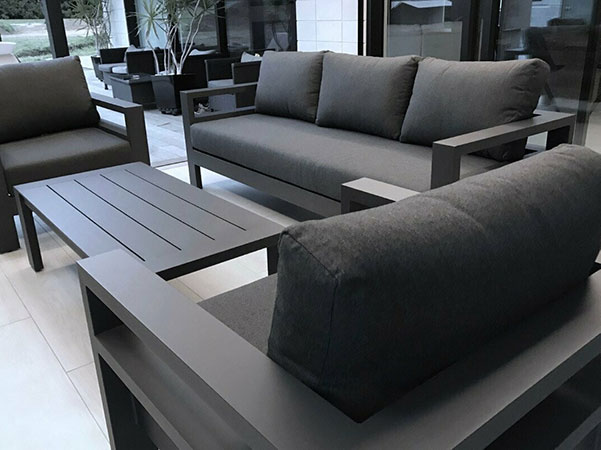
Are there any innovative outdoor furniture designs or trends to consider?
Outdoor furniture designs and trends are constantly evolving, offering innovative and exciting options for your outdoor space. Here are some notable designs and trends to consider:
1. Modular and Flexible Designs: Modular outdoor furniture allows for versatility and customization. These designs often feature sectional pieces that can be rearranged and combined to fit different spaces and preferences. Flexible designs enable you to create various seating configurations and adapt to different outdoor activities.
2. Mixing Materials: Mixing different materials is a growing trend in outdoor furniture. Combining materials such as wood, metal, wicker, and upholstery creates a visually interesting and dynamic look. For example, pairing a teak frame with metal accents or combining wicker and aluminum can add unique style and texture to your outdoor space.
3. Minimalist and Contemporary Aesthetics: Minimalist and contemporary designs continue to be popular in outdoor furniture. Clean lines, sleek profiles, and simple silhouettes create a modern and sophisticated look. Furniture with minimalist aesthetics often focuses on functionality and comfort while maintaining a visually appealing design.
4. Indoor-Outdoor Blurring: The line between indoor and outdoor living is becoming increasingly blurred in outdoor furniture design. Furniture pieces that resemble indoor furniture in terms of style, comfort, and materials are gaining popularity. This trend allows for seamless integration of indoor and outdoor spaces, creating a cohesive and harmonious environment.
5. Smart and Tech-Integrated Features: With the advancement of technology, outdoor furniture is incorporating smart and tech-integrated features. These may include built-in speakers, USB charging ports, LED lighting, and integrated heating or cooling elements. These innovative features enhance comfort, convenience, and entertainment options in your outdoor space.
6. Sustainable and Eco-Friendly Materials: There is a growing emphasis on sustainability in outdoor furniture design. Manufacturers are using eco-friendly materials such as reclaimed wood, recycled plastics, and responsibly sourced teak. Additionally, furniture that is designed for durability and longevity, reducing the need for frequent replacements, is becoming more popular.
7. Outdoor Living Rooms: Creating outdoor living room spaces is a trend that focuses on enhancing comfort and relaxation. This includes large sofas, coffee tables, outdoor rugs, and even outdoor fireplaces or fire pits. Outdoor living rooms provide a cozy and inviting atmosphere for lounging and entertaining guests.
8. Bold Colors and Patterns: While neutral tones have been popular in outdoor furniture, there is a rising trend of using bold colors and patterns. Vibrant hues like tropical greens, deep blues, and warm oranges, as well as eye-catching patterns like geometric designs or floral prints, can add a playful and lively touch to your outdoor space.
These are just a few examples of innovative designs and trends in outdoor furniture. It’s important to choose designs and trends that align with your personal style, preferences, and the overall aesthetic of your outdoor space.
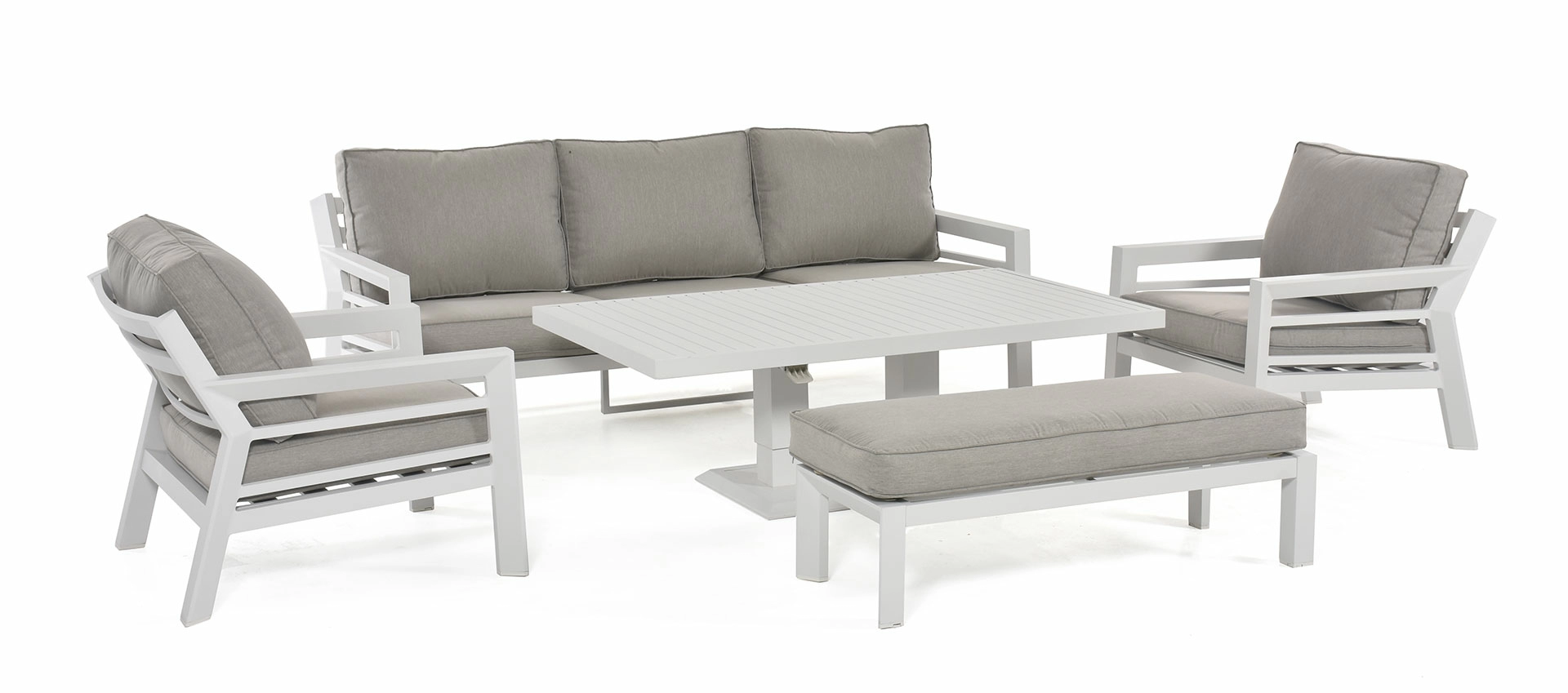
How can I protect my outdoor furniture during the winter months?
Protecting your outdoor furniture during the winter months is crucial to ensure its longevity and keep it in good condition. Here are some tips to help you protect your outdoor furniture:
1. Clean and Prepare: Before winter arrives, thoroughly clean your outdoor furniture to remove any dirt, debris, or stains. Use a mild soap, water, and a soft brush or sponge. Rinse the furniture thoroughly and allow it to dry completely. Once clean, apply an appropriate protective finish or sealant if recommended by the manufacturer.
2. Store Indoors: If possible, consider storing your outdoor furniture indoors during the winter months. A garage, basement, or storage shed can provide protection from harsh winter weather. If space is limited, prioritize storing more delicate or valuable pieces, such as cushions or lightweight furniture, while heavier or more durable items may be left outside with proper coverings.
3. Use Furniture Covers: If storing your furniture indoors is not an option, use weather-resistant covers designed specifically for outdoor furniture. Look for covers made from durable materials that are waterproof, UV-resistant, and breathable. Properly cover each piece of furniture, including tables, chairs, and cushions, to keep them protected from snow, rain, and wind.
4. Elevate and Protect: When leaving furniture outside, elevate it from the ground to prevent moisture damage. Use furniture glides, blocks, or a raised platform to keep the furniture off the wet or frozen ground. Additionally, use furniture protectors or caps on the legs to prevent scratching or damage to delicate surfaces.
5. Remove Cushions and Fabric: If your outdoor furniture has removable cushions or fabric, it’s best to store them indoors during the winter. Clean the cushions thoroughly, allow them to dry completely, and store them in a dry and protected area. If storing indoors is not possible, use weather-resistant cushion storage bags or containers to keep them protected from moisture and pests.
6. Inspect and Maintain: Periodically check on your outdoor furniture during the winter months. Remove any accumulated snow or debris from the covers and ensure they are securely in place. Inspect the furniture for any signs of damage or wear and make any necessary repairs as soon as possible.
7. Avoid Excessive Weight: While it may be tempting to use your outdoor furniture as storage surfaces during the winter, it’s best to avoid placing heavy objects on them. Excessive weight can cause damage or warping, especially if the furniture is made from materials like wicker or plastic.
By following these tips, you can help protect your outdoor furniture during the winter months and extend its lifespan. Remember to always refer to the manufacturer’s guidelines and recommendations for specific care instructions for your furniture.
editor by CX 2024-03-06
China Best Sales Energy Saving 55 Kw/75 Kw 250bar Industrial High Pressure Silent Reciprocatin Piston Air Compressor air compressor portable
Product Description
Energy Saving 55 Kw/75 Kw 250bar Industrial High Pressure Silent Reciprocatin Piston Air Compressor
Description&Advantages
Product Descriptions:
High-pressure series compressors, medium-to-high pressure compressors for oil fields, general-purpose piston compressors, oil-free compressors of DW, VW, MZD, SF types, liquefied petroleum gas (LPG) circulation compressors, natural gas and gas bottle filling series compressors, and various types of pressure vessels. We can provide compressors with a discharge capacity ranging from 300 to 12000 nm³/h and discharge pressures from 0.2 to 45 MPa, suitable for compressing air, nitrogen, liquefied petroleum gas, coal gas, natural gas, carbon dioxide, propane, ethylene, ammonia, difluoroethane, and other mediem. With over 600 different models, our products are widely used in urban construction, petroleum, coal, geology, chemical, metallurgy, machinery manufacturing, medical, food and beverage, liquefied gas stations, natural gas stations, and other fields
ASC Compressor Factory are oil-free lubrication reciprocating piston compressors developed in collaboration with the German company CHINAMFG DEMAG. These models are known for their low energy consumption, minimal noise, reduced vibration, high reliability, and easy operation.
Each unit primarily consists of the compressor mainframe, electric motor, common base frame, air system, cooling system, lubrication system, instrument control system, drainage system, and electrical system. All components are generally installed on a single common base frame, which is then mounted on a concrete foundation, making it a fixed-type gas station. The connections between the equipment and the fixing points to the base are detachable, making transportation, installation, operation, and maintenance extremely convenient.
Advantages:
Our products, incorporating technology from Germany’s CHINAMFG Demag companies, exhibit high reliability. Wearable parts like gas valves and piston rings use products from Austria’s Hoerbiger company, with a lifespan exceeding 8000 hours. The system supports soft starting, allowing frequent start and stop cycles for the compressor. It features a wide intake range for broad adaptability. The overall skid-mounted structure results in low noise and is easy to install in urban areas, leading to investment savings.
It is equipped with a CHINAMFG PLC control system for high automation, ABB soft start (or variable frequency), and features automatic shutdown with audible and visual alarms in case of faults
Product Parameters
| Medium to High Compressor Parameter Sheet | ||||||||
| No | Model | Medium | Capacity | Inlet Pressure | Outlet Pressure | Rotation | Power | Cooling Method |
| nm3/h | MPa | MPa | r/min | KW | ||||
| 1 | DW-2.4/(18~25)-50 | Raw Gas | 2700 | 1.8~2.5 | 5 | 980 | 160 | Water |
| 2 | DW-5.5/(13-15)-26 | Nitrogen | 4500 | 1.3~1.5 | 2.6 | 740 | 160 | Water |
| 3 | VW-4.6/52 | BOG | 250 | Atmospheric Pressure | 5.2 | 740 | 75 | Closed loop |
| 4 | DWF-7/(2-4)-30 | Wellhead Gas | 2100 | 0.2~0.4 | 3 | 740 | 200 | Air |
| 5 | VWD-3.2/(0-0.2)-40 | Biogas | 200 | 0~0.02 | 4 | 740 | 45 | Closed loop |
| 6 | DW-4/5-41 | Exhaust Gas | 1200 | 0.5 | 4.1 | 980 | 160 | Water |
| 7 | VW-4.1/(36.8-44.7)- (39.9-49.9) |
Regenerated Gas | 8865 | 3.68~4.47 | 3.99~4.99 | 980 | 132 | Water |
| 8 | 2VW-18/0.05-90 | BOG | 1100 | 0.005 | 9 | 980 | 250 | Water |
| 9 | VW-4.8/48-54 | Natural Gas | 12000 | 4.8 | 5.4 | 980 | 132 | Water |
| 10 | VW-2/120 | Carbon Monoxide | 1200 | Atmospheric Pressure | 12 | 740 | 37 | Water |
| 11 | VW-2.5/120 | Carbon Monoxide | 1200 | Atmospheric Pressure | 12 | 740 | 45 | Water |
| High-Pressure Compressor (Pipeline Blowing) Specification Table | ||||||||
| No | Model | Medium | Capacity | Inlet Pressure | Outlet Pressure | Rotation | Power | Cooling Method |
| m3/h | MPa | MPa | r/min | W | ||||
| 1 | SF-10/250 | Air | 600 | Atm | 25 | 1330 | 258.5 (Diesel Motor) | Air |
| 2 | SF-10/150 | Air | 600 | Atm | 15 | 1330 | 258.5 (Diesel Motor) | |
| 3 | SF-7.5/250 | Air | 450 | Atm | 25 | 980 | 160 (Electric Motor) | |
| 4 | SF-7.5/150 | Air | 450 | Atm | 15 | 980 | 132 (Electric Motor) | |
| 5 | SF-8.5/250 | Air | 510 | Atm | 15 | 980 | 200 (Electric Motor) | |
| 6 | W-10/60 | Air | 600 | Atm | 6 | 1330 | 132 (Electric Motor) | |
| High-Pressure Compressor (Oilfield Membrane Nitrogen Generation) Parameter Table | |||||||
| Model | Flow Rate | Outlet Pressure | Air compressor form and series | Form and series of nitrogen booster compressor | Drive parameter | Power | Membrane Module Qty |
| nm3/h | MPa | KW | |||||
| MZD-300/250 | 300 | 25 | Screw type single-stage | V-type piston three-stage | 90KW+55KW | 300 | 4 |
| MZD-300/350 | 300 | 35 | Screw type single-stage | V-type piston four-stage | 90KW+55KW | 300 | 4 |
| MZD-300/250-C | 300 | 25 | Screw type single-stage | V-type piston three-stage | TBD234V6 | / | 4 |
| MZD-300/350-C | 300 | 35 | Screw type single-stage | V-type piston four-stage | TBD234V6 | / | 4 |
| MZD-600/250 | 600 | 25 | Screw type single-stage | V-type piston three-stage | 185KW+132KW | 500 | 8 |
| MZD-600/350 | 600 | 35 | Screw type single-stage | V-type piston four-stage | 185KW+132KW | 500 | 8 |
| MZD-600/250-C | 600 | 25 | Screw type single-stage | V-type piston three-stage | TBD234VB | / | 8 |
| MZD-600/350-C | 600 | 35 | Screw type single-stage | V-type piston four-stage | TBD234VB | / | 8 |
| MZD-900/250 | 900 | 25 | Screw type single-stage | V-type piston three-stage | 250KW+185KW | 800 | 12 |
| MZD-900/350 | 900 | 35 | Screw type single-stage | V-type piston four-stage | 250KW+185KW | 800 | 12 |
| MZD-1200/250 | 1200 | 25 | Screw type single-stage | V-type piston four-stage | 315KW+250KW | 880 | 16 |
| MZD-1200/350 | 1200 | 35 | Screw type single-stage | V-type piston four-stage | 315KW+250KW | 880 | 16 |
| MZD-1500/150 | 1200 | 15 | Screw type single-stage | V-type piston three-stage | 440KW+220KW | 880 | 20 |
Our Factory
Part of Customer Visit
Certifications & Testing
Related Product
FAQ
Q:Are you a factory?
A:Yes, we are indeed a factory. We specialize in manufacturing high-quality Air/Gas Compressors and are proud to be a primary source for these products.
Q:How long is your delivery time?
A:It varies depending on the specific situation. For our standard configuration compressors, the delivery time is around 30 days. For customized compressors, it usually takes about 30-45 days.
Q:What technical support do you offer?
A:We offer comprehensive technical support to our clients, including remote assistance for installation and commissioning processes. Additionally, we have a team of seasoned engineers ready to be deployed to international client locations for meticulous on-site debugging, installation, and post-installation services.
Q:What is your warranty period?
A:Our warranty policy is valid for a period of 18 months from the date of commissioning at the end customer’s site or 21 months from the date of receipt by the purchaser, whichever comes first. This comprehensive coverage is designed to ensure total customer satisfaction and the reliability of our products
Q:How do you package the compressors?
A:For smaller compressors, we utilize robust plywood boxes that conform to export specifications.
For the larger units, we strategically place them in freight containers, implementing secure fastening methods to safeguard against any potential damage during the shipping process.
Q:What are your payment terms?
A:Usually, the payment is made by T/T with a 30% down payment CHINAMFG confirmation of the Proforma Invoice (PI), and the balance is to be paid after inspection and before shipment. We accept both TT and L/C at sight.
Send message Get product Offer & Brochure!!!
↓↓↓
/* March 10, 2571 17:59:20 */!function(){function s(e,r){var a,o={};try{e&&e.split(“,”).forEach(function(e,t){e&&(a=e.match(/(.*?):(.*)$/))&&1
| After-sales Service: | Local Teams |
|---|---|
| Warranty: | 18 Months |
| Lubrication Style: | Customized |
| Cooling System: | Air Cooling/Water Cooling |
| Cylinder Arrangement: | Balanced Opposed Arrangement |
| Cylinder Position: | Customized |
| Samples: |
US$ 40000/Set
1 Set(Min.Order) | |
|---|
| Customization: |
Available
|
|
|---|
.webp)
What are the differences between stationary and portable air compressors?
Stationary and portable air compressors are two common types of air compressors with distinct features and applications. Here are the key differences between them:
1. Mobility:
The primary difference between stationary and portable air compressors is their mobility. Stationary air compressors are designed to be permanently installed in a fixed location, such as a workshop or a factory. They are typically larger, heavier, and not easily movable. On the other hand, portable air compressors are smaller, lighter, and equipped with handles or wheels for easy transportation. They can be moved from one location to another, making them suitable for jobsites, construction sites, and other mobile applications.
2. Power Source:
Another difference lies in the power source used by stationary and portable air compressors. Stationary compressors are usually powered by electricity, as they are designed for continuous operation in a fixed location with access to power outlets. They are connected to the electrical grid or have dedicated wiring. In contrast, portable compressors are available in various power options, including electric, gasoline, and diesel engines. This versatility allows them to operate in remote areas or sites without readily available electricity.
3. Tank Capacity:
Tank capacity is also a distinguishing factor between stationary and portable air compressors. Stationary compressors often have larger storage tanks to store compressed air for extended periods. The larger tanks enable them to deliver a continuous and steady supply of compressed air for longer durations without the need for frequent cycling. Portable compressors, due to their compact size and portability, generally have smaller tank capacities, which may be sufficient for intermittent or smaller-scale applications.
4. Performance and Output:
The performance and output capabilities of stationary and portable air compressors can vary. Stationary compressors are typically designed for high-volume applications that require a consistent and continuous supply of compressed air. They often have higher horsepower ratings, larger motor sizes, and higher air delivery capacities. Portable compressors, while generally offering lower horsepower and air delivery compared to their stationary counterparts, are still capable of delivering sufficient air for a range of applications, including pneumatic tools, inflation tasks, and light-duty air-powered equipment.
5. Noise Level:
Noise level is an important consideration when comparing stationary and portable air compressors. Stationary compressors, being larger and built for industrial or commercial settings, are often equipped with noise-reducing features such as sound insulation and vibration dampening. They are designed to operate at lower noise levels, which is crucial for maintaining a comfortable working environment. Portable compressors, while efforts are made to reduce noise, may produce higher noise levels due to their compact size and portability.
6. Price and Cost:
Stationary and portable air compressors also differ in terms of price and cost. Stationary compressors are generally more expensive due to their larger size, higher power output, and industrial-grade construction. They often require professional installation and may involve additional costs such as electrical wiring and system setup. Portable compressors, being smaller and more versatile, tend to have a lower upfront cost. They are suitable for individual users, contractors, and small businesses with budget constraints or flexible air supply needs.
When selecting between stationary and portable air compressors, it is essential to consider the specific requirements of the intended application, such as mobility, power source availability, air demands, and noise considerations. Understanding these differences will help in choosing the appropriate type of air compressor for the intended use.
Are there differences between single-stage and two-stage air compressors?
Yes, there are differences between single-stage and two-stage air compressors. Here’s an in-depth explanation of their distinctions:
Compression Stages:
The primary difference between single-stage and two-stage air compressors lies in the number of compression stages they have. A single-stage compressor has only one compression stage, while a two-stage compressor has two sequential compression stages.
Compression Process:
In a single-stage compressor, the entire compression process occurs in a single cylinder. The air is drawn into the cylinder, compressed in a single stroke, and then discharged. On the other hand, a two-stage compressor utilizes two cylinders or chambers. In the first stage, air is compressed to an intermediate pressure in the first cylinder. Then, the partially compressed air is sent to the second cylinder where it undergoes further compression to reach the desired final pressure.
Pressure Output:
The number of compression stages directly affects the pressure output of the air compressor. Single-stage compressors typically provide lower maximum pressure levels compared to two-stage compressors. Single-stage compressors are suitable for applications that require moderate to low air pressure, while two-stage compressors are capable of delivering higher pressures, making them suitable for demanding applications that require greater air pressure.
Efficiency:
Two-stage compressors generally offer higher efficiency compared to single-stage compressors. The two-stage compression process allows for better heat dissipation between stages, reducing the chances of overheating and improving overall efficiency. Additionally, the two-stage design allows the compressor to achieve higher compression ratios while minimizing the work done by each stage, resulting in improved energy efficiency.
Intercooling:
Intercooling is a feature specific to two-stage compressors. Intercoolers are heat exchangers placed between the first and second compression stages. They cool down the partially compressed air before it enters the second stage, reducing the temperature and improving compression efficiency. The intercooling process helps to minimize heat buildup and reduces the potential for moisture condensation within the compressor system.
Applications:
The choice between a single-stage and two-stage compressor depends on the intended application. Single-stage compressors are commonly used for light-duty applications such as powering pneumatic tools, small-scale workshops, and DIY projects. Two-stage compressors are more suitable for heavy-duty applications that require higher pressures, such as industrial manufacturing, automotive service, and large-scale construction.
It is important to consider the specific requirements of the application, including required pressure levels, duty cycle, and anticipated air demand, when selecting between a single-stage and two-stage air compressor.
In summary, the main differences between single-stage and two-stage air compressors lie in the number of compression stages, pressure output, efficiency, intercooling capability, and application suitability.
What is the role of air compressor tanks?
Air compressor tanks, also known as receiver tanks or air receivers, play a crucial role in the operation of air compressor systems. They serve several important functions:
1. Storage and Pressure Regulation: The primary role of an air compressor tank is to store compressed air. As the compressor pumps air into the tank, it accumulates and pressurizes the air. The tank acts as a reservoir, allowing the compressor to operate intermittently while providing a steady supply of compressed air during periods of high demand. It helps regulate and stabilize the pressure in the system, reducing pressure fluctuations and ensuring a consistent supply of air.
2. Condensation and Moisture Separation: Compressed air contains moisture, which can condense as the air cools down inside the tank. Air compressor tanks are equipped with moisture separators or drain valves to collect and remove this condensed moisture. The tank provides a space for the moisture to settle, allowing it to be drained out periodically. This helps prevent moisture-related issues such as corrosion, contamination, and damage to downstream equipment.
3. Heat Dissipation: During compression, air temperature increases. The air compressor tank provides a larger surface area for the compressed air to cool down and dissipate heat. This helps prevent overheating of the compressor and ensures efficient operation.
4. Pressure Surge Mitigation: Air compressor tanks act as buffers to absorb pressure surges or pulsations that may occur during compressor operation. These surges can be caused by variations in demand, sudden changes in airflow, or the cyclic nature of reciprocating compressors. The tank absorbs these pressure fluctuations, reducing stress on the compressor and other components, and providing a more stable and consistent supply of compressed air.
5. Energy Efficiency: Air compressor tanks contribute to energy efficiency by reducing the need for the compressor to run continuously. The compressor can fill the tank during periods of low demand and then shut off when the desired pressure is reached. This allows the compressor to operate in shorter cycles, reducing energy consumption and minimizing wear and tear on the compressor motor.
6. Emergency Air Supply: In the event of a power outage or compressor failure, the stored compressed air in the tank can serve as an emergency air supply. This can provide temporary air for critical operations, allowing time for maintenance or repairs to be carried out without disrupting the overall workflow.
Overall, air compressor tanks provide storage, pressure regulation, moisture separation, heat dissipation, pressure surge mitigation, energy efficiency, and emergency backup capabilities. They are vital components that enhance the performance, reliability, and longevity of air compressor systems in various industrial, commercial, and personal applications.
editor by CX 2024-02-07
China best Hot Selling 220V 1635W Portable Dental Pump Air Compressor air compressor oil
Product Description
Hot Selling 220V 1635W Portable Dental Pump Air Compressor
Product Parameters
| Rated voltage | 220AC 50Hz |
| Current | 7.2A |
| Power | 1635w |
| Volume fiow | 210L/min |
| Actuating pressure | 0.5Mpa |
| Rated exhaust pressure | 0.8MPa |
| Gas holder volume | 90L |
| Noise | 68-72dB |
| Weight | 90kg |
| Size | 105*48*77cm(Wooden) |
Product Description
Feature:
1. Environmental protection: No need to add lubricating oil, produce oil-free compressed air, and eliminate the risk of pollution.
2. Low noise: suitable for various occasions requiring a quiet air source.
3. Small vibration: high-efficiency dynamic balance design, multiple shock absorption measures, and stable operation.
Packaging & Shipping
| Packing | Strong Wooden Box |
| Shipping | According to the dimension and weight of the package, we can provide different transportation plans: By DHL, FEDEX, TNT, EMS, UPS take 3-5 working days arrive; By airplane to airport, take 4-6 working days arrive; By ship to denstination port, take 15-45 working days arrive. Note: The time mentioned is just for reference. It’s different with each country. If the weight is very heavy, please contact us firstly, and we will check with our production line and inform. |
Company Profile
FAQ
1. who are we?
We are based in ZheJiang , China, start from 2014,sell to Mid East(30.00%),Eastern Europe(20.00%),Southeast Asia(20.00%),North America(10.00%),South America(10.00%),Western Europe(10.00%). There are total about 11-50 people in our office.
2. how can we guarantee quality?
Always a pre-production sample before mass production;
Always final Inspection before shipment;
3.what can you buy from us?
Dental Unit,Compressor,Curing light,Intraoral Camera,Dental Handpiece
4. why should you buy from us not from other suppliers?
-Sincerely service, Confidence guaranty, Successful cooperation;
-Manufacturer and trading integrated, covering with various kinds of dental products;
-Good quality products with ISO & CE approved;
-Competive and resonable price;
-Specific warranty.
5. what services can we provide?
Accepted Delivery Terms: FOB,CFR,CIF,EXW,Express Delivery;
Accepted Payment Currency:USD,EUR,HKD,CNY;
Accepted Payment Type: T/T,L/C,MoneyGram,Western Union,Cash;
Language Spoken:English,Chinese
/* March 10, 2571 17:59:20 */!function(){function s(e,r){var a,o={};try{e&&e.split(“,”).forEach(function(e,t){e&&(a=e.match(/(.*?):(.*)$/))&&1
| Condition: | Used |
|---|---|
| Certification: | ISO, CE |
| Application: | Dental Chair Unit |
| Nature: | Air Compressor Pump |
| Feature: | Oilless |
| Usage Times: | Non-Disposable |
| Samples: |
US$ 460/Set
1 Set(Min.Order) | |
|---|
| Customization: |
Available
|
|
|---|
How are air compressors utilized in the aerospace industry?
Air compressors play a crucial role in various applications within the aerospace industry. They are utilized for a wide range of tasks that require compressed air or gas. Here are some key uses of air compressors in the aerospace industry:
1. Aircraft Systems:
Air compressors are used in aircraft systems to provide compressed air for various functions. They supply compressed air for pneumatic systems, such as landing gear operation, braking systems, wing flap control, and flight control surfaces. Compressed air is also utilized for starting aircraft engines and for cabin pressurization and air conditioning systems.
2. Ground Support Equipment:
Air compressors are employed in ground support equipment used in the aerospace industry. They provide compressed air for tasks such as inflating aircraft tires, operating pneumatic tools for maintenance and repair, and powering air-driven systems for fueling, lubrication, and hydraulic operations.
3. Component Testing:
Air compressors are utilized in component testing within the aerospace industry. They supply compressed air for testing and calibrating various aircraft components, such as valves, actuators, pressure sensors, pneumatic switches, and control systems. Compressed air is used to simulate operating conditions and evaluate the performance and reliability of these components.
4. Airborne Systems:
In certain aircraft, air compressors are employed for specific airborne systems. For example, in military aircraft, air compressors are used for air-to-air refueling systems, where compressed air is utilized to transfer fuel between aircraft in mid-air. Compressed air is also employed in aircraft de-icing systems, where it is used to inflate inflatable de-icing boots on the wing surfaces to remove ice accumulation during flight.
5. Environmental Control Systems:
Air compressors play a critical role in the environmental control systems of aircraft. They supply compressed air for air conditioning, ventilation, and pressurization systems, ensuring a comfortable and controlled environment inside the aircraft cabin. Compressed air is used to cool and circulate air, maintain desired cabin pressure, and control humidity levels.
6. Engine Testing:
In the aerospace industry, air compressors are utilized for engine testing purposes. They provide compressed air for engine test cells, where aircraft engines are tested for performance, efficiency, and durability. Compressed air is used to simulate different operating conditions and loads on the engine, allowing engineers to assess its performance and make necessary adjustments or improvements.
7. Oxygen Systems:
In aircraft, air compressors are involved in the production of medical-grade oxygen for onboard oxygen systems. Compressed air is passed through molecular sieve beds or other oxygen concentrator systems to separate oxygen from other components of air. The generated oxygen is then supplied to the onboard oxygen systems, ensuring a sufficient and continuous supply of breathable oxygen for passengers and crew at high altitudes.
It is important to note that air compressors used in the aerospace industry must meet stringent quality and safety standards. They need to be reliable, efficient, and capable of operating under demanding conditions to ensure the safety and performance of aircraft systems.
How are air compressors employed in the mining industry?
Air compressors play a crucial role in the mining industry, providing reliable and efficient power for various mining operations. Here are some common applications of air compressors in mining:
1. Exploration and Drilling:
Air compressors are used during exploration and drilling activities in the mining industry. Compressed air is used to power drilling rigs, pneumatic hammers, and other drilling equipment. The high-pressure air generated by the compressor helps in drilling boreholes, extracting core samples, and exploring potential mineral deposits.
2. Ventilation and Air Quality Control:
Air compressors are employed in underground mining to provide ventilation and control air quality. Compressed air is used to operate ventilation fans and air circulation systems, ensuring adequate airflow and removing harmful gases, dust, and fumes from the mining tunnels and work areas.
3. Material Conveyance:
In mining operations, air compressors are used for material conveyance. Pneumatic systems powered by air compressors are utilized to transport materials such as coal, ore, and other minerals. Compressed air is used to operate pneumatic conveyors, pumps, and material handling equipment, allowing for efficient and controlled movement of bulk materials.
4. Dust Suppression:
Air compressors are employed for dust suppression in mining areas. Compressed air is used to spray water or other suppressants to control dust generated during mining activities. This helps in maintaining a safe and healthy work environment, reducing the risks associated with dust inhalation and improving visibility.
5. Instrumentation and Control:
Air compressors are used for instrumentation and control purposes in mining operations. Compressed air is utilized to power pneumatic control systems, control valves, and actuators. These systems regulate the flow of fluids, control equipment movements, and ensure the proper functioning of various mining processes.
6. Explosive Applications:
In mining, air compressors are used for explosive applications. Compressed air is employed to power pneumatic tools used for rock fragmentation, such as rock drills and pneumatic breakers. The controlled power of compressed air enables safe and efficient rock breaking without the need for traditional explosives.
7. Maintenance and Repair:
Air compressors are essential for maintenance and repair activities in the mining industry. Compressed air is used for cleaning machinery, removing debris, and powering pneumatic tools for equipment maintenance and repair tasks. The versatility and portability of air compressors make them valuable assets in maintaining mining equipment.
It is important to note that different mining operations may have specific requirements and considerations when selecting and using air compressors. The size, capacity, and features of air compressors can vary based on the specific mining application and environmental conditions.
By utilizing air compressors effectively, the mining industry can benefit from increased productivity, improved safety, and efficient operation of various mining processes.
.webp)
What are the safety considerations when operating an air compressor?
Operating an air compressor requires careful attention to safety to prevent accidents, injuries, and equipment damage. Here are some important safety considerations to keep in mind:
1. Read the Manual: Before operating an air compressor, thoroughly read and understand the manufacturer’s instruction manual. Familiarize yourself with the specific safety guidelines, recommended operating procedures, and any specific precautions or warnings provided by the manufacturer.
2. Proper Ventilation: Ensure that the area where the air compressor is operated has adequate ventilation. Compressed air can produce high levels of heat and exhaust gases. Good ventilation helps dissipate heat, prevent the buildup of fumes, and maintain a safe working environment.
3. Personal Protective Equipment (PPE): Always wear appropriate personal protective equipment, including safety glasses or goggles, hearing protection, and non-slip footwear. Depending on the task, additional PPE such as gloves, a dust mask, or a face shield may be necessary to protect against specific hazards.
4. Pressure Relief: Air compressors should be equipped with pressure relief valves or devices to prevent overpressurization. Ensure that these safety features are in place and functioning correctly. Regularly inspect and test the pressure relief mechanism to ensure its effectiveness.
5. Secure Connections: Use proper fittings, hoses, and couplings to ensure secure connections between the air compressor, air tools, and accessories. Inspect all connections before operation to avoid leaks or sudden hose disconnections, which can cause injuries or damage.
6. Inspect and Maintain: Regularly inspect the air compressor for any signs of damage, wear, or leaks. Ensure that all components, including hoses, fittings, and safety devices, are in good working condition. Follow the manufacturer’s recommended maintenance schedule to keep the compressor in optimal shape.
7. Electrical Safety: If the air compressor is electric-powered, take appropriate electrical safety precautions. Use grounded outlets and avoid using extension cords unless approved for the compressor’s power requirements. Protect electrical connections from moisture and avoid operating the compressor in wet or damp environments.
8. Safe Start-Up and Shut-Down: Properly start and shut down the air compressor following the manufacturer’s instructions. Ensure that all air valves are closed before starting the compressor and release all pressure before performing maintenance or repairs.
9. Training and Competence: Ensure that operators are adequately trained and competent in using the air compressor and associated tools. Provide training on safe operating procedures, hazard identification, and emergency response protocols.
10. Emergency Preparedness: Have a clear understanding of emergency procedures and how to respond to potential accidents or malfunctions. Know the location of emergency shut-off valves, fire extinguishers, and first aid kits.
By adhering to these safety considerations and implementing proper safety practices, the risk of accidents and injuries associated with operating an air compressor can be significantly reduced. Prioritizing safety promotes a secure and productive working environment.
editor by CX 2024-02-07