Product Description
Company Profile
Our company has been producing GRC for more than 20 years and has undertaken many large GRC/UHPC projects.
Our company’s products will select high-quality raw materials and professionally trained staff and advanced production equipment. We follow a hands-on, collaborative approach in all our projects; Understand customers’ needs and deliver services that exceed their expectations. This is 1 of the reasons why customers choose us. Our products have been successfully used in theme Parks, ZheJiang Universal Studios theme Park, airports, museums, libraries and other large landmark buildings in China, which prove the quality of the products.
We constantly strive to provide our customers with international quality products and skills to effectively meet their needs. Whatever your needs, we can provide you with relevant services. Therefore, if you are looking for a reputable, experienced and skilled GRC/UHPC company, please contact us today.
Detailed Photos
What is GRC?
Glass fiber reinforced concrete (GRC) is a composite material made up of cement, sand, and glass fibers. It is a lightweight, durable, and versatile material that is widely used in the construction and architectural industries for a variety of applications.
GRC is manufactured using a variety of processes, including spraying, casting, and pultrusion, and can be factory-made or produced on-site. Its versatility and durability make it a popular choice for both new construction and the restoration of historic buildings.
Product Parameters
| DATA SHEET | |
| Raw Material | Cement, Alkaliproof Glass Fiber, Sand ,etc |
| Thickness | 5-30mm(customizable) |
| Density | 2.2g/m³ |
| Compressive strength | 90MPa |
| Bending Limitation | ≥24MPa |
| Fire protection level | Alevel |
FAQ
successful projects
△ZheJiang Universal Studios theme park
△Hang zhou ASIAN GAMES CLIMBING HALL
△ DOUBLE CURVE UHPC PANEL FOR CHURCH
△ EUROPEAN STYLE GRC DECORATIVE COMPONENT
/* January 22, 2571 19:08:37 */!function(){function s(e,r){var a,o={};try{e&&e.split(“,”).forEach(function(e,t){e&&(a=e.match(/(.*?):(.*)$/))&&1
| After-sales Service: | Online Technical Supportonsite Installation |
|---|---|
| Warranty: | 1year |
| Type: | Silicate Cement / Portland Cement |
| Strength Grade(Mpa): | 52.5R |
| Mineral Composition: | Sulphate Aluminium Cement |
| Hardening Feature: | Rapid Hardening |
| Samples: |
US$ 0/Piece
1 Piece(Min.Order) | |
|---|
| Customization: |
Available
|
|
|---|
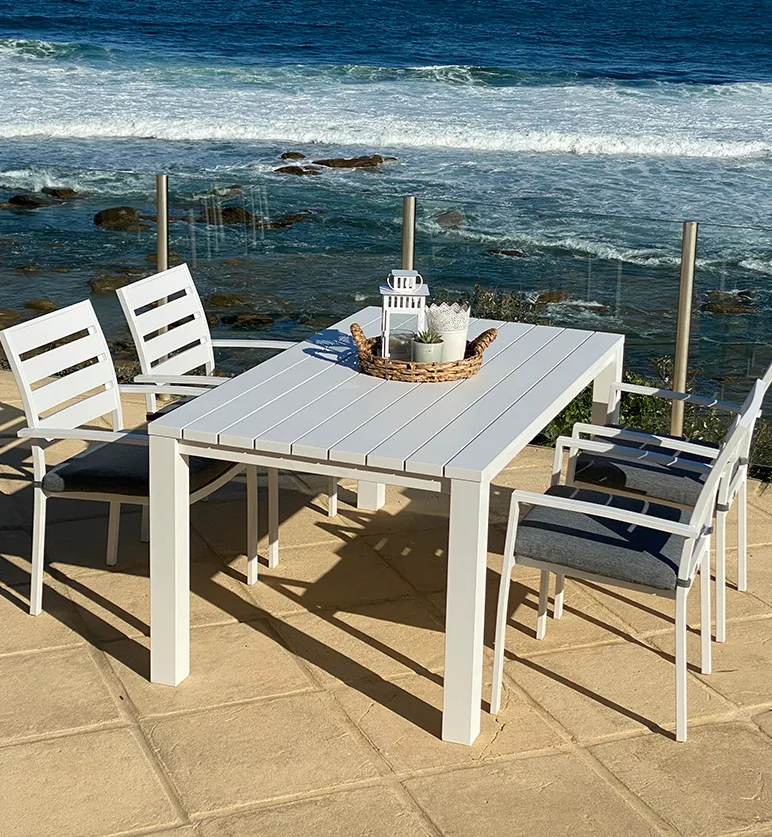
How do I secure my garden furniture to prevent it from tipping over during windy weather?
Securing your garden furniture is important to prevent it from tipping over during windy weather. Here are some methods you can use to secure your furniture:
1. Weighted Bases or Sandbags:
For lightweight furniture such as chairs or small tables, consider using weighted bases or sandbags. These can be placed on the furniture’s legs or base to provide additional stability and prevent tipping. Make sure the weights are securely attached or positioned to avoid any accidents.
2. Anchoring Systems:
For larger furniture pieces or items that are prone to tipping, using anchoring systems can be highly effective. Anchoring kits are available in hardware stores and typically include straps, cables, or brackets that can be attached to the furniture and secured to the ground or a sturdy structure like a wall or deck.
3. Staking or Ground Pegs:
If your garden furniture has legs or supports that can be inserted into the ground, consider using stakes or ground pegs. These can be driven into the soil to provide additional stability and prevent tipping. Ensure that the stakes or pegs are securely anchored and properly inserted into the ground.
4. Windproof Umbrellas and Canopies:
If you have umbrellas or canopies as part of your garden furniture, choose windproof options that are designed to withstand gusty conditions. These typically have sturdy frames, reinforced joints, and vented canopies that allow wind to pass through, reducing the risk of tipping.
5. Storage or Temporary Removal:
During severe or stormy weather, consider storing your garden furniture in a secure, covered area or temporarily removing it from exposed areas. This can prevent damage caused by strong winds and ensure the safety of both the furniture and your surroundings.
6. Regular Inspections:
Regularly inspect your garden furniture for any signs of wear, damage, or loose components. Tighten screws, bolts, or joints as necessary to maintain stability. Replace any damaged parts or repair weak areas promptly to prevent tipping accidents.
7. Positioning and Layout:
When arranging your garden furniture, consider the layout and positioning to minimize the impact of wind. Place taller or heavier furniture pieces against walls or other sturdy structures to provide additional support. Avoid positioning furniture in open, exposed areas where wind gusts are more likely.
8. Weather Alerts and Precautions:
Stay informed about weather conditions in your area and take necessary precautions when severe weather is expected. Bring in or secure your garden furniture well in advance to prevent damage caused by strong winds or storms.
By implementing these measures, you can help secure your garden furniture and minimize the risk of tipping over during windy weather. Remember to assess the specific needs of your furniture and adjust the methods accordingly for optimal stability and safety.
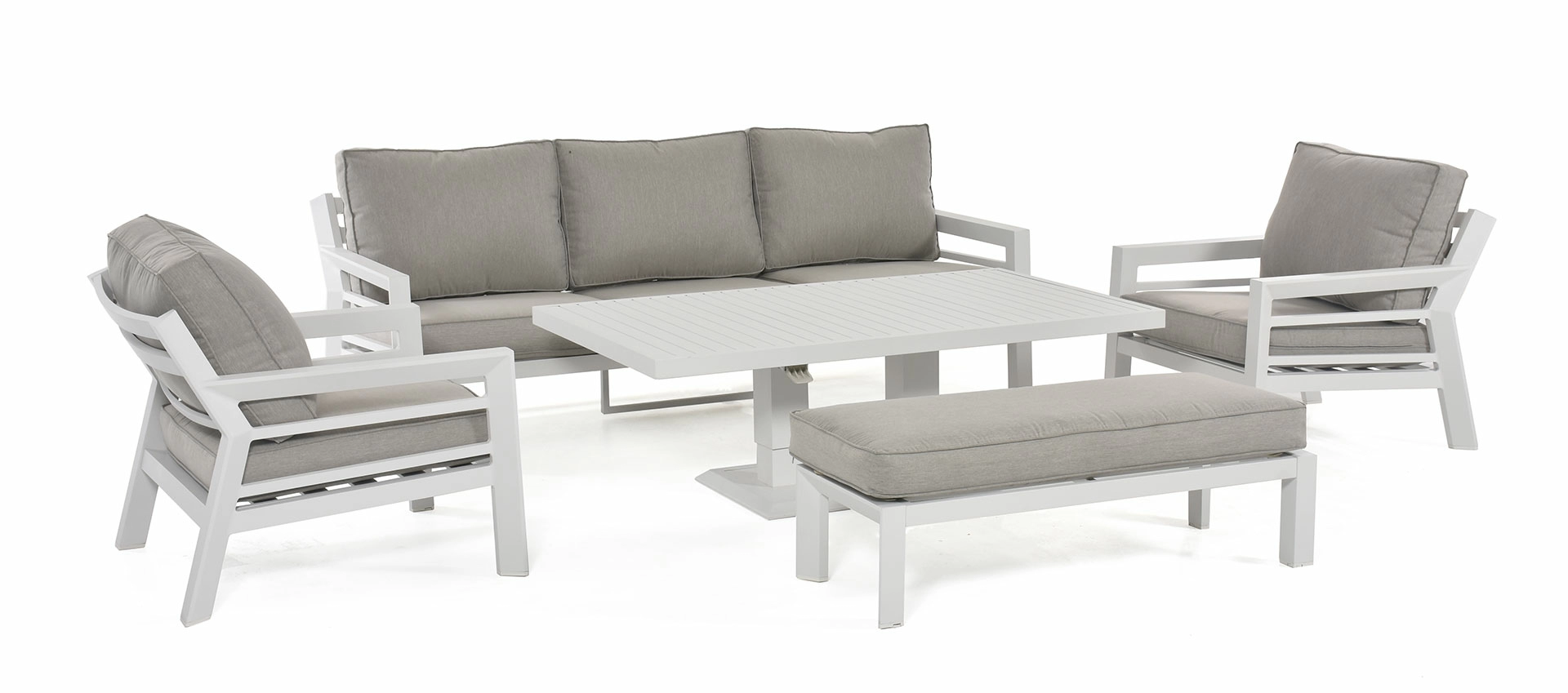
How do I prevent garden furniture from sinking into soft ground or soil?
If you have garden furniture that tends to sink into soft ground or soil, there are several methods you can use to prevent this from happening. Here are some effective ways to keep your garden furniture stable on soft ground:
1. Use Furniture Foot Pads:
One simple solution is to attach foot pads or glides to the bottom of the furniture legs. These pads distribute the weight over a larger surface area, reducing the likelihood of sinking. There are various types of foot pads available, including rubber, plastic, or metal options. Make sure to choose foot pads that are suitable for outdoor use and can withstand moisture and uneven terrain.
2. Install Furniture Leg Bases:
Another option is to install leg bases or platforms underneath the furniture legs. These bases provide a wider surface area for the legs to rest on, reducing the risk of sinking. Leg bases can be made from materials such as plastic, wood, or metal. Ensure that the bases are securely attached to the furniture legs to provide stability.
3. Use Furniture Anchors:
Furniture anchors are devices designed to secure outdoor furniture to the ground. They are particularly useful for larger or heavier furniture pieces. Anchors typically consist of stakes or screws that are driven into the ground and attached to the furniture frame or legs using straps or cables. These anchors help prevent furniture from tipping over or sinking into soft ground.
4. Place a Solid Base:
If you have a specific area in your garden where you frequently place your furniture, consider creating a solid base for it. This can be done by installing a patio or deck made from materials like concrete, stone, or wood. A solid base provides a stable and level surface for your furniture, preventing sinking or tilting. Additionally, it offers a defined seating area and enhances the overall aesthetics of your outdoor space.
5. Use Furniture Pavers or Tiles:
Another option is to place furniture pavers or tiles underneath the furniture legs. These flat and stable surfaces help distribute the weight and prevent sinking. Pavers or tiles made from materials like concrete, stone, or rubber can be placed directly on the ground or on a layer of gravel or sand for added stability.
6. Regularly Inspect and Adjust:
It’s important to regularly inspect your garden furniture and adjust its position as needed. Over time, the ground may shift or become softer due to weather conditions. By monitoring the stability of your furniture and making necessary adjustments, you can prevent sinking and ensure its longevity.
Implementing these preventive measures will help keep your garden furniture stable and secure, even on soft ground or soil. Choose the method that best suits your furniture and the specific conditions of your outdoor space.
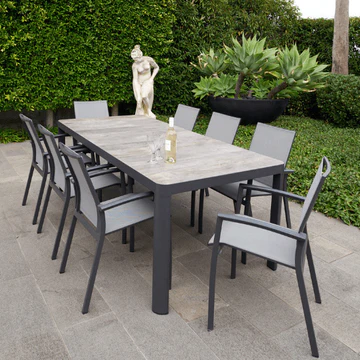
What types of cushions and fabrics are ideal for garden furniture?
When choosing cushions and fabrics for your garden furniture, it’s important to consider durability, weather resistance, comfort, and ease of maintenance. Here are some types of cushions and fabrics that are ideal for garden furniture:
1. Outdoor-Specific Fabrics:
Look for fabrics specifically designed for outdoor use. These fabrics are typically made from synthetic materials that are resistant to fading, mold, mildew, and moisture. They are often treated to be UV-resistant, which helps prevent color fading due to sun exposure. Examples of outdoor-specific fabrics include solution-dyed acrylic, polyester, or vinyl-coated fabrics.
2. Sunbrella:
Sunbrella is a well-known brand of outdoor fabric that is highly durable and fade-resistant. It is made from solution-dyed acrylic fibers, which are known for their resistance to UV rays, moisture, and stains. Sunbrella fabrics come in a wide range of colors and patterns, allowing you to find options that suit your style.
3. Olefin:
Olefin is another popular synthetic fabric for outdoor use. It is resistant to water, stains, and fading. Olefin fabric is often used for cushions and upholstery due to its durability and affordability. It is available in a variety of colors and patterns.
4. Quick-Drying Foam:
When it comes to cushion fillings, quick-drying foam is an excellent choice for garden furniture. This type of foam has an open-cell structure that allows water to drain quickly, preventing the buildup of moisture. Quick-drying foam helps keep your cushions dry and prevents the growth of mold or mildew.
5. Water-Resistant Cushion Covers:
Ensure that your cushion covers are water-resistant to protect the foam filling from getting wet. Look for covers made from fabrics that repel water and are easy to clean. Water-resistant cushion covers help maintain the integrity of the cushions and make them more resistant to the outdoor elements.
6. Removable and Washable Covers:
Opt for cushions with removable and washable covers. This allows you to easily clean the fabric and remove any stains or dirt that may accumulate over time. Removable covers also give you the flexibility to change the look of your garden furniture by swapping out covers or patterns.
7. Mildew-Resistant Materials:
Choose fabrics and cushion fillings that are resistant to mildew. Mildew can thrive in damp environments, so selecting materials that inhibit its growth is important for maintaining a clean and hygienic outdoor seating area.
When selecting cushions and fabrics for your garden furniture, consider the specific climate and weather conditions in your area. Additionally, follow the manufacturer’s instructions for care and maintenance to ensure the longevity of your cushions and fabrics.
editor by CX 2024-04-29