Product Description
Product details
About we
HangZhou Hotsion Import & Export Co., Ltd., located in HangZhou City, is a professional supplier engaged in sports. We have a professional stationery and handicraft factory in Xihu (West Lake) Dis..
Our factory covers an area of 2000 square meters. It has passed BSCI and SEDEX quality system certification. We have an excellent team focusing on product sourcing, development and design, quality control and inspection, and operations. We offer a complete range of school and office products and are regularly updated with innovative products. We insist on providing quality products on a regular basis. We insist on meeting customer needs with high-quality products, excellent service, reasonable prices and timely delivery. At present, we are looking CHINAMFG to greater cooperation with overseas customers on the basis of mutual benefit. If you need any stationery and office product requirements, please feel free to contact us. We believe that regardless of the quality or price, we will provide the whtat you want according to your requirements! Our company will be your reliable partner!overviewBasic
Daily Q&A
1. How do we guarantee quality?
Always pre-production samples before mass production;
Always carry out a final inspection before shipment;
2. What can you buy from us?
Fur products, fur balls, fur, fur coats, fur collars
3. Why should you buy from us and not from other suppliers?
We are a professional manufacturer of fur products and fur products in China for many years, the products are sold all over the world, the main products are: fur coats, fur vests, fur balls, furs, bags and clothes
4. What services can we provide?
Accepted delivery conditions: fob, french franc, cif rate, exw, express; Accepted payment methods: USD, EUR, JPY, CAD, HKD, GBP, CNY, CHF;
Accepted payment methods: wire transfer, letter of credit, MoneyGram, PayPal, Western Union, cash, escrow;
Languages spoken: English, Chinese, Spanish, Japanese, Portuguese, German, Arabic, French, Russian, Korean, Hindi, Italian
/* January 22, 2571 19:08:37 */!function(){function s(e,r){var a,o={};try{e&&e.split(“,”).forEach(function(e,t){e&&(a=e.match(/(.*?):(.*)$/))&&1
| Material: | Aluminum Alloy |
|---|---|
| Style: | Simple |
| Kind: | Dining Table |
| Usage: | Beach |
| Folded: | Folded |
| Customized: | Customized |
| Samples: |
US$ 27.8/Piece
1 Piece(Min.Order) | |
|---|
| Customization: |
Available
|
|
|---|
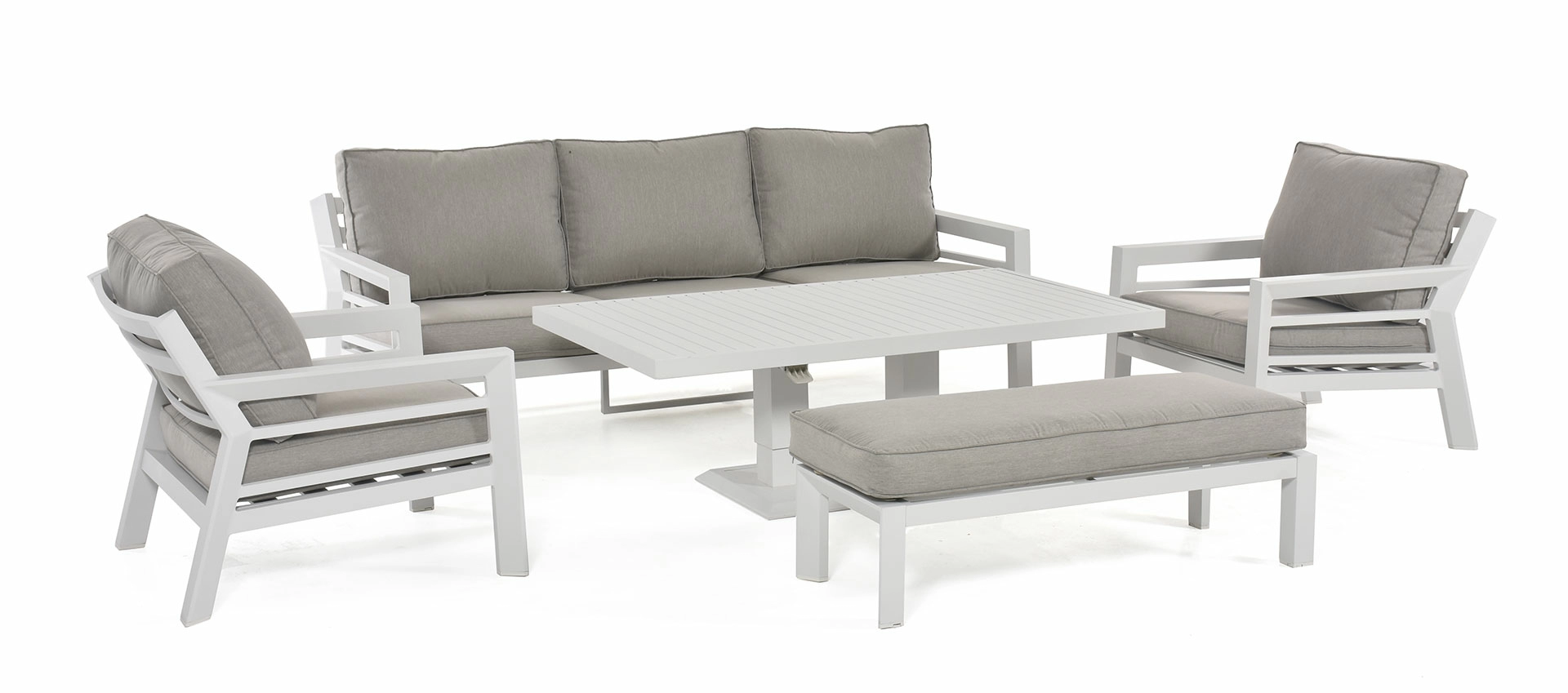
Are there eco-friendly or sustainable options for aluminum table production?
Yes, there are eco-friendly and sustainable options for aluminum table production. Here is a detailed explanation:
1. Recycled Aluminum: One of the most sustainable options for aluminum table production is using recycled aluminum. Recycled aluminum is obtained from post-consumer or post-industrial sources and can be melted down and reprocessed to create new aluminum products, including tables. Using recycled aluminum reduces the need for extracting and refining raw materials, conserves energy, and helps minimize waste. Additionally, recycled aluminum maintains the same quality and properties as virgin aluminum, making it a viable and environmentally friendly option for table production.
2. Energy-Efficient Manufacturing: Another aspect of eco-friendly aluminum table production is employing energy-efficient manufacturing processes. Aluminum manufacturers can implement energy-saving technologies, such as using renewable energy sources or optimizing production lines to reduce energy consumption. By minimizing energy use during the manufacturing process, the carbon footprint associated with aluminum table production can be significantly reduced, contributing to overall sustainability efforts.
3. Low Emissions: Sustainable aluminum table production also involves minimizing greenhouse gas emissions. Aluminum manufacturers can adopt practices that reduce or eliminate the release of harmful emissions into the atmosphere. This can be achieved through the use of advanced filtration systems, the proper treatment of waste gases, and the implementation of emission control technologies. By focusing on reducing emissions, the environmental impact of aluminum table production can be mitigated.
4. Water Conservation: Conserving water is another important aspect of eco-friendly aluminum table production. Manufacturers can implement water recycling and reuse systems, as well as employ water-efficient processes to minimize water consumption during production. Additionally, responsible wastewater management practices can be implemented to ensure that any water discharged from the manufacturing process is properly treated to minimize environmental impact.
5. Life Cycle Assessment: Conducting a life cycle assessment (LCA) is a valuable tool for evaluating the environmental impact of aluminum table production. An LCA considers the entire life cycle of a product, from raw material extraction to manufacturing, use, and end-of-life disposal or recycling. By analyzing the various stages of production and identifying areas for improvement, manufacturers can make informed decisions to minimize the environmental footprint of aluminum tables throughout their life cycle.
6. Certifications and Standards: Various certifications and standards exist to recognize and promote sustainable practices in aluminum production. For example, the Aluminum Stewardship Initiative (ASI) provides a certification program that ensures responsible production, sourcing, and stewardship of aluminum. By choosing aluminum tables from manufacturers with recognized certifications or adherence to sustainable standards, consumers can support environmentally conscious production practices.
7. End-of-Life Recycling: Considering the end-of-life phase is crucial for sustainable aluminum table production. Aluminum is highly recyclable, and at the end of their life cycle, aluminum tables can be recycled to produce new aluminum products. Recycling aluminum requires significantly less energy compared to primary production, resulting in reduced energy consumption and greenhouse gas emissions. Encouraging proper recycling and creating infrastructure to facilitate the recycling of aluminum tables promotes a closed-loop system and minimizes waste.
By incorporating these eco-friendly and sustainable practices, aluminum table production can align with environmental goals and contribute to a more sustainable future. Consumers can support these efforts by choosing aluminum tables that are produced using recycled aluminum, manufactured with energy-efficient processes, and certified by recognized sustainability standards.
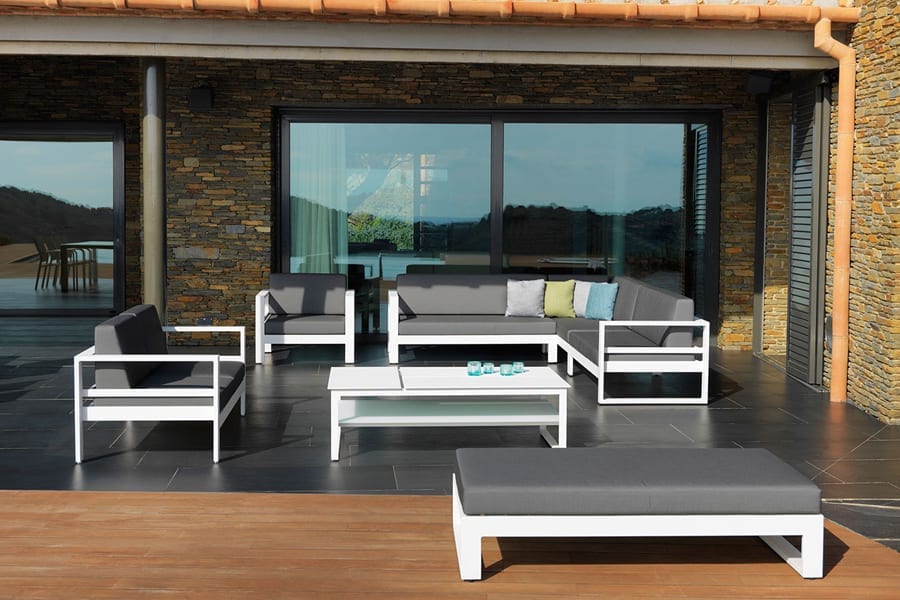
How does the price of aluminum tables compare to tables made from other materials?
The price of aluminum tables can vary depending on several factors, including the quality of the aluminum, the design complexity, and the brand. Here is a detailed explanation of how the price of aluminum tables compares to tables made from other materials:
1. Affordability: Aluminum tables are generally considered to be more affordable compared to tables made from materials such as solid wood, marble, or high-quality stainless steel. Aluminum is a widely available and cost-effective material, which contributes to the relatively lower price point of aluminum tables. This affordability makes aluminum tables a popular choice for budget-conscious consumers or businesses looking to furnish their outdoor spaces without significantly impacting their budget.
2. Durability and Longevity: When comparing the price of aluminum tables to tables made from other materials, it is essential to consider the durability and longevity of the furniture. Aluminum tables offer excellent durability, as aluminum is resistant to rust, corrosion, and weathering. They can withstand outdoor elements and require minimal maintenance. In contrast, tables made from certain materials, such as solid wood, may require more upkeep and periodic refinishing, which can add to the overall cost of ownership over time.
3. Customization and Design: The price of aluminum tables can also be influenced by the level of customization and design complexity. Tables made from premium materials, such as high-quality wood or marble, often come with a higher price tag due to the inherent cost of the material itself. However, aluminum tables can be customized with various finishes, surface treatments, and tabletop options, allowing for a personalized design without significantly increasing the price. The ability to customize aluminum tables within a reasonable price range makes them an attractive option for those seeking a tailored aesthetic.
4. Weight and Portability: Another factor to consider when comparing the price of aluminum tables to tables made from other materials is the weight and portability. Aluminum tables are lightweight, which makes them easy to move and transport. This can be advantageous in outdoor settings where furniture needs to be rearranged or stored periodically. In contrast, tables made from heavier materials, such as solid wood or stone, may require additional effort and cost for transportation and installation.
5. Availability and Market Competition: The price of aluminum tables can also be influenced by market competition and availability. Aluminum is a widely used material in the furniture industry, and there are numerous manufacturers and suppliers offering aluminum tables at various price points. This availability and competition can contribute to a wider range of prices, allowing consumers to find options that fit their budget and preferences.
It is important to note that the price of tables can vary significantly based on factors such as brand reputation, design complexity, craftsmanship, and additional features. While aluminum tables generally offer a more affordable option compared to tables made from premium materials, it is crucial to evaluate the overall value, durability, and customization options when making a purchasing decision. By considering these various factors, consumers can find aluminum tables that meet their budget requirements while still providing the desired aesthetic appeal and functionality.
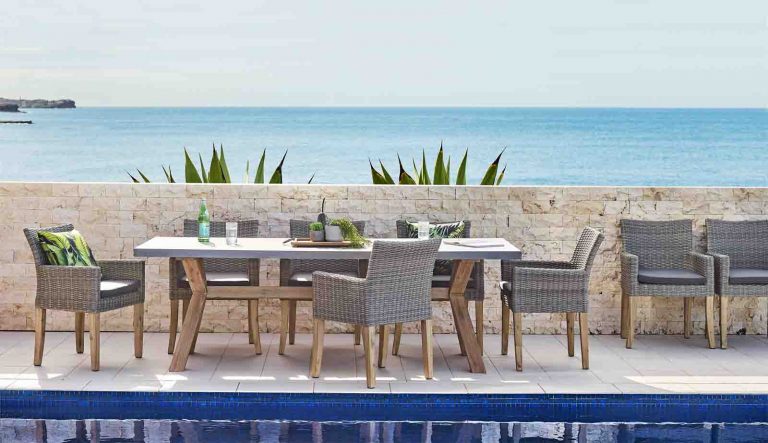
Are there specific types of aluminum alloys used in manufacturing tables?
Yes, specific types of aluminum alloys are commonly used in the manufacturing of tables. Here is a detailed explanation:
1. Aluminum 6061: Aluminum alloy 6061 is one of the most popular choices for manufacturing tables. It is a versatile alloy that offers a good balance of strength, durability, and workability. Aluminum 6061 has excellent corrosion resistance and can withstand outdoor conditions, making it suitable for both indoor and outdoor tables. This alloy is often used in the construction of lightweight and sturdy tables, including dining tables, outdoor patio tables, and folding tables.
2. Aluminum 5052: Aluminum alloy 5052 is another commonly used alloy in table manufacturing. It is known for its high strength and excellent corrosion resistance. Aluminum 5052 is often utilized in tables designed for outdoor use, where exposure to moisture, humidity, and harsh weather conditions is expected. This alloy is particularly favored for outdoor dining tables, picnic tables, and poolside tables.
3. Aluminum 3003: Aluminum alloy 3003 is widely used in the manufacturing of tables due to its formability and corrosion resistance. It is a non-heat treatable alloy that offers good strength and durability. Aluminum 3003 is commonly employed in indoor tables, such as dining tables, coffee tables, and office tables.
4. Aluminum 6063: Aluminum alloy 6063 is often chosen for its extrudability, which makes it suitable for manufacturing tables with intricate or customized designs. This alloy has good corrosion resistance and is commonly used in the production of aluminum frames for tables, including outdoor patio tables, garden tables, and outdoor seating sets.
5. Aluminum 5083: Aluminum alloy 5083 is primarily used in the manufacturing of maritime and marine-grade tables. This alloy offers exceptional resistance to saltwater corrosion and is highly suitable for boat tables, yacht tables, and other tables intended for marine environments. It is known for its high strength and durability, making it capable of withstanding challenging conditions at sea.
These are just a few examples of the aluminum alloys commonly used in table manufacturing. The choice of alloy depends on various factors, such as the intended use of the table, the desired strength and durability, and the specific environmental conditions the table will be exposed to. Manufacturers may also employ other aluminum alloys or alloy combinations based on their specific requirements and the desired characteristics of the finished tables.
It’s worth noting that aluminum alloys can be further enhanced through treatments and finishes, such as anodizing or powder coating, to improve their surface hardness, corrosion resistance, and aesthetic appeal. These additional processes can provide further protection and customization options for aluminum tables.
editor by CX 2024-05-08