Product Description
| Item No. | SJ820 | Category | airport chair |
| Color | Optional | Materials Info | Seat: metal paint Armrest&Leg: Metal chrome |
| Package | KD–3 Cartons | Gross Weight | 30kg for 3 seat |
| 40HQ Loaded | 850PCS | Size | 2 seat : 123*68*77 CM |
| 3 seat : 180*68*77 CM | |||
| 4 seat : 236*68*77 CM | |||
| Port | HangZhou, HangZhou | Applicable spaces | Airport, Railway Station, Hospital, Bank, Government administration building, etc |
ZheJiang Oshujian Furniture Co., Ltd. specialized in public waiting chairs since 2000. We have our own production line and R&D base, with the ability to control the whole process from design, proofing to production. Annual production and sales is more than 1.5 million. The products are spread over more than 100 countries.
Oshujian always strive for better public space ,and had successfully completed a number of large International Airport projects abroad:
l Airport Authority Of India (78 Airports)
l Nigeria Abuja International Airport
l Harcourt International New Terminal,Nigeria
l Mallam Aminu Kano International Airport,Nigeria
l Lagos International Airport,,Nigeria
l Hatyai International Airport,Thailand
l Jakarta Soekarno-Hatta International Airport
l Polonia International Airport,Indonesia
l Sama Rinda Airport,Indonesia
l Ambon Airport,Indonesia
l Tribhuvan International Airport,Nepal
l Maya-maya International Airport,Congo
l Mexico City Airport
l Kuala Lumpur International Airport
l Antigua And Barbuda Airport
l Yangon Airport,Burma
FAQ
1. Q: Where is your factory located? How can I visit there?
A: OSHUJIAN Furniture is located in HangZhou, Xihu (West Lake) Dis. District, HangZhou, closed to the Lecong Furniture market. It takes around 1 hour from HangZhou Xihu (West Lake) Dis. International Airport to our factory.
2.Q: Do you have a showroom?
A: Yes, We have a 2 0,000 square meter showroom in the factory. There is an extensive range of airport chairs, office sofa, auditorium chair and cinema chair on display, and due to the quantity of our wide range of products, some of the models are not shown there.
3.Q: Do you have your own export license?
A: Yes, we have. And we have already exported to oversea market for more than 15 years.
4.Q: Can I order 1 set as a sample first?
A: Yes, sure can provide samples before the order confirmed.
5.Q: Can you arrange the shipment to our country?
A: Yes, just kindly let me know your destination port. Then we can arrange the shipment to you.
6.Q: Do you offer customized product service?
A: Yes, customize product is available in our factory. We have our own technological and design team to study the new item. Send your design pictures or idea to us, let us know your requirement.
7.Q: How does your factory do regarding quality control?
A: Quality is a priority. We always attach great attention to quality control from the very beginning to the end of the production. Every product will be fully assembled and carefully tested before packing and shipping.
| Seater: | 3 |
|---|---|
| Material: | Metal |
| Armrest: | With Armrest |
| Folded: | Unfolded |
| Certification: | CE, ISO9001 |
| Beam Thickness: | 2.0mm |
| Customization: |
Available
|
|
|---|
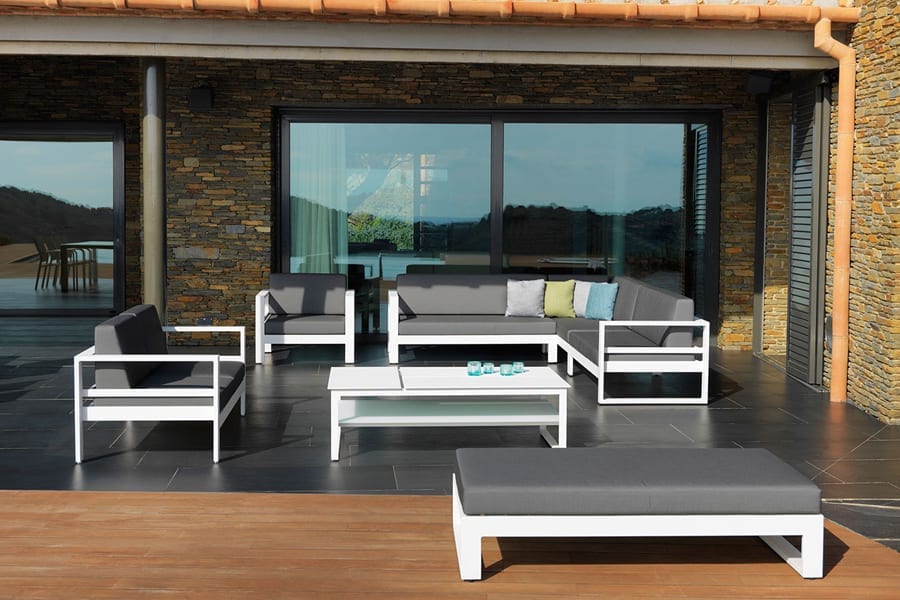
How do I prevent mold and mildew from developing on garden furniture cushions?
Mold and mildew can be common problems in outdoor environments, especially in areas with high humidity or frequent rain. To prevent mold and mildew from developing on your garden furniture cushions, consider the following tips:
1. Choose Moisture-Resistant Materials:
Select cushions made from moisture-resistant materials, such as outdoor fabrics that are specifically designed to withstand exposure to water and humidity. Look for cushions with quick-drying properties to minimize the moisture retention that can lead to mold and mildew growth.
2. Use Breathable Cushion Covers:
Opt for cushion covers that are breathable and allow air circulation. Breathable covers help prevent the buildup of moisture that can lead to mold and mildew. Avoid using plastic or non-breathable covers that can trap moisture and create a conducive environment for mold growth.
3. Properly Store Cushions:
When you’re not using your garden furniture cushions, it’s essential to store them properly to prevent mold and mildew. Ensure the cushions are completely dry before storing them. If they are damp, mold can develop during storage. Store cushions in a clean and dry environment, preferably in a well-ventilated area or in cushion storage bags that allow for airflow.
4. Regular Cleaning:
Regularly clean your garden furniture cushions to remove dirt, debris, and any potential mold spores. Follow the manufacturer’s instructions for cleaning the cushions. In most cases, you can spot clean with a mild soap and water solution. Avoid using harsh chemicals that can damage the fabric or affect the waterproofing properties.
5. Proper Drainage:
Ensure that your outdoor furniture cushions have proper drainage. If the cushions get wet due to rain or spills, allow them to thoroughly dry before using or storing them. Avoid leaving cushions in standing water or on surfaces that retain moisture.
6. Adequate Air Circulation:
Promote air circulation around your cushions to prevent moisture buildup. Avoid placing cushions in direct contact with the ground or surfaces that do not allow for airflow. Elevate the cushions slightly by using furniture risers or by placing them on a mesh or slatted surface.
7. Regular Inspection:
Periodically inspect your cushions for any signs of mold or mildew. If you notice any mold or mildew growth, take immediate action to clean and treat the affected areas. Promptly addressing mold and mildew can prevent further spread and damage.
8. Consider Protective Sprays:
You can use fabric protectant sprays specifically designed for outdoor cushions. These sprays can add an extra layer of protection against moisture, stains, and mold growth. Follow the manufacturer’s instructions for application.
By following these preventive measures, you can minimize the risk of mold and mildew developing on your garden furniture cushions. Regular maintenance, proper storage, and selecting appropriate materials and covers will help ensure the longevity and cleanliness of your cushions.
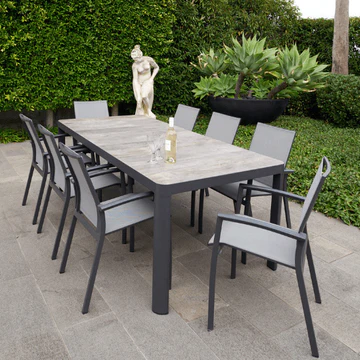
How do I revive old or worn-out garden furniture to extend its lifespan?
If you have old or worn-out garden furniture, there are several steps you can take to revive it and extend its lifespan. By giving your furniture some attention and care, you can restore its appearance, functionality, and durability. Here’s how you can revive old or worn-out garden furniture:
1. Clean the Furniture:
Start by thoroughly cleaning the furniture to remove dirt, grime, and any existing coatings. Use a mild detergent or a specialized cleaner suitable for the furniture material. Scrub the surfaces with a soft brush or sponge, and rinse with water. Cleaning the furniture will help reveal its true condition and prepare it for further restoration steps.
2. Repair Damaged Parts:
Inspect the furniture for any damaged or broken parts, such as loose joints, cracked wood, or rusted metal. Repair or replace these parts as necessary. Tighten screws, apply wood glue to loose joints, and use appropriate repair techniques for different materials. This step will help ensure the structural integrity of the furniture and prevent further damage.
3. Sand the Surfaces:
If the furniture has a worn or rough surface, sanding can help smooth it out and prepare it for refinishing. Use sandpaper with an appropriate grit for the furniture material. Sand in the direction of the wood grain or follow the manufacturer’s recommendations for other materials. Sanding will remove imperfections, old finishes, and provide a clean surface for the next steps.
4. Apply a Fresh Finish:
Consider applying a fresh finish to protect and enhance the appearance of the furniture. The type of finish will depend on the furniture material. For wooden furniture, options include varnish, paint, or stain. Metal furniture may require a rust-resistant primer and paint. Follow the manufacturer’s instructions and apply multiple coats for better durability.
5. Replace or Reupholster Cushions:
If your garden furniture has cushions that are worn-out or faded, consider replacing or reupholstering them. Look for outdoor-grade fabric that is resistant to UV rays and moisture. Measure the dimensions of the cushions and sew or have them professionally reupholstered. This will give your furniture a fresh and comfortable look.
6. Apply Protective Coatings:
To further extend the lifespan of your furniture, consider applying protective coatings. For wooden furniture, use a wood sealer or exterior-grade varnish to protect it from moisture and UV damage. Metal furniture can benefit from a clear coat or rust-resistant spray to prevent corrosion. These coatings will help maintain the appearance and integrity of the furniture.
7. Store Properly:
When not in use, store your garden furniture properly to protect it from harsh weather conditions. If possible, cover the furniture with a waterproof cover or move it to a covered area. Storing furniture indoors during the winter or extreme weather can significantly extend its lifespan.
8. Regular Maintenance:
Maintain your revived furniture by regularly cleaning it and performing minor repairs as needed. Keep an eye out for signs of wear or damage and address them promptly. By maintaining your furniture, you can ensure its longevity and enjoy it for years to come.
By following these steps, you can breathe new life into your old or worn-out garden furniture and extend its lifespan, saving both money and resources in the process.
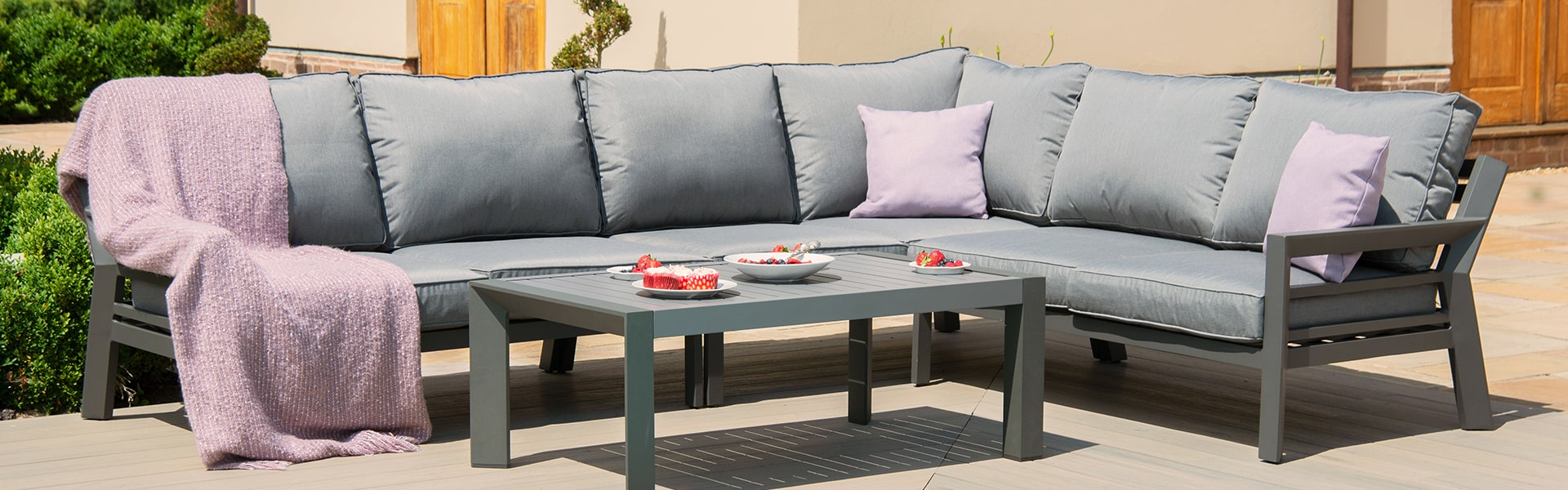
How do I clean and maintain my garden furniture to keep it looking new?
To keep your garden furniture looking new and well-maintained, regular cleaning and proper maintenance are essential. Here are some steps you can follow to clean and maintain your garden furniture:
1. Read the Manufacturer’s Instructions:
Before cleaning your garden furniture, refer to the manufacturer’s instructions and guidelines. Different materials and finishes may require specific cleaning methods or products. Adhering to the manufacturer’s recommendations ensures that you don’t accidentally damage the furniture.
2. Remove Debris:
Start by removing any loose dirt, leaves, or debris from your furniture. Use a soft brush or a cloth to gently sweep away the debris. Pay attention to crevices and corners where dirt may accumulate.
3. Clean with Mild Soap and Water:
For most types of garden furniture, a solution of mild soap and water is sufficient for cleaning. Mix a small amount of mild dish soap or a gentle outdoor furniture cleaner with water. Use a sponge or a soft cloth to clean the surfaces of the furniture, including the frames, tabletops, and seating areas. Rinse thoroughly with clean water afterward.
4. Address Stains Promptly:
If you notice any stains on your furniture, address them promptly. Blot liquid stains with a clean cloth and mild soap solution. For tougher stains, you may need to use a specialized cleaner recommended for the specific material of your furniture. Follow the instructions on the cleaner and test it on a small, inconspicuous area before applying it to the entire surface.
5. Treat Wooden Furniture:
If you have wooden garden furniture, additional care is required. Regularly inspect the wood for signs of cracking, peeling, or discoloration. If necessary, sand the surface lightly and apply a protective finish or outdoor furniture oil to maintain its appearance and protect it from moisture.
6. Maintain Metal Furniture:
Metal garden furniture may require occasional maintenance to prevent rust or corrosion. Check for any signs of rust and remove it using a wire brush or sandpaper. Apply a rust-resistant paint or a protective spray to any exposed metal surfaces.
7. Store or Cover:
When not in use, consider storing your garden furniture indoors or covering it with weatherproof furniture covers. This protects the furniture from the elements and extends its lifespan. Ensure that the furniture is clean and dry before covering or storing it to prevent the growth of mold or mildew.
8. Regularly Inspect and Repair:
Periodically inspect your garden furniture for any signs of wear, loose screws, or damaged parts. Tighten any loose screws or bolts and make necessary repairs promptly to prevent further damage.
By following these cleaning and maintenance practices, you can keep your garden furniture looking new and prolong its lifespan. Regular care and attention will help preserve its appearance and functionality for years to come.
editor by CX 2023-11-18